Aconitum, Genus, carmichaelii, Species,
- Genus & species
azure monkshood
Overview
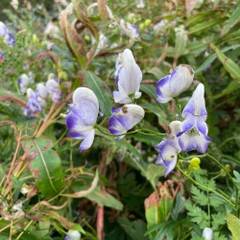
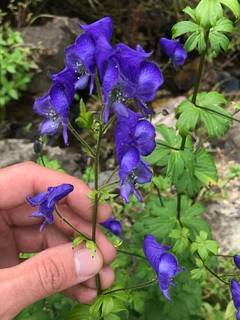
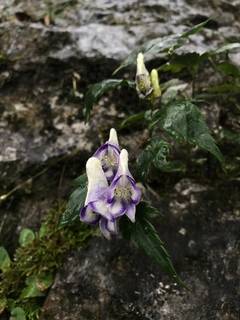
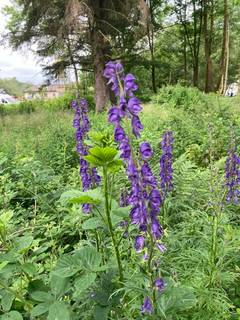
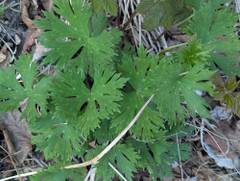
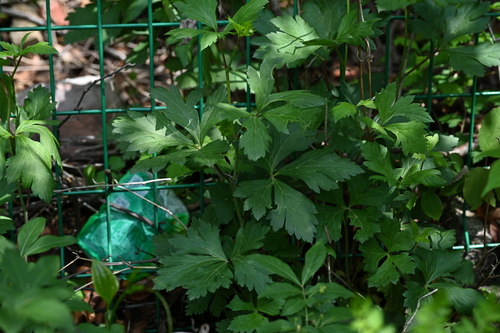
Aconitum carmichaelii is an upright herbaceous perennial reaching 3–5 feet (90–150 cm) tall with a spread of 18–24 inches (45–60 cm), forming an erect clump. It blooms September through October, 4–6 weeks later than A. napellus and the A. cammarum hybrids, extending the genus bloom sequence into fall. Leaves are three- to five-lobed, 4–7 inches (10–18 cm) wide, with broad lobes and coarsely toothed margins, dark green, thick, and leathery in texture — heavier than the foliage of A. napellus or its hybrids. Flowers are deep azure-blue with a hood (galea), produced on branched racemes 12–20 inches (30–50 cm) long; branched inflorescences distinguish this species from the unbranched racemes of most commonly cultivated Aconitum. Stems are erect and generally self-supporting in sheltered sites. The species tolerates summer temperatures to 85°F (29°C) with afternoon shade, extending use through zone 7 where A. napellus declines. All parts contain aconitine alkaloids and are lethal on ingestion to humans, pets, and livestock in small doses.
Native Range
Aconitum carmichaelii is native to central and eastern China, occurring in mountain meadows, moist forest margins, and stream-side habitats at elevations of 2,000–10,000 feet (600–3,000 m). The dried, processed root is used in traditional Chinese medicine; the unprocessed plant is lethal on ingestion.Suggested Uses
Planted in partially shaded to lightly sunny borders, woodland garden edges, and stream-side plantings at 18–24 inch (45–60 cm) spacing. The September–October bloom on branched stems covers a season when most perennials have finished flowering. Suited to zones 3–7 in consistently moist sites. Not suited to dry soils, hot-summer climates without afternoon shade, or gardens accessible to unsupervised children, pets, or grazing livestock.How to Identify
Appearance
Size & Dimensions
Height3' - 5'
Width/Spread1'6" - 2'
Colors
Bloom Information
Deep azure-blue hooded flowers appear on branched racemes 12–20 inches (30–50 cm) long from September through October, with a total bloom period of 5–7 weeks. Individual flowers are 1–1.5 inches (2.5–4 cm) long. Racemes open progressively from base to tip. Bloom extends 4–6 weeks later than A. napellus and the A. cammarum hybrids.
Detailed Descriptions
Foliage Description
dark green, thick and leatheryGrowing Conditions
Sun Requirements
Requires 2-6 hours of direct sunlight daily
• Full Sun: 6+ hours of direct sunlight
• Partial Shade: 3-6 hours of direct sunlight
• Full Shade: Less than 3 hours of direct sunlight
Care & Maintenance
Care Guide
Plant in moist, well-drained, humus-rich soil with a pH of 5.5–7.0 in partial shade to full sun where summers are moderate. Afternoon shade reduces heat stress where temperatures exceed 80°F (27°C). The plant does not tolerate dry soil; water weekly during dry periods throughout the growing season and mulch to retain soil moisture. Performs in zones 3–7, tolerating summer temperatures 5–10°F (3–6°C) higher than A. napellus before declining. Clumps are divided every 4–5 years in early spring. All parts contain aconitine alkaloids and are lethal on ingestion in small doses.Pruning
Stems are cut to the ground in late fall (October–November) after frost. Spent racemes can be removed after bloom. Division is carried out in early spring (March) before significant foliage emergence. Cut stems release sap containing aconitine alkaloids that can be absorbed through skin abrasions.Pruning Schedule
Prune: March & October–November
fallearly spring