Aconitum, Genus, columbianum, Species,
- Genus & species
columbian monkshood
Western North America from British Columbia and Alberta south through the Rocky Mountains and Cascades to New Mexico and Arizona; moist mountain meadows, stream margins, seeps, and open woodland edges at 4,000-11,000 feet (1,200-3,350 m)
Overview
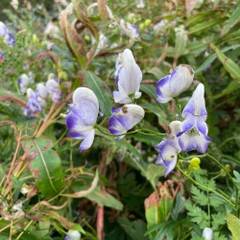
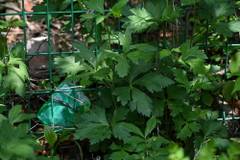
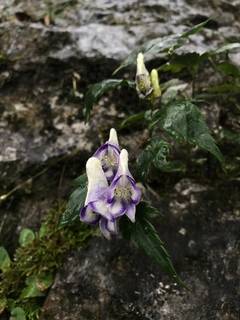
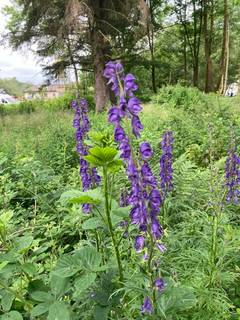
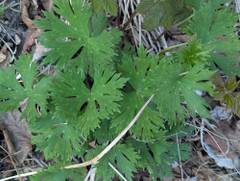
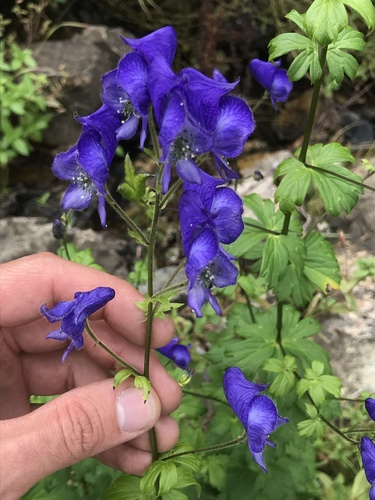
Aconitum columbianum is an upright herbaceous perennial in the family Ranunculaceae native to western North America, reaching 2-6 feet (60-180 cm) tall with a spread of 18-30 inches (45-75 cm); height varies considerably with site moisture, elevation, and light. Stems are erect and branched in the upper portion, forming an open clump. Leaves are palmately divided, 3-6 inches (7.5-15 cm) wide, with five to seven deeply lobed and sharply serrated segments, medium to dark green. From June through August the plant bears branched racemes of hooded flowers 0.75-1.25 inches (2-3 cm) long in blue to blue-violet, occasionally white or cream; the characteristic arched upper sepal (galea) gives the genus its common name monkshood. This is the primary native Aconitum species of western North America. All parts of Aconitum columbianum contain aconitine alkaloids and are severely toxic to humans, pets, and livestock if ingested; skin contact with cut stems or crushed foliage can cause numbness and tingling in sensitive individuals because aconitine is absorbed through intact skin. The plant declines rapidly in soils that dry out during active growth.
Native Range
Aconitum columbianum is native to western North America, ranging from British Columbia and Alberta south through the Rocky Mountains and Cascades to New Mexico and Arizona. It occurs in moist mountain meadows, stream margins, seeps, and open woodland edges at 4,000-11,000 feet (1,200-3,350 m) elevation in sites with consistent soil moisture from snowmelt or groundwater.Suggested Uses
Planted in naturalized gardens, native plant borders, and moist woodland or meadow edges at 18-24 inch (45-60 cm) spacing, particularly in western North American landscapes where it occurs as a native. The blue-to-blue-violet flowers from June through August and the western-native range suit habitat and pollinator plantings in the Pacific Northwest and Rocky Mountain regions. Combined with Mimulus lewisii, Veratrum californicum, and Senecio triangularis in native moist-meadow plantings. Not suited to dry soils, hot-summer climates, small gardens frequented by unsupervised children, or pasture settings with grazing livestock because all parts are severely toxic if ingested.How to Identify
Appearance
Size & Dimensions
Height2' - 6'
Width/Spread1'6" - 2'6"
Bloom Information
Hooded blue to blue-violet flowers 0.75-1.25 inches (2-3 cm) long are borne on branched racemes from June through August, with bloom time varying by elevation — populations at lower elevations flower in June and July, and high-elevation populations flower in July and August. Racemes open progressively from the base toward the tip. Bloom duration averages 8 weeks on an individual plant. Pollinated primarily by bumblebees with tongues long enough to reach the nectar within the hood.
Detailed Descriptions
Flower Description
blue to blue-violet, occasionally white or cream; hooded form (galea) 0.75-1.25 inches (2-3 cm) long; borne on branched racemesFoliage Description
medium to dark green; palmately divided 3-6 inches (7.5-15 cm) wide with 5-7 deeply lobed and sharply serrated segmentsGrowing Conditions
Sun Requirements
Requires 3-8 hours of direct sunlight daily
• Full Sun: 6+ hours of direct sunlight
• Partial Shade: 3-6 hours of direct sunlight
• Full Shade: Less than 3 hours of direct sunlight
Care & Maintenance
Care Guide
Plant in consistently moist, humus-rich soil with a pH of 5.5-7.0 in part shade to full sun in cool-summer climates; tolerated soil types include loam and clay. Water weekly through dry periods — A. columbianum requires steady soil moisture and declines rapidly if the soil dries out during active growth. Afternoon shade is needed where summer temperatures exceed 75°F (24°C) because foliage scorches in hot direct sun. Zone-3 to zone-7 cool moist conditions approximate its native subalpine habitat. All parts contain aconitine alkaloids and are severely toxic to humans, pets, and livestock if ingested; skin contact with cut stems or crushed foliage can cause numbness in sensitive individuals. Division is seldom needed; established plants persist 5-8 years without division in adequate conditions.Pruning
Stems are cut to the ground in late fall (October-November) after frost kills the top growth. Spent racemes can be removed after bloom where seed set is unwanted. Division is infrequent; established clumps persist 5-8 years without division in adequate conditions. All parts contain aconitine alkaloids, and gardeners with sensitive skin commonly experience numbness from contact with cut stems.Pruning Schedule
Prune: October–November
fall