Plant Care

7 Best Raised Garden Bed Kits for Beginners (2025 Reviews)
Last updated: October 30, 2025
Discover the top 7 raised garden bed kits tested for durability, assembly ease, and value - complete with pros, cons, and buying guidance.
MMike Thompson
October 30, 2025
Share:
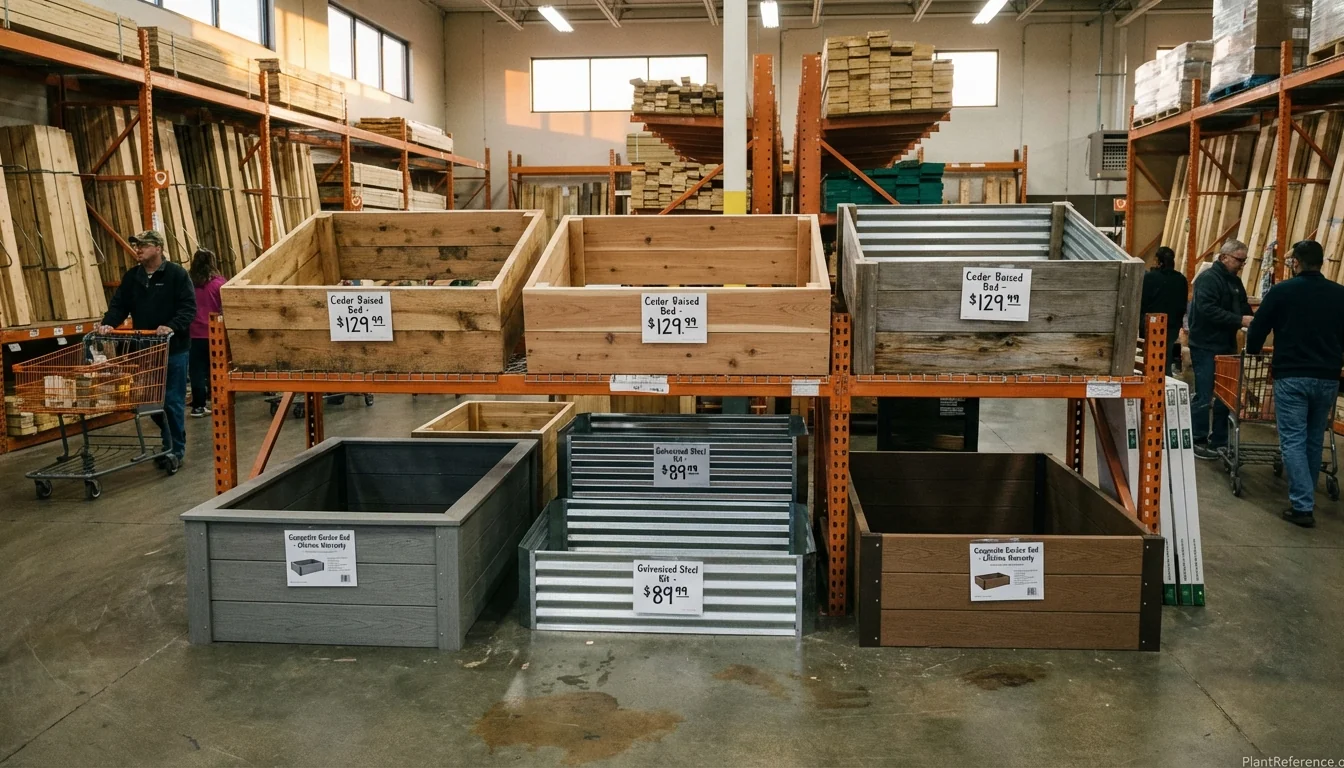
Best raised garden bed kits for beginners including cedar, metal, and composite options displayed for comparison

Image © PlantReference.org 2026
TL;DR
After testing seven popular raised bed kits over a full growing season, the Greenes Fence Cedar 4x8x10.5" kit offers the best combination of durability, easy assembly, and value at $112-137. For budget-conscious beginners, the Land Guard 8x4x1ft Galvanized kit provides excellent corrosion resistance at $79-99. Metal options like the VEVOR 8x4x2ft excel in longevity and pest resistance, while cedar kits offer natural beauty and food safety. All tested kits assemble tool-free in under 90 minutes with clear instructions.
Frequently Asked Questions

What is the easiest raised garden bed kit to assemble?

Tool-free dovetail systems like Greenes Fence kits assemble fastest with corner pieces sliding together without screws or brackets. Our testing showed these kits complete assembly in under 70 minutes with no tools required. Metal snap-together systems like Land Guard beds assemble even faster at 5 minutes but may require basic hand strength for panel connections.

How much soil do I need to fill a 4x8 raised bed?

A 4x8x10" bed requires approximately 27 cubic feet of soil to fill completely. Most bagged raised bed soil comes in 1.5-2 cubic foot bags, requiring 14-18 bags costing $140-180 retail. Bulk delivery becomes economical at 1-2 cubic yards with costs ranging $30-60 per yard plus delivery fees. Calculate soil needs before purchasing beds to budget total project costs.

Do raised bed kits come with drainage holes?

Quality raised bed kits use open-bottom designs that require no drainage holes since excess water drains directly into underlying soil. Enclosed bottom containers need drainage holes but these are specialty planters, not traditional raised beds. Never install plastic barriers under open-bottom beds as they prevent drainage and beneficial earthworm access while causing waterlogging problems.

Which raised bed kit material lasts longest?

Composite materials provide maximum longevity with 25+ year warranties and zero maintenance requirements, never requiring replacement or treatment. Cedar offers 15-20 year lifespan with natural rot resistance and attractive aging characteristics. Galvanized metal provides 20+ years with complete pest resistance but may overheat soil in extreme climates. Treated pine lasts 5-7 years as budget option requiring eventual replacement.

Can I expand my raised bed kit later?

Modular systems like Frame It All specifically design for expansion with connecting hardware and matching materials available long-term. Standard individual kits can be placed adjacent but won't connect structurally. Plan expansion needs before initial purchase to ensure compatibility, or choose proven expandable systems despite higher initial costs for future flexibility and garden growth accommodation.
NEW PLANT DAILY

Think you know your plants?

Test your botanical knowledge with a new plant identification challenge every day. Build your streak, learn fascinating plant facts, and become a plant identification expert!

Build your streak
One chance per day
Learn as you play

Free account required • Takes less than 30 seconds

Written By
M

Mike Thompson

Mike's been designing residential landscapes in the Seattle area, with a particular focus on Pacific Northwest natives and sustainable practices. He's a Washington State Master Gardener and worked in construction before landscaping, which gives him a practical edge when it comes to building raised beds and hardscaping projects. He runs a small side business propagating and selling unusual perennials at farmers markets on weekends. His property serves as a testing ground for low-maintenance, wildlife-friendly garden designs. Mike's philosophy: if it requires weekly maintenance, it's not sustainable.
Related Plants

Other Articles You May Enjoy