Zingiber, Genus, zerumbet, Species,
- Genus & species
Shampoo ginger
Overview
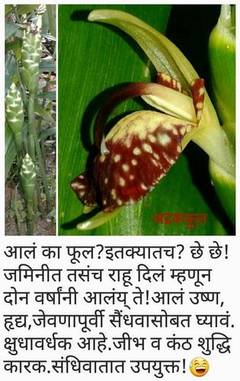
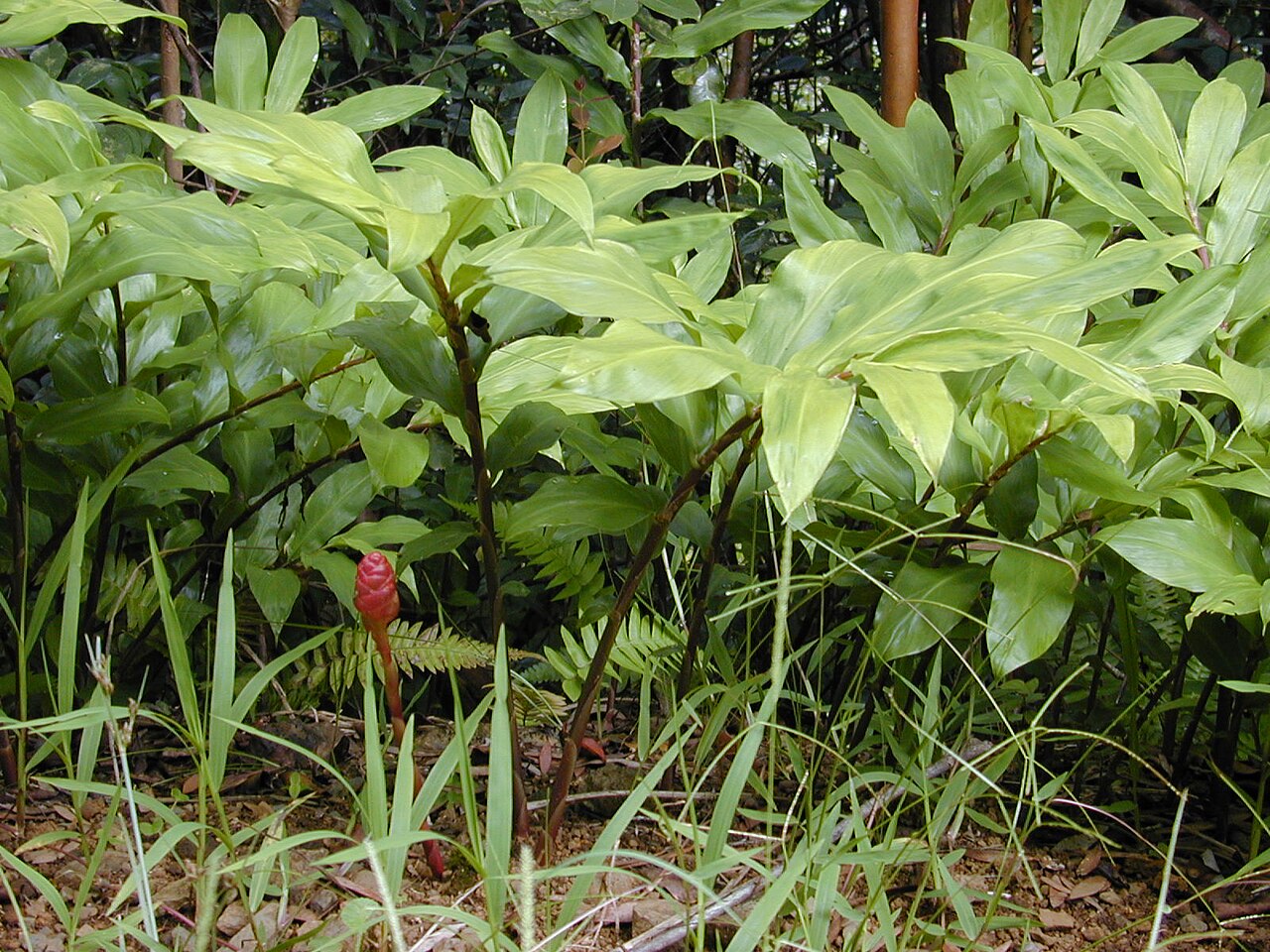
Zingiber zerumbet is a deciduous rhizomatous perennial with leafy stems 3-6 feet (1-2 m) tall forming clumps 2-4 feet (0.6-1.2 m) across. Leaves are lanceolate, 8-12 inches (20-30 cm) long, stalkless, and set in two ranks along the stem. The inflorescence rises on its own short stalk 6-12 inches (15-30 cm) tall directly from the rhizome, separate from the leafy shoots, and forms a cone of overlapping bracts 2-4 inches (5-10 cm) long. The cone opens green and ripens to scarlet across 4-6 weeks, filling with a clear slimy mucilage that is squeezed out and used as a hair rinse. Small pale yellow-white flowers push out between the bracts a few at a time. Top growth yellows and dies back in the cool or dry season, and the clump regrows from the rhizome the following spring. Rhizomes are aromatic and contain zerumbone. The species spreads by rhizome and by cones that root where they fall, and it forms dense stands in Hawaiian mesic forest, where it is managed as a weed in conservation areas.
Native Range
Zingiber zerumbet is native to India and Southeast Asia, with a natural range extending from the Western Ghats through Indochina to Malesia in moist forest understorey below 4,000 feet (1,200 m). Polynesian voyagers carried rhizomes across the Pacific, and the plant has been present in Hawaii since before European contact. It is now naturalized through the humid tropics and subtropics, including Fiji, Hawaii, and parts of the southern United States.Suggested Uses
Grown in shaded borders, woodland gardens, and container plantings at spacings of 2-3 feet (0.6-0.9 m), and under glass in cooler climates. Cones are cut for arrangements at the green-to-red stage and hold 7-10 days in water. The mucilage from ripe cones is used as a hair and scalp rinse, and the rhizome is used as a flavouring and in traditional Hawaiian and Southeast Asian medicine.How to Identify
Appearance
Size & Dimensions
Height3' - 6'
Width/Spread2' - 4'
Bloom Information
Cones emerge from June through October, several weeks after the leafy shoots reach full height. Each cone holds on the plant for 8-12 weeks, turning from green to scarlet as it matures, and a clump produces 5-20 cones a season. The small yellow-white true flowers open two or three at a time and last a single day. Cones fall in late autumn and root where they land in moist litter.
Detailed Descriptions
Flower Description
Pale yellow-white flowers emerging from green-to-scarlet bractsFoliage Description
Mid greenGrowing Conditions
Sun Requirements
Requires 2-6 hours of direct sunlight daily
• Full Sun: 6+ hours of direct sunlight
• Partial Shade: 3-6 hours of direct sunlight
• Full Shade: Less than 3 hours of direct sunlight
Care & Maintenance
Care Guide
Zingiber zerumbet grows in dappled to half shade with 2-6 hours of filtered sun, in humus-rich loam or silt at pH 5.5-7.0 held evenly moist through the growing season. It takes 50-100 inches (1,250-2,500 mm) of annual rainfall or the irrigation equivalent while in leaf, and watering is cut back sharply once the foliage yellows in autumn, since wet dormant rhizomes rot. Rhizomes survive to USDA zone 8 under 4-6 inches (10-15 cm) of mulch, while top growth is destroyed by the first frost. A balanced fertilizer at 2-3 ounces (55-85 g) per clump in spring and again at midsummer sustains the season growth. Full sun scorches the leaf margins in hot dry climates. Root-knot nematode and Pythium rhizome rot are the recurring problems in wet, poorly drained soil.Pruning
Dead stems and spent cones are cut to ground level after the foliage yellows, between November and January in subtropical gardens. Cutting green stems mid-season lowers the following year rhizome reserves and cone count. Clumps are divided every 3-4 years at the end of dormancy, splitting the rhizome into sections carrying 2-3 growth buds. Rhizomes running beyond the clump edge are severed with a spade to hold the spread.Pruning Schedule
Prune: November–January
fallwinter
Container Growing
Suitable for container growing
Minimum container size: 10 gallons