Zingiber, Genus, mioga, Species,
- Genus & species
Myoga ginger
Overview
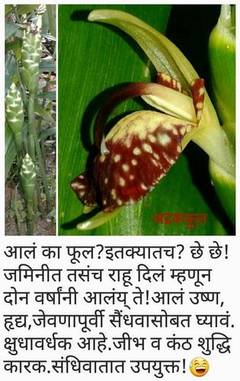
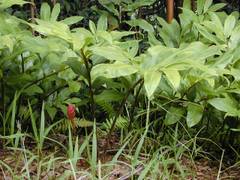
Zingiber mioga is a rhizomatous herbaceous perennial in the ginger family (Zingiberaceae) that forms upright, cane-like pseudostems 24–36 inches (60–90 cm) tall. Each pseudostem carries 8–12 lance-shaped leaves, 8–12 inches (20–30 cm) long and 1.5–2.5 inches (4–6 cm) wide, arranged in two ranks and medium green above and paler beneath. Flower spikes arise separately from the rhizome at ground level, 1–3 inches (2.5–7.5 cm) long, enclosed in overlapping pale green to pinkish bracts. Pale yellow three-lobed flowers, about 2 inches (5 cm) across, emerge from between the bracts and last a single day. The spreading rhizomes extend 6–12 inches (15–30 cm) per year, producing colonies 24–36 inches (60–90 cm) wide. Foliage turns yellow after the first frost and dies to the ground in winter. Plants are hardy in USDA zones 6–9 and do not tolerate prolonged soil drying, which causes leaf-edge browning. Unlike tropical Z. officinale, the species does not produce culinary rhizomes and is grown for its flower buds and young shoots, which are eaten in Japanese cooking.
Native Range
Zingiber mioga is native to Japan and is also reported from Korea and eastern China. It grows in moist, shaded woodland and along stream margins at low to mid elevations. It has been cultivated in Japan for more than a thousand years.Suggested Uses
Used in shaded woodland gardens and along north-facing walls, spaced 18–24 inches (45–60 cm) apart, where soil stays moist. Flower buds and young shoots are used raw as a garnish and in tempura, soups, and pickles in Japanese cuisine. Also grown in containers 12–16 inches (30–40 cm) wide.How to Identify
Appearance
Size & Dimensions
Height2' - 3'
Width/Spread2' - 3'
Bloom Information
Detailed Descriptions
Foliage Description
Medium greenGrowing Conditions
Sun Requirements
Requires 2-4 hours of direct sunlight daily
• Full Sun: 6+ hours of direct sunlight
• Partial Shade: 3-6 hours of direct sunlight
• Full Shade: Less than 3 hours of direct sunlight
Care & Maintenance
Care Guide
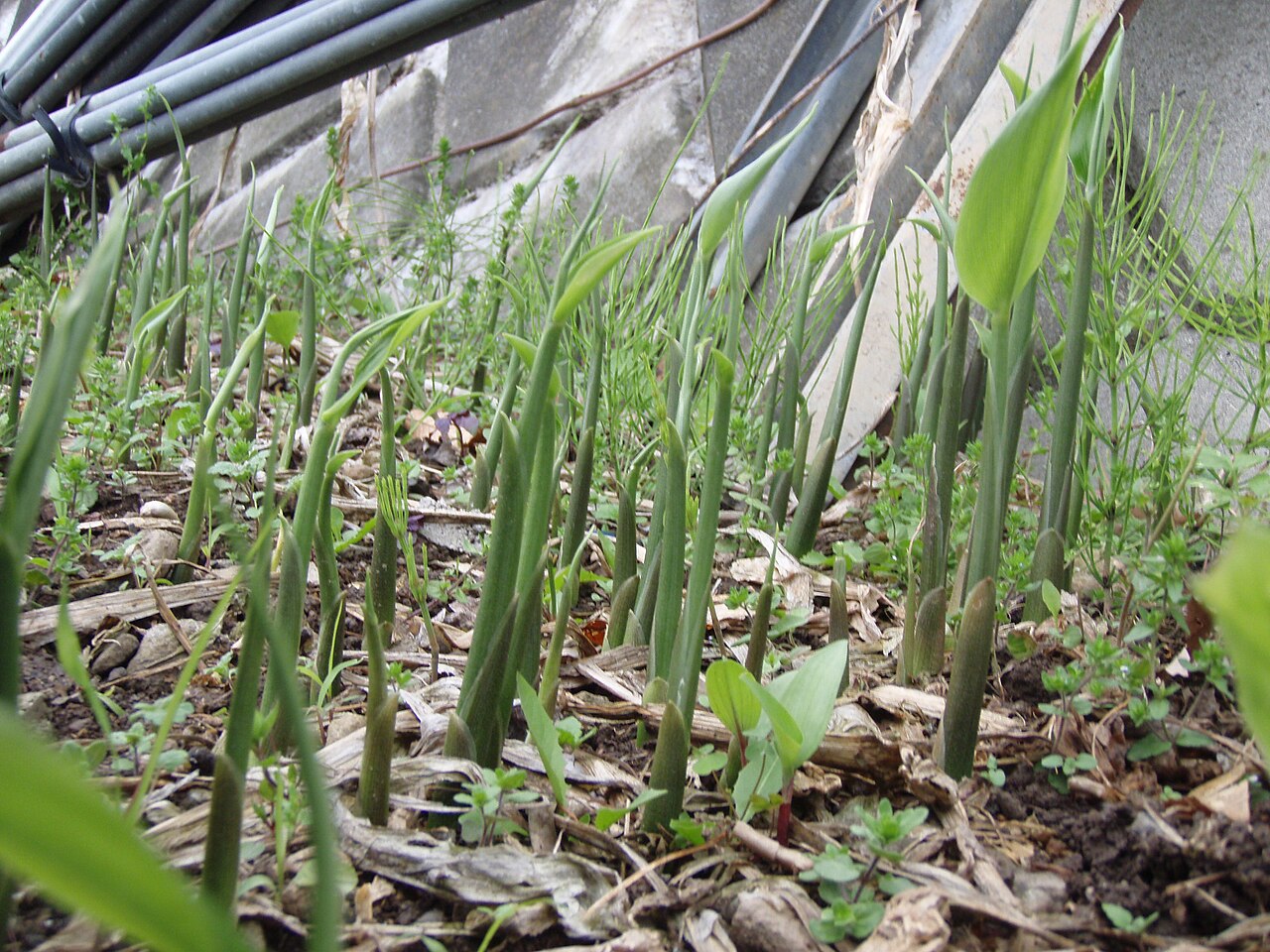
Plants grow in part shade to full shade in humus-rich, consistently moist loam with a pH of 5.5–7.0. Soil receives 1–1.5 inches (25–38 mm) of water per week during the growing season, and drying beyond the top 2 inches (5 cm) browns leaf margins. Hardiness covers USDA zones 6–9, and a 2–3 inch (5–7.5 cm) mulch layer over the rhizomes limits winter cold damage in zone 6. Rhizomes spread outward by 6–12 inches (15–30 cm) per year and are divided in spring every 3–5 years. Flower buds are harvested at the soil surface before the bracts open, and removing them reduces the number of flowers produced. Slugs feed on young shoots in spring.Pruning
Dead pseudostems are cut to the ground after the first hard frost or in early spring before new shoots emerge. No summer pruning is needed. Spreading shoots at the edge of the colony are removed with a spade to limit the clump to a chosen width.Pruning Schedule
Prune: March & November
fallearly spring
Container Growing
Suitable for container growing
Minimum container size: 5 gallons