Zingiber, Genus, spp., Multiple species,
- Genus
- Multiple species
Overview
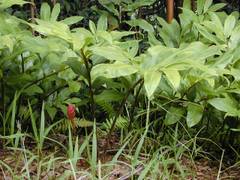
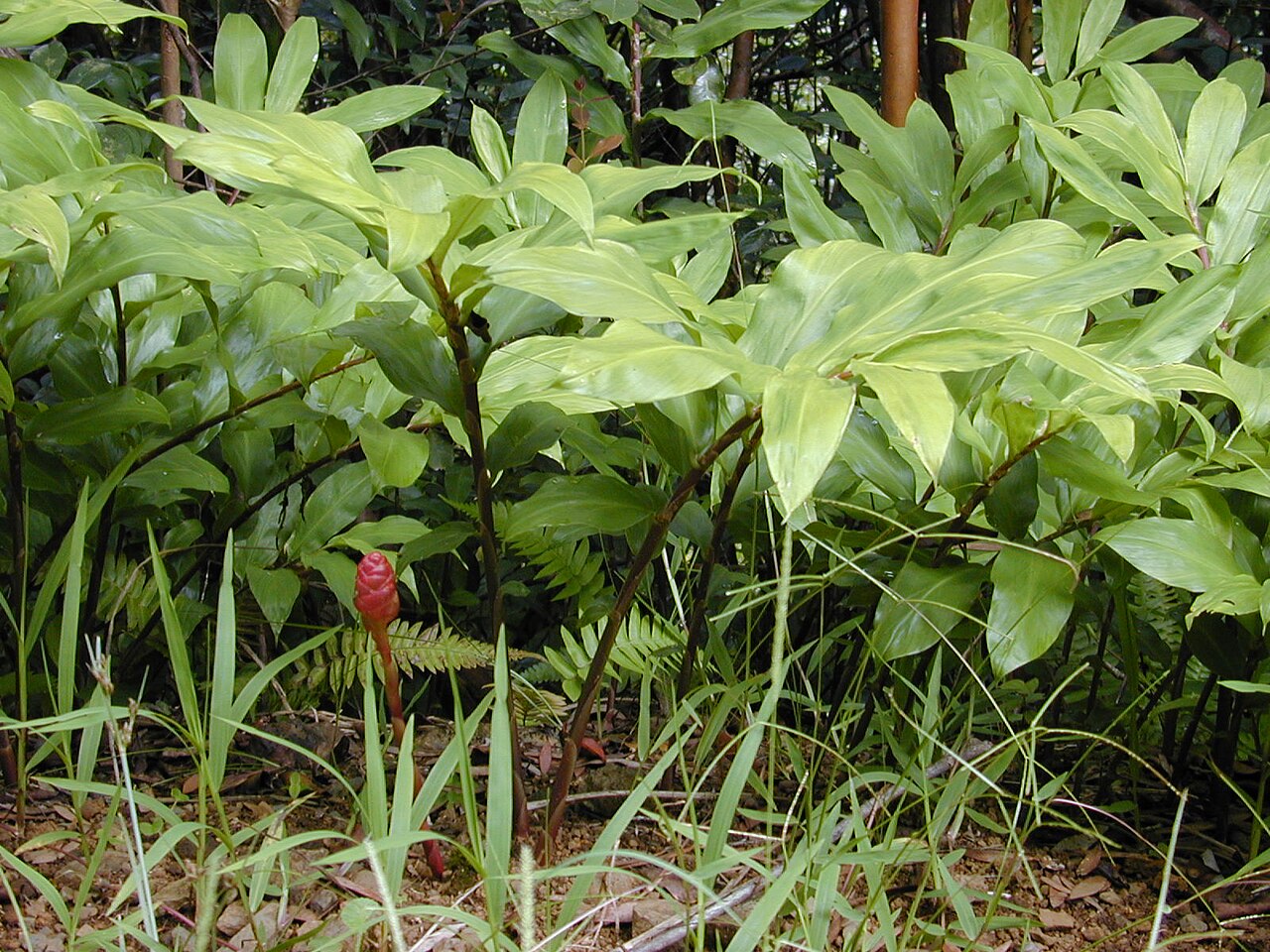
Zingiber is a genus of roughly 100 to 150 rhizomatous perennials in the ginger family, native to tropical and subtropical Asia and the western Pacific. It includes culinary ginger, Z. officinale, and ornamental species such as the shampoo ginger, Z. zerumbet. Plants grow from branching aromatic rhizomes that send up leafy pseudostems, formed of rolled leaf sheaths, 2 to 6 ft (0.6 to 1.8 m) tall, bearing two-ranked lance-shaped leaves. The flowers are clustered in dense, cone-like spikes of overlapping bracts that arise either directly from the rhizome on a separate short stalk or at the tip of a leafy stem, depending on the species; the true flowers are small, yellowish to white, and often short-lived, while the colored bracts last far longer. Zingiber needs warmth, steady moisture, and humidity, and the foliage dies back in cool or dry conditions. Most species are frost-tender and are grown outdoors only in frost-free climates or lifted and stored over winter, which is the main limitation for gardeners in temperate regions.
Native Range
Zingiber is native to tropical and subtropical Asia, from India and southern China through Southeast Asia to New Guinea and northern Australia. The plants grow in warm, humid forest understory and clearings on moist, humus-rich soils. Culinary ginger, Z. officinale, is known only in cultivation and is grown throughout the wet tropics.Suggested Uses
Zingiber is grown for edible and aromatic rhizomes, as a foliage and cut-flower plant in tropical gardens, and as a container or greenhouse plant in cooler regions. The bold leaves and cone-like flower spikes suit shaded, sheltered borders and poolside plantings in warm climates. Frost sensitivity and the need for warmth and moisture limit outdoor use to frost-free areas.How to Identify
Appearance
Size & Dimensions
Height2' - 6'
Width/Spread2' - 4'
Bloom Information
Flowering occurs mainly in summer and autumn, roughly July to October, though timing depends on warmth and the species. Small flowers emerge a few at a time from the cone-like spikes, each lasting only a day or two, while the surrounding bracts hold their color for weeks. Some species, including Z. officinale, flower only sporadically in cultivation.
Detailed Descriptions
Flower Description
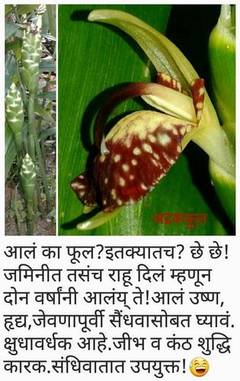
Yellow-green to white, with red or pink bractsFoliage Description
GreenGrowing Conditions
Sun Requirements
Requires 2-6 hours of direct sunlight daily
• Full Sun: 6+ hours of direct sunlight
• Partial Shade: 3-6 hours of direct sunlight
• Full Shade: Less than 3 hours of direct sunlight
Care & Maintenance
Care Guide
Zingiber grows in part shade with shelter from hot afternoon sun, on moist, humus-rich, slightly acidic soil with a pH near 5.5 to 6.5. Plants need steady moisture and high humidity during active growth and are fed regularly through the warm season. In cool or dry spells the foliage yellows and dies back to the rhizome, which is kept barely moist while dormant. Most species are frost-tender, hardy outdoors only in zones 8 to 11, and elsewhere the rhizomes are lifted and overwintered under cover. Division of the rhizome in spring is the usual means of propagation.Pruning
Pruning is limited to cutting back yellowed pseudostems once they die down at the end of the growing season. Spent flower spikes are removed as they fade. Crowded clumps are lifted and divided in spring to renew vigor and control spread.Container Growing
Suitable for container growing
Minimum container size: 5 gallons