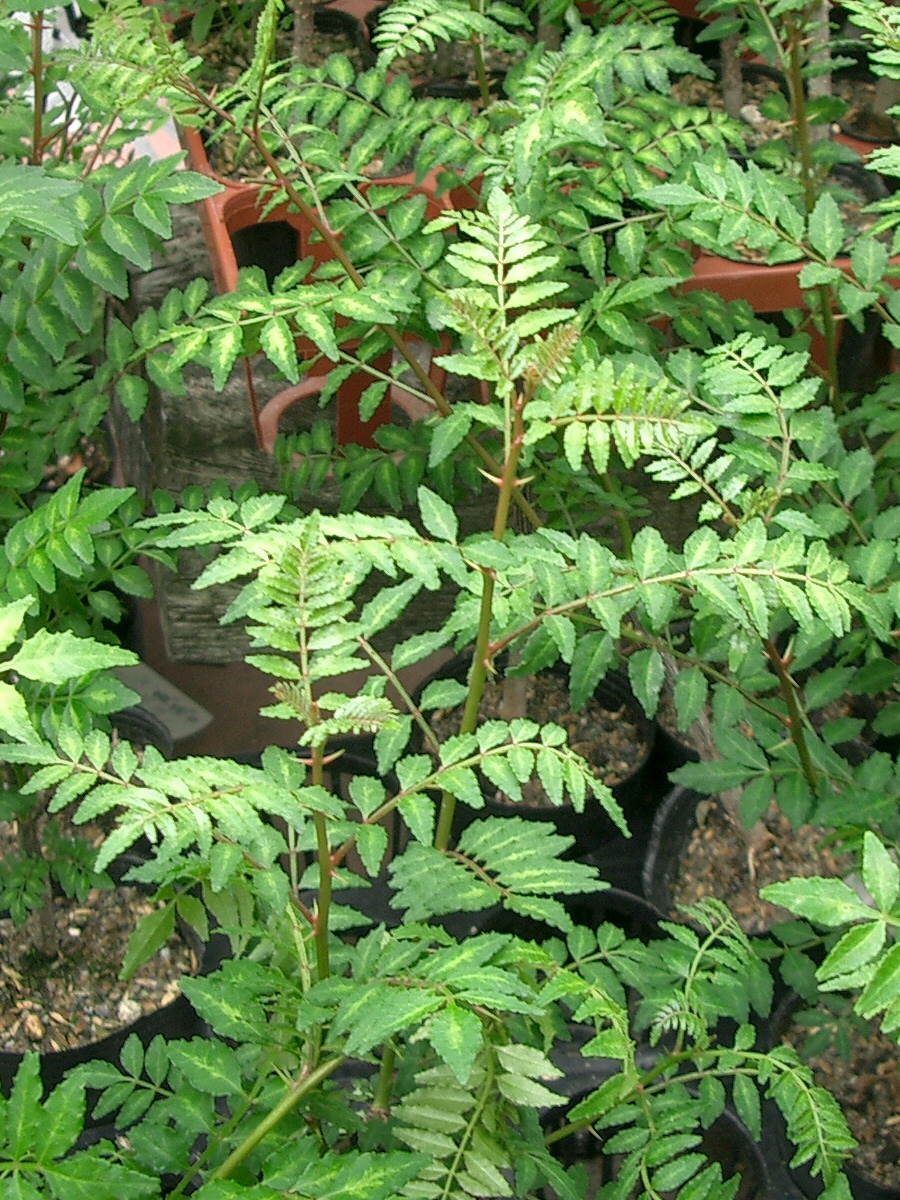
Zanthoxylum, Genus, piperitum, Species,
- Genus & species
Japanese pepper
Overview
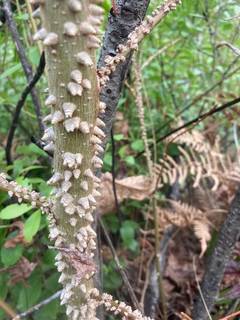
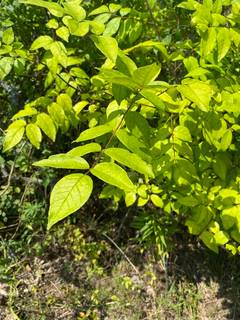
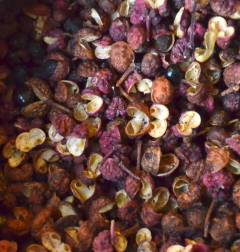
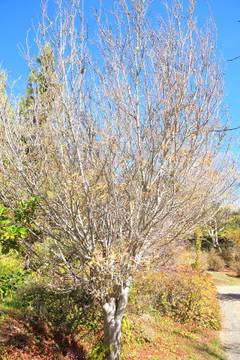
Zanthoxylum piperitum is a deciduous shrub or small tree reaching 6-15 feet (1.8-4.5 m) tall and 6-12 feet (1.8-3.7 m) wide, with an upright frame and stiff spreading branches. Paired straight spines 0.2-0.6 inch (5-15 mm) long sit at the base of each leaf; spineless forms occur in cultivation. Leaves are pinnate, 3-6 inches (8-15 cm) long, with 11 to 19 leaflets each 0.6-1.5 inches (1.5-4 cm) long, crenate along the margin with a translucent oil gland set in each notch, releasing a citrus and pepper scent when crushed. Plants are dioecious: yellow-green flowers about 0.1 inch (3 mm) across open in small terminal clusters during April and May on separate male and female plants. Female plants carry reddish follicles 0.2 inch (5 mm) across that split in September and October to expose a glossy black seed, and the dried husk is the spice used in Japanese cooking. Foliage turns yellow in October and November before falling. Growth runs 6-12 inches (15-30 cm) per year and plants take 4-6 years to fruit. Roots are brittle and concentrated in the top 12 inches (30 cm) of soil, and plants moved after their third year establish poorly or die.
Native Range
Zanthoxylum piperitum grows in mountain woodland, forest margins, and rocky slopes across Japan from Hokkaido to Kyushu, on the Korean Peninsula, and in parts of eastern China at 300-3,300 feet (90-1,000 m) elevation. It occupies free-draining slopes in light shade under deciduous canopy, often on soils derived from limestone. Selections have been grown in Japanese gardens for more than a thousand years.Suggested Uses
Grown in kitchen gardens and mixed shrub borders at 6-10 foot (1.8-3 m) spacing, and as a low informal hedge in Japan at 3-4 foot (0.9-1.2 m) spacing. Container culture uses pots of 10 gallons (38 L) or larger, where plants hold at 3-5 feet (0.9-1.5 m) and need repotting every 3-4 years despite root sensitivity. Spines at the leaf bases limit placement beside paths and seating, and the species is trained as a bonsai subject in Japan.How to Identify
Appearance
Size & Dimensions
Height6' - 15'
Width/Spread6' - 12'
Bloom Information
Flowers open across April and May, before or with leaf expansion, and last 10-14 days on a plant. Male and female flowers occur on separate plants, so fruit requires both sexes within about 100 feet (30 m). Flowers are yellow-green and 0.1 inch (3 mm) across, carried in clusters of 10 to 30. Fruit sets within 3-4 weeks of bloom and colours red by September.
Detailed Descriptions
Foliage Description
green, turning yellow in autumnGrowing Conditions
Sun Requirements
Requires 4-8 hours of direct sunlight daily
• Full Sun: 6+ hours of direct sunlight
• Partial Shade: 3-6 hours of direct sunlight
• Full Shade: Less than 3 hours of direct sunlight
Care & Maintenance
Care Guide
Plants establish over 2-3 years with 1 inch (25 mm) of water weekly through dry spells, after which they tolerate 2-3 weeks without rain but shed interior leaves in prolonged drought. Roots are brittle and shallow, and transplanting after the third year commonly kills the plant. Soil that holds water for more than a few hours after rain causes root rot, so plants are set on slopes and raised beds in wet-winter regions. Feeding is limited to a single spring application of a balanced fertiliser at 2 ounces per square yard (70 g per square metre), as high nitrogen produces soft growth that dies back over winter. Swallowtail caterpillars of Papilio xuthus strip foliage in June and July, and root nematodes build up where the plant follows citrus in the same ground. Plants live 15-25 years in cultivation and decline from the top down after that.Pruning
Pruning is carried out in February and March while the plant is dormant and before buds swell. Cuts are limited to dead wood, crossing branches, and stems older than 8 years, since fruit forms on short spurs on two to four year old wood and heavy renewal cuts remove several seasons of production. Suckers rise from the root plate 12-24 inches (30-60 cm) from the trunk and are severed below soil level. Young shoots harvested for kinome in April are cut at the branch tip, which produces two to three replacement shoots by June.Pruning Schedule
Prune: February–March
winterearly spring
Container Growing
Suitable for container growing
Minimum container size: 10 gallons