Zanthoxylum, Genus, clava-herculis, Species,
- Genus & species
Hercules' club
Overview
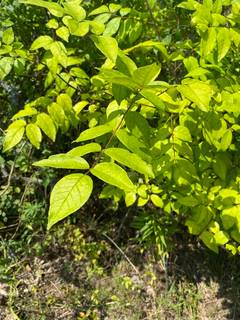
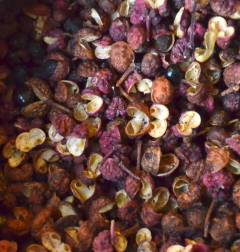
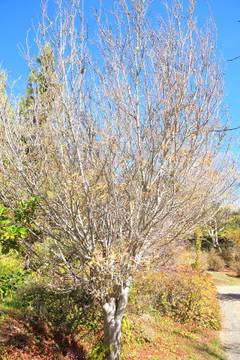
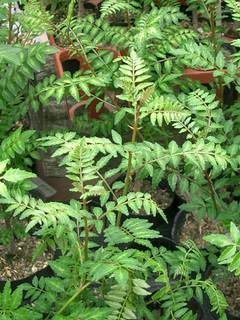
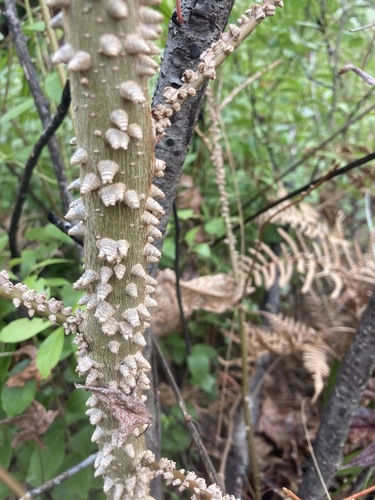
Zanthoxylum clava-herculis is a deciduous tree or large shrub in the citrus family reaching 10-30 ft (3-9 m) tall, occasionally to 50 ft (15 m), with a trunk 6-12 in (15-30 cm) in diameter. The bark carries scattered corky, pyramidal protuberances tipped with sharp spines, a trait that marks mature trunks. Branches and the leaf rachis bear curved prickles. Leaves are pinnately compound, 5-12 in (13-30 cm) long, with 7-19 glossy leaflets that release a citrus scent when crushed. Chewing the bark or leaves produces a tingling numbness on the tongue and lips, the source of the toothache-tree name. The species is dioecious, with separate male and female plants. Clusters of small greenish-white flowers appear in late spring, followed on female trees by brown to reddish capsules that split to reveal shiny black seeds. It grows in coastal plain woodlands, dune edges, and hammocks on sandy or limestone soils. The spines and prickles limit its use near paths and play areas. Foliage serves as a larval host for the giant swallowtail butterfly.
Native Range
Zanthoxylum clava-herculis is native to the southeastern United States, from southern Virginia south through Florida and west to eastern Texas and Oklahoma. It occurs naturally on the Atlantic and Gulf coastal plains.Suggested Uses
Planted as a specimen tree in coastal and native landscapes within its range, spaced 15-20 ft (4.5-6 m) from structures and walkways. Used in butterfly gardens as a larval host for the giant swallowtail. The spiny trunk also forms a barrier planting.How to Identify
Appearance
Size & Dimensions
Height10' - 30'
Width/Spread10' - 20'
Bloom Information
Small greenish-white flowers open in clusters at the branch tips from April to May. Individual flowers measure about 0.2 in (5 mm) across, with the sexes carried on separate trees. Female trees develop reddish-brown capsules through summer that split open in fall to expose black seeds.
Detailed Descriptions
Foliage Description
glossy dark greenGrowing Conditions
Sun Requirements
Requires 6-10 hours of direct sunlight daily
• Full Sun: 6+ hours of direct sunlight
• Partial Shade: 3-6 hours of direct sunlight
• Full Shade: Less than 3 hours of direct sunlight
Care & Maintenance
Care Guide
Grows in full sun to part shade on well-drained sandy or limestone soils. It tolerates salt spray, drought, and low-fertility soils once established, reflecting its coastal plain origins. Soil pH from 6.0 to 7.5 suits it. Water occasionally during the first two seasons to settle the root system, after which rainfall is generally sufficient. The species carries few serious pests, though scale insects occasionally colonize stems. The numerous spines and prickles make handling and maintenance slow work.Pruning
Prune in late winter while the tree is dormant to remove crossing or damaged branches. The curved prickles and trunk spines call for thick gloves and unhurried handling. Lower branches can be raised over several years to form a single-trunk tree.Pruning Schedule
Prune: February
winter