Zamioculcas, Genus, zamiifolia, Species, (variegated), Subspecies,
- Genus & species
- Subspecies
variegated ZZ plant
Overview
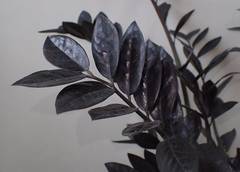
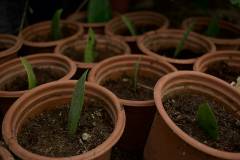
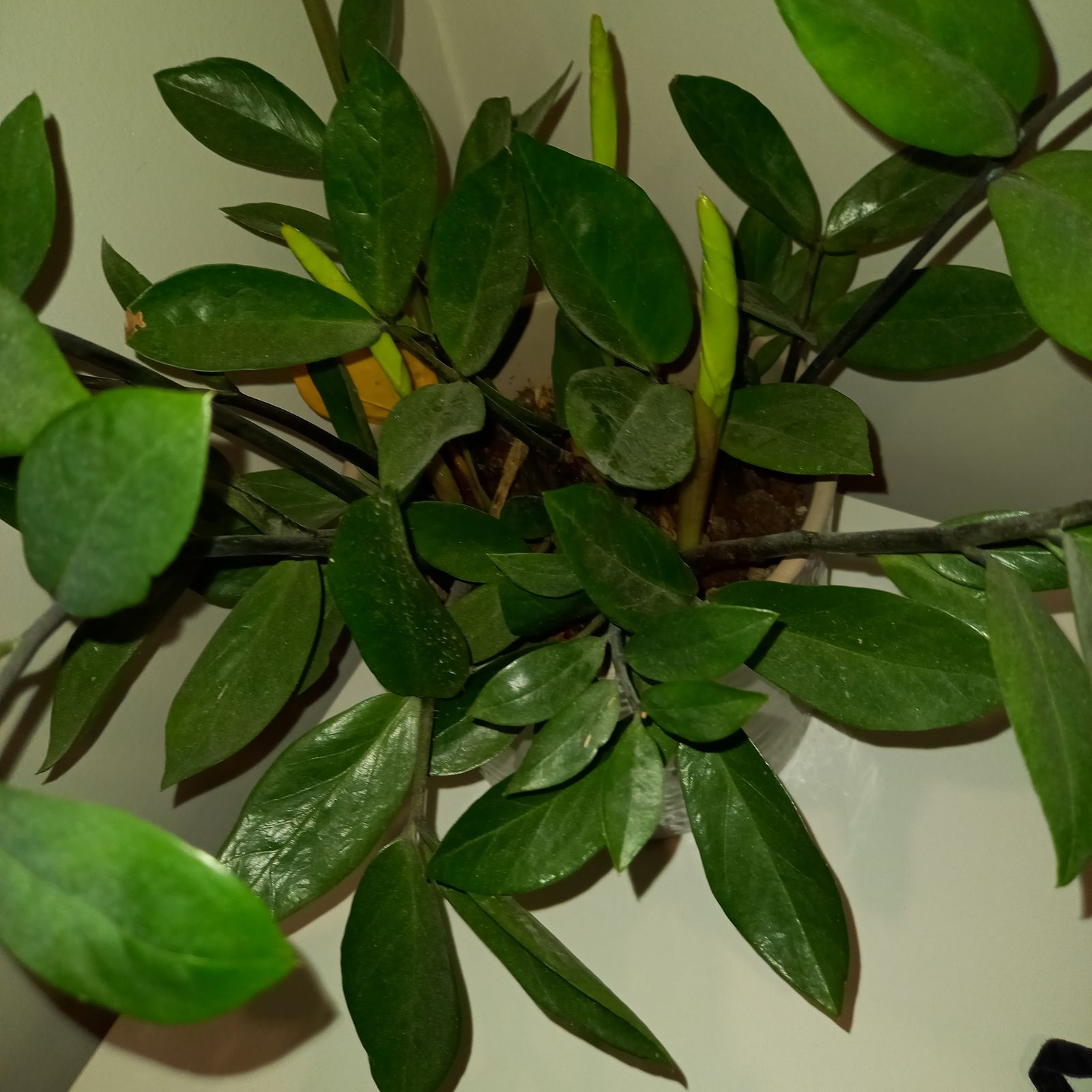
Zamioculcas zamiifolia (variegated) is an evergreen rhizomatous aroid grown as a houseplant for its upright pinnate compound leaves with cream to pale-yellow variegation. Mature plants reach 24–36 inches (60–90 cm) tall and 18–30 inches (45–75 cm) wide over 4–6 years, with each leaf rachis bearing 6–10 pairs of glossy, thick, drop-shaped leaflets 2–3 inches (5–8 cm) long. The variegated form carries irregular cream and pale-yellow sectoral marks across leaflets and along petioles; about a third of leaflets on a typical plant carry visible variegation, and offsets without internal variegated tissue revert to plain green. Below ground, swollen rhizomes (potato-like tubers) store water and carbohydrate, supporting the plant through long dry periods and very low light. New leaves emerge as tightly furled spear-shaped shoots from the rhizome, unfurling over 2–3 weeks. Inflorescences appear rarely on mature plants, consisting of a small green spathe and pale spadix held at the base of the plant near soil level; flowering on indoor specimens is uncommon and unreliable. The variegated cultivar grows roughly 50–70% as fast as the standard green form because variegated tissue carries less chlorophyll. All parts contain insoluble calcium oxalate crystals causing oral and digestive irritation in pets and humans if ingested; sap can also irritate skin.
Native Range
Zamioculcas zamiifolia is native to eastern and southeastern Africa, ranging from Kenya and Tanzania south through Malawi and Mozambique to the eastern districts of South Africa, growing in seasonally dry rocky soils and dry forest understory. The variegated form arose as a chimeral mutation in cultivation and is propagated by leaflet cuttings or rhizome division of variegated tissue.Suggested Uses
Used as a low-maintenance evergreen houseplant in offices, low-light hallways, north-facing rooms, and in tropical container groupings outdoors in zones 10–12. Pairs in collections with other drought-tolerant houseplants (Sansevieria, Aspidistra, Dracaena) that share infrequent-watering schedules. Spaced one plant per 8–12 inch (20–30 cm) pot, the variegated form develops a column of rhizome-supported leaves over 4–6 years.How to Identify
Appearance
Size & Dimensions
Height2' - 3'
Width/Spread1'6" - 2'6"
Bloom Information
Mature Zamioculcas zamiifolia (variegated) plants flower rarely indoors, with a small green spathe and pale spadix produced at the base of the plant near soil level, typically in late summer or early autumn when conditions are warm and bright. Indoor specimens flower in fewer than 5% of seasons. Inflorescences are 2–4 inches (5–10 cm) tall and short-lived, lasting 5–7 days; many growers do not see the flowers because the plant flowers below the leaf canopy near the pot rim.
Detailed Descriptions
Flower Description
green spathe with pale spadixFoliage Description
glossy dark green with cream and yellow variegationGrowing Conditions
Sun Requirements
Tolerates up to 4 hours of direct sunlight daily
• Full Sun: 6+ hours of direct sunlight
• Partial Shade: 3-6 hours of direct sunlight
• Full Shade: Less than 3 hours of direct sunlight
Care & Maintenance
Care Guide
Bright indirect light of 5,000–15,000 lux supports the variegated form; under 3,000 lux the new leaves push out plain green and the cultivar reverts toward solid green over several seasons. The species tolerates low light, but variegation requires brighter conditions than typical for Z. zamiifolia. A well-drained mix (3 parts standard houseplant mix to 1 part perlite) drains within 30 seconds of watering and matches the rhizome tolerance for dry medium. Watering occurs only when the top half of the pot is fully dry, often only every 3–4 weeks; the rhizome stores water and is the main organ damaged by overwatering. Temperatures of 65–85°F (18–29°C) are required, and growth halts below 60°F (16°C). Balanced liquid fertilizer at quarter strength every 6–8 weeks during active growth (April–September) supports new leaf production; fertilizer is paused during winter.Pruning
Old yellowed leaves are cut at the base of the petiole using a clean blade. Damaged or scorched leaflets can be trimmed individually without removing the entire leaf. The underground rhizome is divided every 4–6 years when it crowds the pot; cut sections include at least one growth point and are dried on a paper towel for 24 hours before replanting to prevent rot.Pruning Schedule
Prune: February–March
winterearly spring
Container Growing
Suitable for container growing
Minimum container size: 2 gallons