Zamioculcas, Genus, zamiifolia, Species,
- Genus & species
ZZ plant
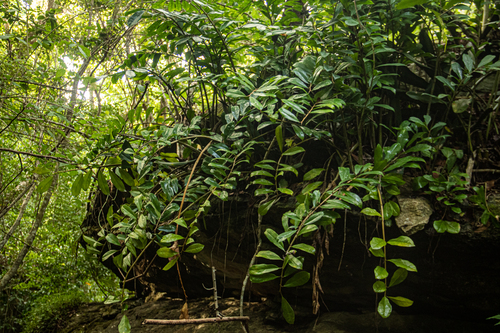
Eastern Africa (Kenya, Tanzania, Mozambique, Zanzibar archipelago, and parts of southern Somalia and the eastern South African Drakensberg foothills); semi-arid grassland and open-woodland understory habitats with seasonal rainfall, dry-season drought, and partial-shade exposure beneath open tree canopies.
Overview
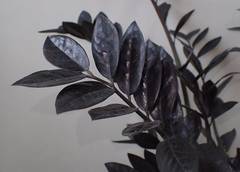
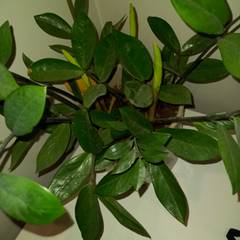
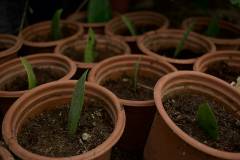
Zamioculcas zamiifolia is the ZZ plant (also called Zanzibar gem), an evergreen perennial in the arum family (Araceae) growing 18-36 inches (45-90 cm) tall and wide as an indoor houseplant. The genus name Zamioculcas references the visual resemblance of the pinnate compound fronds to the foliage of cycads in the genus Zamia ('zamia-like culcas', from the Arabic 'qulqas' for Colocasia, a related Araceae genus), and the species name 'zamiifolia' is Latin for 'with zamia-like leaves' — the binomial directly references the cycad-resembling foliage form that is one of the species' most recognizable physical characters. Each frond is a single compound leaf carrying 6-8 pairs of thick waxy glossy oval leaflets 1-3 inches (2.5-7.5 cm) long arranged in pairs along an arching central rachis, and the distinction between an individual frond (compound leaf) and an individual leaflet (pinnae) matters for pruning and propagation purposes — leaflet propagation works for the species (single leaflets buried in moist substrate produce small bulb-like rhizomes over several months), while frond removal requires cutting at the rhizome attachment rather than partway up the rachis. The species' principal cultivation distinction is the underground tuberous rhizome storage organ: the plant produces a substantial potato-like rhizome system at the soil-line interface that stores water and nutrients across extended drought periods, and the rhizome reserves allow the species to survive months between waterings without visible stress. The drought-storage rhizome combined with the thick waxy leaflet cuticle that reduces transpiration loss together produce the species' signature drought tolerance, and the species has earned a working reputation as among the more neglect-tolerant common indoor houseplants — the species survives conditions including extended drought, low ambient humidity, irregular watering schedules, dust accumulation on the leaves, and minimal light that would kill most other indoor plants. The species also tolerates the lowest indoor-light conditions of any common foliage houseplant — performing reliably in north-facing rooms, interior offices with only fluorescent lighting, windowless bathrooms, and other extreme low-light positions where most ornamental plants cannot photosynthesize at maintenance levels. The extreme tolerance reflects the species' East African semi-arid grassland and open-woodland understory native habitat, where the plant evolved to survive seasonal drought, low rainfall, and shaded understory positions beneath open tree canopies. Slow growth rate is a defining cultivation feature — a typical specimen produces only 2-4 new fronds per year under indoor conditions, and a 3-foot specimen may be 5-8 years old; the slow growth rate is balanced against the essentially indestructible cultivation profile and the year-round ornamental contribution. The cultivar 'Raven' is a near-black-foliage selection that produces dark purple-brown new growth maturing to nearly black mature foliage and has become one of the more popular cultivar selections in commercial houseplant nurseries since its introduction in the late 2010s. The species is toxic to humans and pets through calcium oxalate raphide crystals throughout the foliage and rhizomes — ingestion produces oral irritation, drooling, lip and tongue swelling, and gastrointestinal upset in pets and children, and sap contact can produce skin irritation in sensitive individuals. Hardy outdoors only in tropical zones 10-12; in cold zones the species is grown exclusively as an indoor houseplant.
Native Range
Zamioculcas zamiifolia is native to eastern Africa with a continuous native range across Kenya, Tanzania, Mozambique, the Zanzibar archipelago, and parts of southern Somalia and the eastern South African Drakensberg foothills. The species occurs in semi-arid grassland and open-woodland understory habitats with seasonal rainfall (the 'long rains' from March to May and the 'short rains' from October to December), extended dry-season drought across the intervening months, and partial-shade exposure beneath open tree canopies of Acacia, Combretum, and other East African dry-woodland tree species. The species' physiological adaptation to seasonal drought through the underground rhizome storage organ reflects the East African seasonal-rainfall native climate, and the same drought-storage adaptation translates to the species' working reputation as a neglect-tolerant indoor houseplant in temperate-zone cultivation. The species was introduced into Western horticulture in the 1990s by Dutch nursery breeders who recognized the commercial potential of the drought-tolerant low-light indoor cultivation profile, and the species has since become one of the more widely sold houseplant species in North American and European garden centers.Suggested Uses
Used as a low-maintenance indoor houseplant in north-facing rooms, interior offices, low-light bathrooms, and other indoor positions where bright light is limited. The species is among the more neglect-tolerant common indoor houseplants and is grown by gardeners who want a reliable indoor foliage plant that survives extended absences, irregular watering, and minimal light without visible stress. The cultivar 'Raven' supplies a near-black foliage color that contrasts with the standard dark green of the species type and is grown specifically for the dark-foliage statement contribution to indoor design compositions. The slow growth rate and the year-round ornamental foliage together make the species a working long-term indoor specimen rather than a fast-growing transient plant. The species pairs with companion low-light tolerant houseplants including Aspidistra elatior (cast iron plant), Sansevieria trifasciata (snake plant), Dracaena cultivars, and Philodendron cultivars for a multi-species low-light indoor foliage planting where the Zamioculcas arching glossy fronds contribute a textural and reflective contrast against the strappy or broad-leafed companion foliage. The species is sited away from positions where pets or children might consume the foliage because of the calcium oxalate toxicity.How to Identify
Appearance
Size & Dimensions
Height1'6" - 3'
Width/Spread1'6" - 3'
Colors
Bloom Information
The species rarely flowers in indoor cultivation. When flowers appear (typically only on outdoor-grown specimens in the species' native range or in tropical zone-10-12 outdoor cultivation), the flowers are greenish-white spadices wrapped in green spathes — the typical Araceae floral architecture shared with Anthurium, Spathiphyllum (peace lily), Monstera, and Philodendron. The flowers are individually small and unobtrusive, and the species' principal ornamental contribution is the year-round foliage rather than seasonal flowering display. Pollination in the native range is by small flies attracted to the spathe-and-spadix flower structure.
Detailed Descriptions
Flower Description
Greenish-white spadix (small fleshy flower spike) wrapped in a green spathe (modified bract) — the typical Araceae floral architecture shared with Anthurium, Spathiphyllum (peace lily), Monstera, and Philodendron; the species rarely flowers in indoor cultivation and the spathe-and-spadix flower structure is essentially never noticed in normal houseplant settingsFoliage Description
Dark green; thick waxy glossy oval leaflets 1-3 inches (2.5-7.5 cm) long arranged in pairs along arching pinnate compound fronds — each entire frond (often called a 'leaf' colloquially) is a single compound leaf carrying 6-8 pairs of leaflets, and the distinction between an individual frond and an individual leaflet matters for pruning and propagation purposes; the high gloss and thick waxy cuticle of the leaflet surface together produce the species' principal foliage signature and the source of the plant's recognizable indoor-houseplant appearanceGrowing Conditions
Sun Requirements
Requires 1-4 hours of direct sunlight daily
• Full Sun: 6+ hours of direct sunlight
• Partial Shade: 3-6 hours of direct sunlight
• Full Shade: Less than 3 hours of direct sunlight
Care & Maintenance
Care Guide
Place in low to medium indirect light — the species tolerates the lowest indoor-light conditions of any common foliage houseplant and survives in north-facing rooms, interior offices with only fluorescent lighting, and other extreme low-light positions. The species also tolerates brighter indirect light without difficulty but does not require direct sun. Water only when the soil is completely dry to the touch through the top 1-2 inches (2.5-5 cm) of the pot — over-watering and waterlogged substrate are the principal cause of plant failure for the species, and the underground tuberous rhizome storage organ stores water reserves across extended dry periods so that under-watering is far less risky than over-watering. Many gardeners water the species only every 2-4 weeks during active growth and every 4-8 weeks during winter months. Well-draining substrate with sand or perlite added to a standard houseplant potting mix supports the species reliably; standing water at the pot base is to be avoided because the rhizomes will rot in waterlogged substrate. Fertilization is at half-strength every 2-3 months during the active growing season (spring through summer) and not at all during winter months when growth slows. The species is toxic to humans and pets through calcium oxalate raphide crystals throughout the foliage and rhizomes; ingestion produces oral irritation, drooling, and gastrointestinal upset, and the species is sited away from positions where pets or children might consume the foliage. Wipe the leaflets periodically with a damp cloth to remove dust accumulation that reduces light absorption and the foliage gloss. Hardy outdoors only in tropical zones 10-12; in cold zones the species is grown exclusively as an indoor houseplant in 3-gallon (11-liter) or larger pots.Pruning
Remove individual fronds at the rhizome-attachment point at the soil line if the frond yellows, breaks, or otherwise becomes damaged — each frond is a single compound leaf and removal at the rhizome point is preferable to cutting partway up the rachis. The species does not benefit from pruning for shape or growth control because the slow growth rate (2-4 new fronds per year under indoor conditions) means active pruning is rarely needed. Sap contact during pruning can produce skin irritation in sensitive individuals from the calcium oxalate raphide crystals in the foliage tissue.Container Growing
Suitable for container growing
Minimum container size: 3 gallons