Zamia, Genus, spp., Multiple species,
- Genus
- Multiple species
Overview
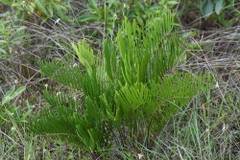
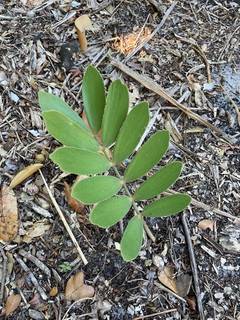
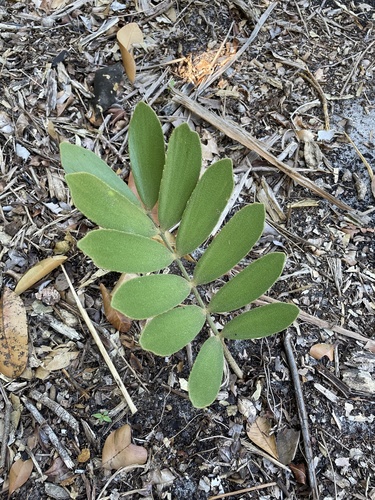
Zamia is a genus of about 80 cycads in the family Zamiaceae, ranging through the tropical and subtropical Americas from Florida and the Caribbean to Bolivia. These are not flowering plants but ancient seed-bearing gymnosperms, with a stout, partly buried stem, or caudex, topped by a crown of stiff, pinnate, palm-like leaves. Leaf length varies across the genus, from under 12 inches (30 cm) in dwarf species to 6 ft (1.8 m) in larger ones, and the leathery leaflets range from narrow to broad. Plants are dioecious, the sexes on separate individuals, and reproduce through cones rather than flowers: pollen cones on males and larger seed cones bearing fleshy, often red or orange seeds on females. Growth is slow, with only a few leaves added each year. All parts of Zamia contain the toxin cycasin and the amino acid BMAA, and the seeds are the most poisonous portion to people, pets, and livestock. Most species are frost-tender and limited to warm climates, though the Florida native Z. integrifolia tolerates light frost. The slow growth and toxicity are the main constraints on garden use.
Native Range
Zamia is native to the warmer parts of the Americas, from the southeastern United States and the Caribbean through Mexico and Central America into tropical South America. The single species native north of Mexico, Z. integrifolia, grows in pinelands and sandy hammocks of Florida and southern Georgia. Most other species occur in tropical forest understory.Suggested Uses
Zamia is grown as an evergreen accent in tropical and subtropical gardens, in shaded borders, and widely as a container and indoor plant in cooler regions. The stiff, palm-like foliage adds year-round structure. Slow growth and the toxicity of all plant parts shape its placement.How to Identify
Appearance
Size & Dimensions
Height1' - 6'
Width/Spread2' - 5'
Bloom Information
As a cycad, Zamia does not flower. Instead, mature plants produce cones, typically in spring to summer, with separate pollen cones and seed cones on different individuals. Female cones ripen over several months and split to release fleshy-coated seeds, usually red or orange, that draw birds and small mammals.
Detailed Descriptions
Foliage Description
Glossy dark greenGrowing Conditions
Sun Requirements
Requires 3-8 hours of direct sunlight daily
• Full Sun: 6+ hours of direct sunlight
• Partial Shade: 3-6 hours of direct sunlight
• Full Shade: Less than 3 hours of direct sunlight
Care & Maintenance
Care Guide
Zamia grows in part sun to light shade, and many species tolerate full sun once established, on free-draining sandy or loamy soil with a pH near 5.5 to 7.0. Watering is moderate during growth and reduced in cool weather, since the caudex rots in waterlogged soil. Most species are frost-tender and are grown outdoors only in zones 9 to 11, or kept in containers and moved under cover in winter. Growth is slow, and feeding is light, using a balanced fertilizer a few times in the warm season. All parts are toxic if eaten, with the seeds the most hazardous portion.Pruning
Pruning is limited to removing dead or damaged fronds at the base once they yellow. The crown is left otherwise intact, since each plant holds only a small number of leaves and recovery is slow. Spent cones are cut away after they break down.Container Growing
Suitable for container growing
Minimum container size: 5 gallons