Zamia, Genus, furfuracea, Species,
- Genus & species
cardboard palm tree
Overview
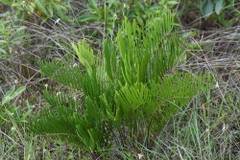
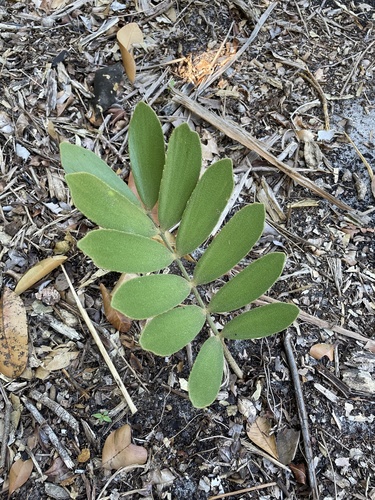
Zamia furfuracea is a cycad — not a true palm — growing 36-60 inches (90-150 cm) tall and 60-84 inches (150-210 cm) wide, forming a low spreading rosette of leaves emerging from a stout underground caudex. Leaves (called fronds in cycad terminology) are pinnate, 36-48 inches (90-120 cm) long, with 6-12 pairs of stiff oval leaflets 4-6 inches (10-15 cm) long. Leaflets are dark green with a rough fuzzy lower surface — the "cardboard" texture is the source of the common name. Cycads are dioecious — separate male and female plants — with cones rather than flowers. Male cones are cylindrical, 6-8 inches (15-20 cm) long, brown. Female cones are larger, 6-12 inches (15-30 cm), with red-orange seeds visible at maturity. The species is native to a small range in coastal Veracruz, Mexico, classified as endangered in the wild due to habitat loss and over-collection. All parts contain cycasin and BMAA, neurotoxins that cause liver and nervous system damage in humans, dogs, cats, and livestock; ingestion of seeds is often fatal in dogs. The species is hardy in zones 9-11; foliage damaged below 28°F (−2°C), with regrowth from the caudex in spring. Drought-tolerant, salt-tolerant, and slow-growing — adds 1-2 fronds per year. Container culture in pots of 5+ gallons (20+ liters).
Native Range
Z. furfuracea is native to a restricted range along the coastal plain of Veracruz, Mexico, where it grows on rocky slopes and in coastal scrub at low elevations. The species is listed as endangered (CITES Appendix I) due to habitat loss and over-collection for the ornamental trade.Suggested Uses
Grown as a specimen in xeriscape, coastal, and Mediterranean-style plantings in zones 9-11 in full sun to part shade. Used in container culture in pots of 5+ gallons (20+ liters) with well-drained mix, including indoor and indoor/outdoor culture in cold zones. Spaced 60-72 inches (150-180 cm) apart in landscape plantings. All parts highly toxic to pets, humans, and livestock — seeds especially toxic to dogs.How to Identify
Appearance
Size & Dimensions
Height3' - 5'
Width/Spread5' - 7'
Bloom Information
Cones rather than flowers, produced on mature plants (8-15 years from seedling). Male cones cylindrical, 6-8 inches (15-20 cm) long, brown, persisting 2-4 weeks. Female cones larger, 6-12 inches (15-30 cm), with red-orange seeds visible at maturity over 6-12 months.
Detailed Descriptions
Flower Description
Cones — male brown cylindrical, female brown to orange-brown with red seedsFoliage Description
Dark green with rough fuzzy undersidesGrowing Conditions
Sun Requirements
Requires 4-10 hours of direct sunlight daily
• Full Sun: 6+ hours of direct sunlight
• Partial Shade: 3-6 hours of direct sunlight
• Full Shade: Less than 3 hours of direct sunlight
Care & Maintenance
Care Guide
The species requires well-drained sandy or gritty soil; root rot develops within weeks in saturated or clay soils. Watering deeply once every 7-14 days during summer drought is sufficient — overwatering is a frequent cause of cultivation failure. Full sun to part shade; foliage scorches in extreme combined heat and drought. Cold damage occurs at sustained temperatures below 28°F (−2°C); the caudex survives brief freezes and regrows from new fronds in spring. Salt-tolerant — used in coastal landscapes in zones 9-11. Mealybugs and scale infest plants in dry indoor or greenhouse conditions. Resistant to deer browsing.Pruning
No pruning required for shape. Yellowing or damaged outer fronds can be cut at the base year-round; cut fronds do not regenerate, and new fronds emerge only from the central growing point. After cone production, dried male cones can be removed at the base; female cones drop seeds when ripe and can be left or removed.Container Growing
Suitable for container growing
Minimum container size: 5 gallons