Wyethia, Genus, amplexicaulis, Species,
- Genus & species
northern Mule's ear
Overview
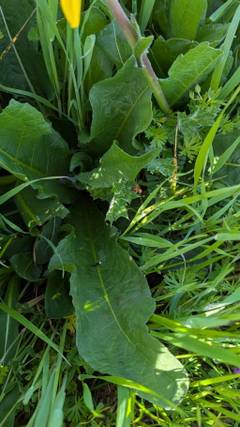
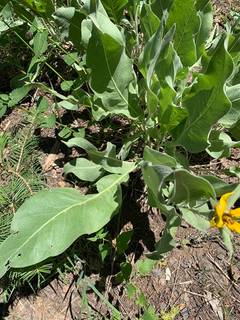
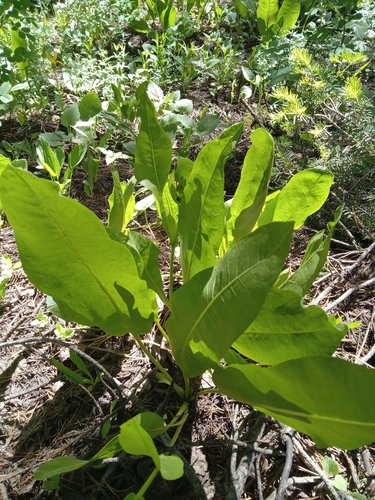
Wyethia amplexicaulis is a herbaceous perennial reaching 1-3 feet (30-90 cm) tall with a spread of 2-3 feet (60-90 cm). Plants emerge from a thick, woody taproot that may extend 6-8 feet (1.8-2.4 m) into the soil at maturity. Basal leaves are lance-shaped to oblong, 8-16 inches (20-40 cm) long, glossy green with a varnished surface that gives the foliage a wet appearance. Stem leaves clasp the stem at the base — the trait reflected in the species epithet — and decrease in size toward the inflorescence. Flower heads are 2-4 inches (5-10 cm) across with 13-21 yellow ray florets surrounding a darker yellow disc, borne singly or in clusters of 2-5 at stem tips. Bloom occurs from late April through early July depending on elevation. After flowering, plants set heavy crops of achenes that ripen by mid-summer; the entire above-ground portion senesces by August in dry-summer climates and the plant is dormant until the following spring. Plants take 4-7 years to flower from seed and live 20+ years once established. Foliage is unpalatable to most livestock and the plant can dominate overgrazed rangelands as more palatable species are removed.
Native Range
Native to the western United States from eastern Washington and Oregon east to Montana and south to Nevada, Utah, and Colorado. Occupies sagebrush steppe, mountain meadows, and open Ponderosa pine forests at 2,500-9,000 feet (750-2,750 m) elevation. Most common on deep, well-drained soils derived from volcanic or sedimentary parent material.Suggested Uses
Used in xeriscape and native meadow plantings in zones 4-7 at 24-30 inch (60-75 cm) spacing. Mass plantings on slopes and in dry borders create sheets of yellow bloom in May and June. Not used in mixed perennial borders with regular irrigation due to crown rot susceptibility; range-revegetation projects in the Intermountain West employ it for its deep taproot and longevity.How to Identify
Appearance
Size & Dimensions
Height1' - 3'
Width/Spread2' - 3'
Bloom Information
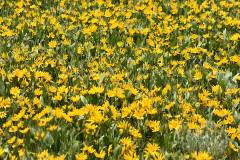
Late April through early July depending on elevation; lower-elevation populations begin in late April while montane populations bloom into July. Individual flower heads remain open 7-10 days; total bloom period at a single site lasts 3-5 weeks. Cool, wet springs extend bloom by 1-2 weeks; hot, dry weather can compress bloom to 2 weeks.
Detailed Descriptions
Foliage Description
glossy green with varnished surfaceGrowing Conditions
Sun Requirements
Requires 6-12 hours of direct sunlight daily
• Full Sun: 6+ hours of direct sunlight
• Partial Shade: 3-6 hours of direct sunlight
• Full Shade: Less than 3 hours of direct sunlight
Care & Maintenance
Care Guide
Grows in full sun on deep, well-drained loam, sandy loam, or rocky soils with neutral to slightly alkaline pH. Established plants are deeply taprooted and require no supplemental water in zones 4-7 once past the first season; container-started plants need weekly watering during the first growing season until the taproot establishes at 18-24 inches (45-60 cm). Heavy clay and sites with summer irrigation cause crown rot. Transplanting after the first year is rarely successful; the long taproot snaps and survival drops below 10%. Deer and most livestock leave the foliage alone. Plants are slow to establish from seed but persist 20+ years once mature.Pruning
Cut spent flower stems at the base after seed dispersal in late summer to limit volunteer seedlings, or leave intact for wildlife and self-seeding. Basal foliage senesces naturally by August in dry climates and dries to brown; dead leaves can be removed in late fall or left until spring. No structural pruning is performed; the plant regrows from the crown each year.Pruning Schedule
Prune: August–September
fall