Wyethia, Genus, spp., Multiple species,
- Genus
- Multiple species
mule's ears
Overview
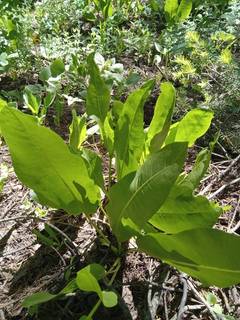
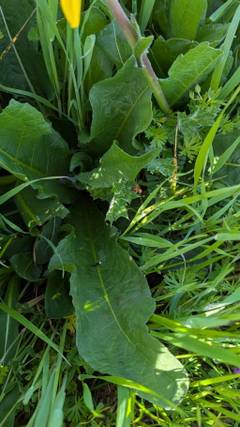
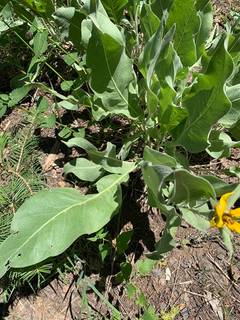
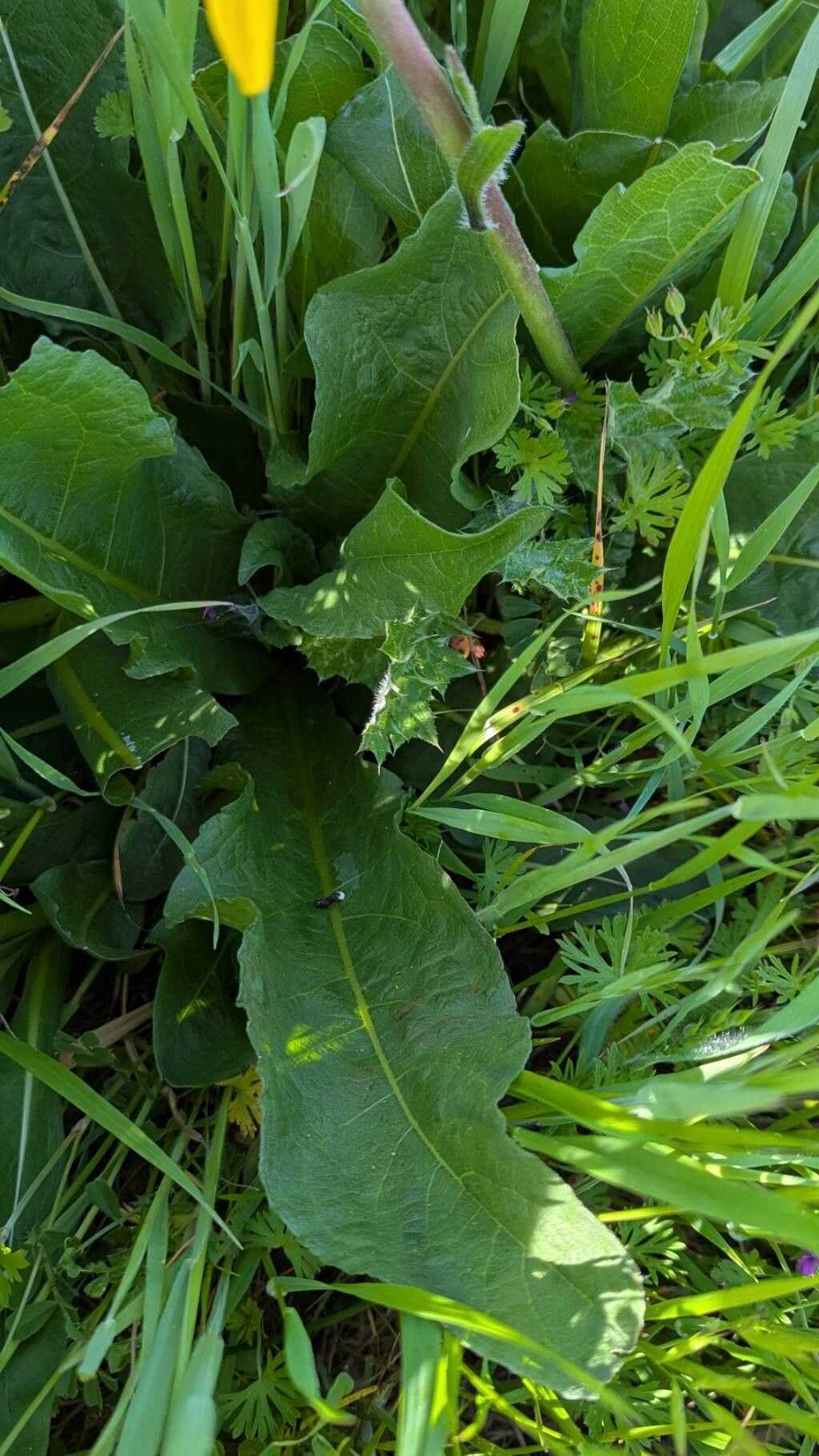
Wyethia is a genus of about 14 species of perennial herbs in the family Asteraceae, native to western North America. Known as mule's ears for their large, smooth or hairy basal leaves, plants grow 8 in to 3 ft (20-90 cm) tall from a thick, woody taproot. The leaves are 8-24 in (20-60 cm) long, lance- to elliptic-shaped, and clustered near the base. Stout stems carry one to several sunflower-like heads 2-4 in (5-10 cm) across, with golden-yellow ray florets around a yellow disc. Plants grow on dry slopes, sagebrush flats, meadows, and open woodland, often forming large colonies that bloom together in late spring and early summer. The deep taproot lets them survive drought and resprout each year, and they go dormant by late summer. Plants are slow to establish from seed and establish poorly after transplanting once the taproot forms. Foliage is grazed by livestock and wildlife in some areas.
Native Range
Wyethia is native to western North America, from British Columbia and Montana south to California and the Rocky Mountain states. Plants grow in dry foothills, sagebrush steppe, mountain meadows, and open coniferous woodland. Several species are restricted to particular western mountain ranges.Suggested Uses
Grown in native plant gardens, dryland meadows, and restoration plantings across the western United States. The early-summer flowers draw native bees and butterflies. Plants suit sunny, well-drained banks and naturalized slopes where summer dormancy is acceptable.How to Identify
Appearance
Size & Dimensions
Height8" - 3'
Width/Spread1' - 3'
Bloom Information
Flowering occurs in late spring and early summer, generally May to July, often with whole colonies blooming at once. The heads open over a few weeks before plants set seed and go dormant. Bloom comes earlier at low elevation and later in the mountains.
Detailed Descriptions
Foliage Description
greenGrowing Conditions
Sun Requirements
Requires 6-12 hours of direct sunlight daily
• Full Sun: 6+ hours of direct sunlight
• Partial Shade: 3-6 hours of direct sunlight
• Full Shade: Less than 3 hours of direct sunlight