Vittadinia, Genus, gracilis, Species,
- Genus & species
purple fuzzweed
Overview
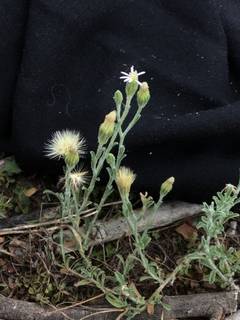
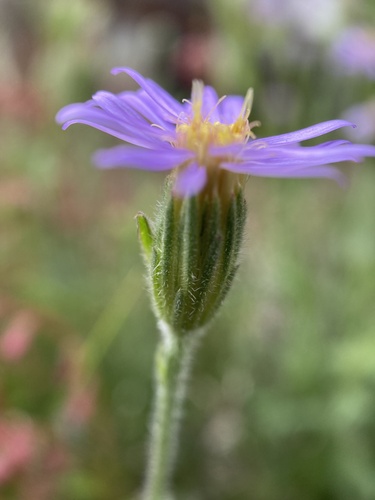
Vittadinia gracilis is a small, wiry perennial herb or subshrub in the family Asteraceae, forming open tufts 6-16 inches (15-40 cm) tall. The slender, branching stems carry small, narrow, often three-toothed leaves 0.2-1.2 inch (5-30 mm) long, sometimes slightly hairy. From spring into summer it produces small daisy flowerheads about 0.4-0.8 inch (10-20 mm) across, with pale mauve to purple-blue ray florets around a yellow centre. The seeds carry a tuft of bristly hairs that gives the fluffy seed heads behind the common name fuzzweed. Vittadinia gracilis grows in grassland, open woodland, and disturbed ground on a range of soils across eastern Australia and tolerates drought and poor ground once established. It is short-lived but renews freely from self-sown seed, and it is sensitive to wet, poorly drained sites and deep shade. The slender habit and mauve daisies suit it to native grassland and meadow plantings, though individual plants do not persist for many years.
Native Range
Vittadinia gracilis is native to eastern and southern Australia, occurring across Queensland, New South Wales, Victoria, South Australia, and Tasmania. It grows in grassland, open woodland, and disturbed ground on a wide range of soils.Suggested Uses
Used in native grassland and meadow plantings, rockeries, and low-water borders on free-draining soils. The slender habit and mauve daisies suit massed planting and gap-filling among grasses and other small native herbs.How to Identify
Appearance
Size & Dimensions
Height6" - 1'4"
Width/Spread6" - 1'
Bloom Information
Flowering occurs mainly from spring into summer, with scattered flowers at other times in mild conditions. The mauve to purple-blue daisies open over a long period and are visited by native bees, hoverflies, and small butterflies. Fluffy seed heads follow and scatter wind-borne seed.
Detailed Descriptions
Flower Description
Mauve to purple-blue with yellow centreFoliage Description
Green to grey-greenGrowing Conditions
Sun Requirements
Requires 6-10 hours of direct sunlight daily
• Full Sun: 6+ hours of direct sunlight
• Partial Shade: 3-6 hours of direct sunlight
• Full Shade: Less than 3 hours of direct sunlight
Care & Maintenance
Care Guide
Grow Vittadinia gracilis in full sun on most free-draining soils, including sandy, loamy, and gravelly types. It withstands drought, heat, and frost once established and needs little water through summer. It is short-lived, often persisting two to three years, but renews readily from self-sown seedlings. It rots and fails on wet, poorly drained ground, so it suits drier sites. Little feeding is needed on average soils. Cutting back lightly after the main flush tidies the plant and can prompt further flowers.Pruning
Cut back lightly after the main flowering flush to tidy the plant and encourage a further round of flowers. Spent stems can be removed through the season. The plant can be left to set and shed seed, since it relies on self-seeding to persist.Pruning Schedule
Prune: February
summer
Container Growing
Suitable for container growing
Minimum container size: 2 gallons