Vittadinia, Genus, spp., Multiple species,
- Genus
- Multiple species
New Holland daisy
Australia, New Zealand, and South America
Overview
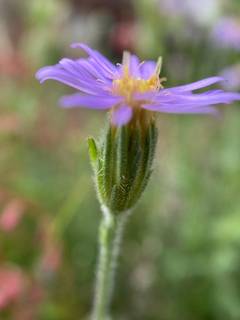
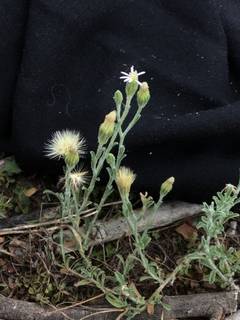
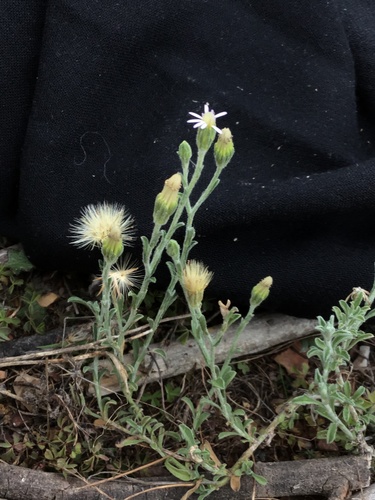
Vittadinia is a genus of about 30 species of small daisies in the family Asteraceae, the majority native to Australia, with additional species in New Zealand and South America. Plants range from short-lived annuals to wiry perennial subshrubs, typically forming low mounds 10-50 cm (4-20 in) tall covered in narrow, often greyish, hairy leaves. The flower heads are small, 1-2 cm (0.4-0.8 in) across, with slender ray florets in mauve, blue, or white surrounding a yellow central disc, followed by tufted seeds that disperse on the wind. Most species grow in open grassland, woodland, and disturbed ground on dry soils, and they tolerate heat and drought once established. Because the genus spans both annual and perennial life cycles, individual species differ in longevity, and several behave as pioneers that colonise bare or grazed ground quickly. Flowering is concentrated in spring and summer but can continue sporadically through warm months. The soft hairs give many species a grey-green tone, and the overall habit is compact rather than spreading. In cultivation they suit dry, sunny banks and gravelly beds where larger perennials struggle.
Native Range
The genus is centred in Australia, where most species grow in grassland, open woodland, and disturbed sites across the mainland and Tasmania. A few species occur in New Zealand and in temperate South America. They favour well-drained, often poor soils in full sun.Suggested Uses
Used in dry gardens, gravel and rockery plantings, and native or meadow-style beds on poor soils. The low mounds suit edging and the front of sunny borders. Also grown for revegetation of disturbed, free-draining sites.How to Identify
Appearance
Size & Dimensions
Height4" - 1'8"
Width/Spread6" - 1'4"
Bloom Information
Flowering is heaviest in spring and early summer, roughly September to December in the native range, and lighter flushes can appear after summer rain. Each head lasts several days, and a plant produces flowers over many weeks. Seed sets readily and self-sown seedlings often appear nearby.
Detailed Descriptions
Flower Description
mauve, blue, or white with a yellow discFoliage Description
grey-greenGrowing Conditions
Sun Requirements
Requires 6-10 hours of direct sunlight daily
• Full Sun: 6+ hours of direct sunlight
• Partial Shade: 3-6 hours of direct sunlight
• Full Shade: Less than 3 hours of direct sunlight
Care & Maintenance
Care Guide
Plants grow in full sun on well-drained sandy, gravelly, or loamy soils, including low-fertility ground. Once established they tolerate extended dry spells and need little or no supplementary water. Wet, heavy, poorly drained soil is the main cause of failure, leading to root and crown rot. Frost-tender to semi-hardy depending on species, the perennials are cut back to renew growth and the annuals are left to self-seed. Feeding is rarely needed, as rich soil produces lax, short-lived growth. Few pests trouble them, though aphids can gather on soft new shoots.Pruning
Perennial species are trimmed back by about half after the main flush to keep them dense and prompt fresh flowering. Annual species need no pruning and are removed once they finish seeding. A light shear in late winter tidies overwintered clumps.Container Growing
Suitable for container growing
Minimum container size: 1 gallons