Vittadinia, Genus, cuneata, Species,
- Genus & species
purple fuzzweed
Overview
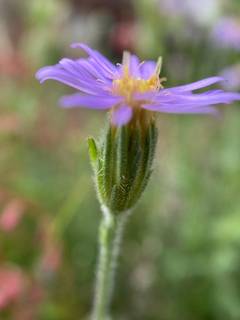
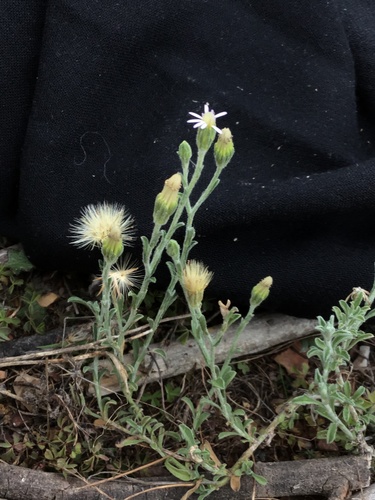
Vittadinia cuneata is a small, short-lived perennial herb forming a tuft 4-16 inches (10-40 cm) tall and about 8-16 inches (20-40 cm) wide. The grey-green leaves are wedge-shaped with a few teeth or lobes near the tip and are covered in short hairs that give a slightly rough feel. Daisy flowerheads 0.4-0.6 inch (10-15 mm) across open from spring into summer, each with mauve to blue-purple rays around a yellow central disc. As seed sets, the heads turn into rounded fluffy balls of white-bristled seed, the source of the common name fuzzweed. The species grows in open grassland, woodland, and disturbed ground across much of mainland Australia on a range of soils. It tolerates drought and poor soil but is short-lived, often persisting only two to three years before relying on self-sown seedlings. Plants can self-seed freely, which suits naturalistic plantings but may need thinning in tidy beds. Growth is low and clumping rather than spreading.
Native Range
Vittadinia cuneata is native to Australia, where it is widespread across the southern and eastern mainland states. It grows in grassland, open eucalypt woodland, and disturbed roadsides on clay, loam, and sandy soils.Suggested Uses
Planted in native meadow plantings, rockeries, and dry borders, and as a filler in waterwise gardens. Suited to containers and gravel gardens with sharp drainage. Spaced 8-12 inches (20-30 cm) apart in drifts.How to Identify
Appearance
Size & Dimensions
Height4" - 1'4"
Width/Spread8" - 1'4"
Colors
Bloom Information
Daisy flowerheads open mainly from spring into summer and continue sporadically after rain. Each head has mauve to blue-purple rays around a yellow disc and opens by day. Flowering is followed quickly by the fluffy seed heads that give the plant its common name.
Detailed Descriptions
Flower Description
Mauve to blue-purple with yellow centerFoliage Description
Grey-greenGrowing Conditions
Sun Requirements
Requires 6-12 hours of direct sunlight daily
• Full Sun: 6+ hours of direct sunlight
• Partial Shade: 3-6 hours of direct sunlight
• Full Shade: Less than 3 hours of direct sunlight
Care & Maintenance
Care Guide
Vittadinia cuneata grows in full sun in light, well-drained soil and tolerates poor, dry, and rocky ground. Established plants are drought-tolerant and need little or no summer water. The species is frost-hardy in its native range, withstanding light to moderate frost, roughly USDA zones 8-10. Plants are short-lived but renew from self-sown seed, so leaving some seed heads keeps a patch going. No fertilizer is needed, and rich soil produces soft growth that flops.Pruning
A light trim after the first flush of flowering can tidy the plant and prompt a second showing. Seed heads can be left to allow self-seeding or sheared off to limit spread. Plants are otherwise left unpruned.Pruning Schedule
Prune: December–January
summer
Container Growing
Suitable for container growing
Minimum container size: 1 gallons