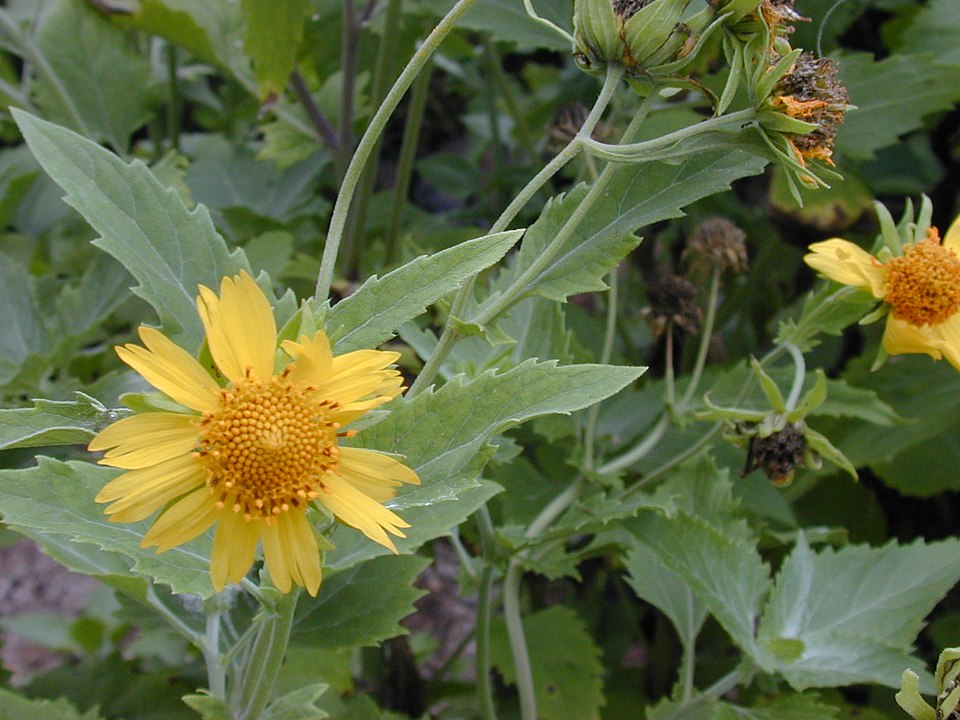
Verbesina, Genus, encelioides, Species,
- Genus & species
cowpen daisy
Southwestern United States and northern Mexico
SunFull Sun
Overview
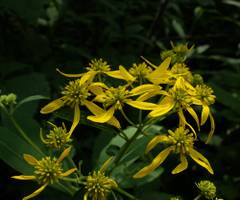
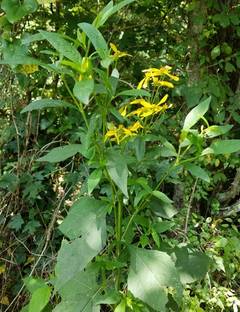
Verbesina encelioides is an annual herb in the aster family, growing 12-48 inches (30-120 cm) tall on erect, branching stems covered in short grayish hairs. The triangular to lance-shaped leaves are 1.5-5 inches (4-13 cm) long, gray-green, coarsely toothed, and often have a winged base where they clasp the stem. From late spring into fall it carries golden-yellow flower heads 1-2 inches (2.5-5 cm) across, each with 10 to 15 ray florets notched into three teeth at the tip, surrounding a raised orange-yellow disk. The plant grows quickly from seed, flowers within weeks, and self-sows freely in warm climates. Native to the arid grasslands and disturbed soils of the southwestern United States and Mexico, it withstands heat and drought and colonizes roadsides, fields, and overgrazed range. The foliage has a strong scent when crushed. In quantity the leaves contain compounds toxic to sheep and other livestock. It behaves as a pioneer on bare ground and dies with the first frost.
Native Range
Native to the southwestern United States and northern Mexico, extending into the southern Great Plains. It grows in deserts, grasslands, roadsides, and disturbed ground, and has naturalized well beyond its original range.Suggested Uses
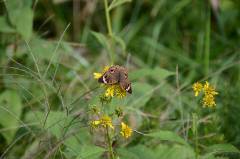
Verbesina encelioides is grown in wildflower meadows, pollinator plantings, and dry, sunny borders, and naturalizes on disturbed ground. Its flower heads draw bees and butterflies, and the seeds feed birds.How to Identify
Appearance
Size & Dimensions
Height1' - 4'
Width/Spread1' - 2'
Colors
Bloom Information
Detailed Descriptions
Foliage Description
gray-greenGrowing Conditions
Sun Requirements
Requires 6-12 hours of direct sunlight daily
• Full Sun: 6+ hours of direct sunlight
• Partial Shade: 3-6 hours of direct sunlight
• Full Shade: Less than 3 hours of direct sunlight
Water & Climate
Water Needs
Drought Tolerance
Drought tolerant when established
Care & Maintenance
Care Guide
Verbesina encelioides grows in full sun and lean, well-drained soils, tolerating sand, clay, and rocky ground. It needs little water once established and thrives in heat and drought. As a fast annual it self-sows readily and can spread into a weed in irrigated gardens. Plants need no fertilizer and decline in rich, moist soil. Cutting back spent flower heads before seed set limits reseeding.Pruning
No pruning is needed for this annual beyond cutting spent flower heads to limit self-sowing. Plants can be cut or pulled to control spread. They die back completely after frost.Toxicity Warning
Toxic to petsPlanting Guide
Planting Methods & Timing
Planting Method
direct sow
Direct Sow Timing
Spring, after the last frost
Days to Maturity
50–70 days
Plant Spacing
18 inches