Toona, Genus, sinensis, Species,
- Genus & species
Chinese toon
Overview
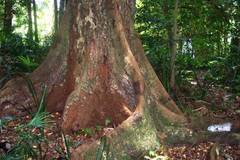
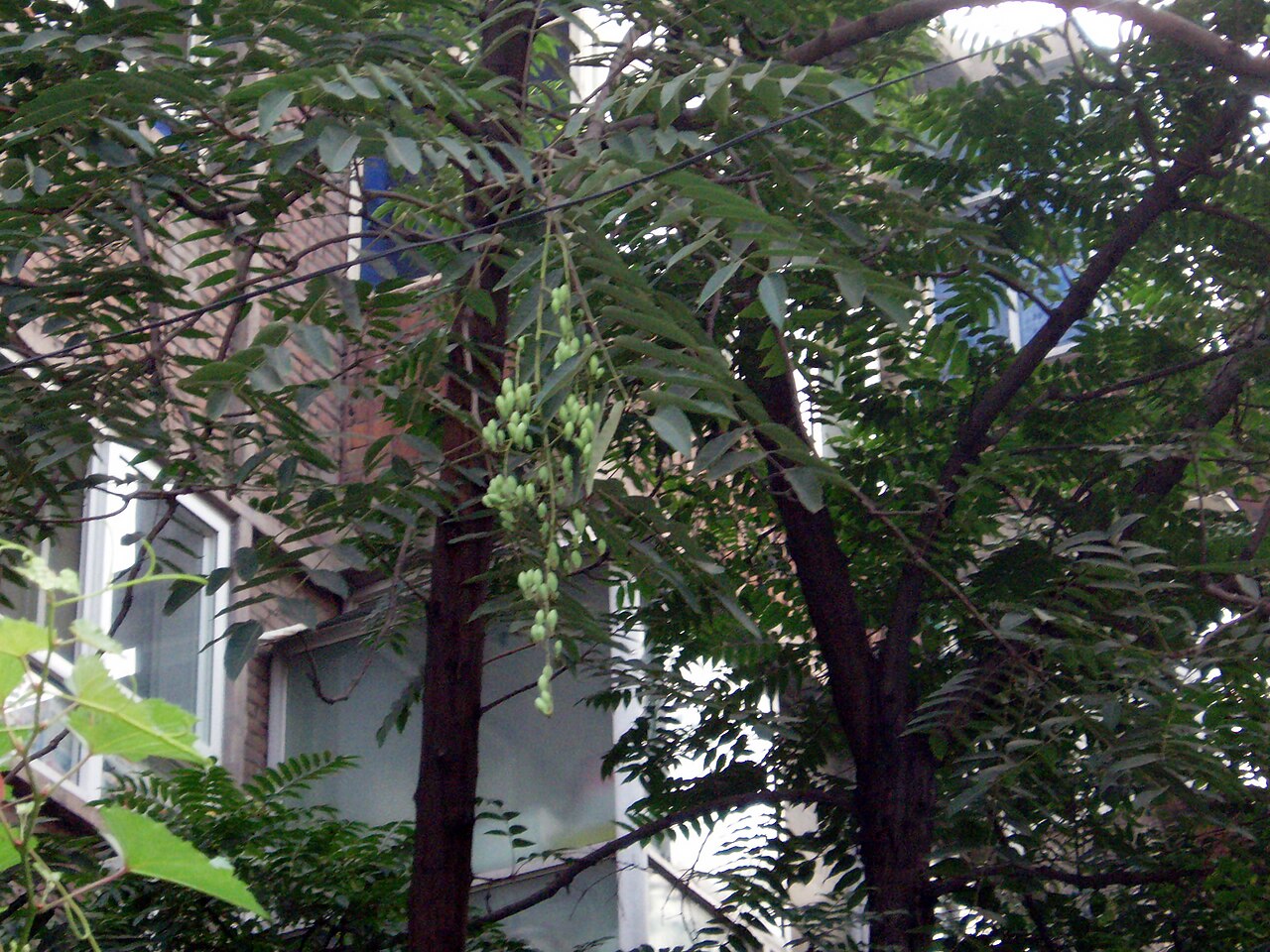
Toona sinensis is a deciduous tree reaching 30-70 feet (9-21 m) tall and 20-40 feet (6-12 m) wide, with an upright trunk, ascending branches, and grey-brown bark that peels in narrow vertical strips. Leaves are pinnate, 12-28 inches (30-70 cm) long, with 10-20 leaflets each 3-6 inches (8-15 cm) long and 1-2 inches (2.5-5 cm) wide, clustered toward the branch ends; new growth emerges red-bronze to pink and turns mid-green within 3-4 weeks. Small white to cream flowers 0.2 inch (5 mm) across are carried in pendulous panicles 10-20 inches (25-50 cm) long in June, with a scent detectable a few feet (1 m) from the tree. Fruit is a woody capsule 0.8-1.2 inches (2-3 cm) long that splits into five valves and releases winged seeds. Young shoots and expanding leaves are harvested as a vegetable in China at 4-8 inches (10-20 cm) long. Shoot extension reaches 2-3 feet (60-90 cm) per year on moist soils. Root suckers appear 3-15 feet (1-4.5 m) from the trunk and regrow after cutting, so established trees take several seasons to remove. Late spring frosts blacken the emerging shoots.
Native Range
Native to eastern and southern Asia, from northern and central China through Korea, Nepal, and northern India to Indonesia. Grows in mixed deciduous forest and on valley slopes from near sea level to 8,500 feet (2,600 m). Cultivated across China for edible shoots and for timber, and naturalised in parts of the southeastern United States and eastern Australia.Suggested Uses
Planted as a shade or street tree at 25-35 foot (7.5-10.7 m) spacing in zones 5-9, and grown as a coppiced shrub in vegetable gardens for spring shoots. The pink-flushed spring growth appears alongside late spring flowering shrubs, and the pinnate canopy casts open shade. Root suckering rules out planting near paving, foundations, and mown lawns, and self-sown seedlings appear in adjacent beds.How to Identify
Appearance
Size & Dimensions
Height30' - 70'
Width/Spread20' - 40'
Bloom Information
Flowers open in June in zones 6-9, and in late June in zone 5. Panicles 10-20 inches (25-50 cm) long carry flowers over 2-3 weeks, with scent heaviest in still weather in the evening. Trees begin flowering at 8-12 years and at 20-30 feet (6-9 m) tall. Flowering is sparse or absent on trees cut back each winter for shoot harvest.
Detailed Descriptions
Flower Description
white to creamFoliage Description
red-bronze to pink when young, turning mid-greenGrowing Conditions
Sun Requirements
Requires 6-12 hours of direct sunlight daily
• Full Sun: 6+ hours of direct sunlight
• Partial Shade: 3-6 hours of direct sunlight
• Full Shade: Less than 3 hours of direct sunlight
Care & Maintenance
Care Guide
Water weekly for the first two growing seasons; established trees tolerate 3-4 weeks without rain but shed lower leaves in longer droughts. Growth continues in soils from sand to clay at pH 5.5-7.5, with the fastest shoot extension on deep moist loam. Root suckers appear from the second year and are cut or dug out annually; severing roots during cultivation increases the number that form. Shoot harvest for food is taken from plants coppiced to 12-24 inches (30-60 cm) each winter, which yields 4-8 inch (10-20 cm) shoots in April and May. Leaf-feeding caterpillars and scale insects occur without lasting effect on tree structure, while trunk wounds admit wood decay fungi in humid regions. Trees in exposed sites lose branch tips at temperatures below -10F (-23C).Pruning
Structural pruning is done in late winter, taking out crossing branches and reducing co-dominant leaders while cuts remain under 2 inches (5 cm) in diameter. Coppicing to 12-24 inches (30-60 cm) in winter produces the soft shoots harvested as a vegetable, at the cost of the tree form. Root suckers are cut at ground level or dug out through the growing season, since cutting alone leads to regrowth from the remaining root. Pruning wounds over 3 inches (8 cm) across close slowly and can admit decay fungi.Pruning Schedule
Prune: January–February
winter