Toona, Genus, ciliata, Species,
- Genus & species
Australian red cedar
Overview
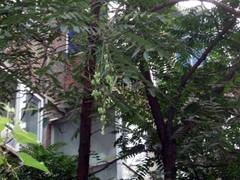
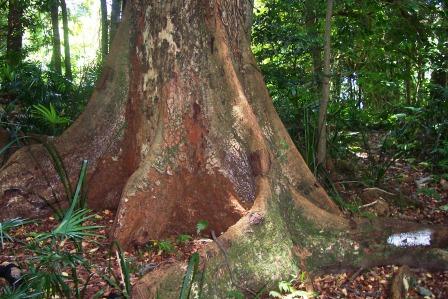
Toona ciliata is a deciduous rainforest tree reaching 60-130 feet (18-40 m) tall in the wild, with cultivated trees commonly 40-65 feet (12-20 m), forming a broad spreading crown and a buttressed trunk to 3 feet (1 m) or more in diameter. The pinnate leaves are 12-35 inches (30-90 cm) long with 10-25 leaflets, each leaflet 3-5 inches (8-13 cm) long, and turn yellow before falling in the dry or cool season. New growth flushes red to bronze. Small bell-shaped white to pink flowers about 0.2 inch (5 mm) long are carried in large branched sprays and have a sweet scent. The timber is red and lightweight and was heavily logged across eastern Australia. Small winged seeds are released from woody five-valved capsules. The cedar tip moth bores into new shoots, causing forked, crooked growth in young trees.
Native Range
Native to eastern Australia from Queensland to southern New South Wales, with a wider natural range extending through southern Asia. Grows in subtropical and warm-temperate rainforest, gallery forest, and rich alluvial flats at low to moderate elevations.Suggested Uses
Planted as a shade and timber tree in large gardens, parks, and rainforest plantings, spaced 20-40 feet (6-12 m) apart. The broad crown casts heavy summer shade and lets winter light through after leaf fall. The large size, buttressed roots, and falling leaves make it unsuited to small gardens or positions near paving.How to Identify
Appearance
Size & Dimensions
Height60' - 130'
Width/Spread30' - 50'
Bloom Information
Small fragrant flowers appear in spring and early summer, mainly September to December in its native range, as the new foliage expands. Flowering across a tree lasts 3-5 weeks. Capsules ripen over the following months and split to release winged seeds.
Detailed Descriptions
Flower Description
white to pinkFoliage Description
greenGrowing Conditions
Sun Requirements
Requires 6-10 hours of direct sunlight daily
• Full Sun: 6+ hours of direct sunlight
• Partial Shade: 3-6 hours of direct sunlight
• Full Shade: Less than 3 hours of direct sunlight
Care & Maintenance
Care Guide
Grows in deep, fertile, moist but well-drained soil in full sun to part shade, matching its rainforest-flat origins. Young trees need steady moisture and shelter and grow rapidly in warm conditions, gaining 3-6 feet (1-2 m) in height a year. The cedar tip moth bores into leading shoots, producing forked, crooked trunks where larvae are active. Trees grown among other species or in shade show less tip-moth damage than those in the open. The species is frost-tender when young and drops its leaves in the dry or cool season. Mature trees develop buttressed roots that can lift nearby paving.Pruning
Formative pruning in the first few years selects and maintains a single leading shoot, countering the forking caused by tip-moth damage. Dead and crossing branches are removed in winter while the tree is leafless. Large trees need little pruning once a clear trunk is established.Pruning Schedule
Prune: June–July
winter