Tetraneuris, Genus, scaposa, Species,
- Genus & species
stemmy four-nerved daisy
South-central United States and northern Mexico
Overview
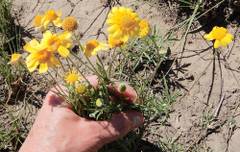
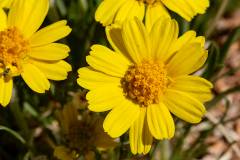
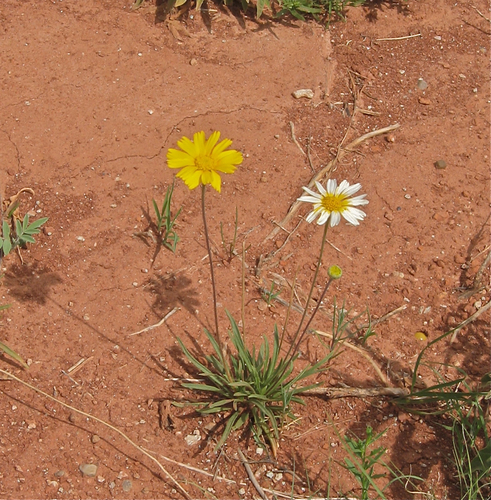
Tetraneuris scaposa is a low, clump-forming perennial in the aster family, forming a tuft of narrow, grass-like basal leaves 1-4 inches (2.5-10 cm) long from a woody crown. From this clump rise slender, leafless flower stalks 6-16 inches (15-40 cm) tall, each topped by a single yellow daisy flower head 1-1.5 inches (2.5-4 cm) across with notched ray florets. The plant blooms over a very long season, from early spring into autumn, and nearly year-round in mild winters. Below ground a deep taproot lets it survive heat and extended drought on thin, rocky soils. It grows on dry limestone outcrops, rocky prairies, and sandy plains where competition is low. The flower heads close at night and in cloudy weather. After bloom the ray florets dry and persist as papery, silvery structures around the seed head. Because it is short-lived in heavy or wet soils, it relies on good drainage and some self-seeding to persist. The foliage stays low and green through much of the year in warm regions.
Native Range
Tetraneuris scaposa is native to the south-central United States and northern Mexico, from Kansas and Colorado south through Texas, Oklahoma, and New Mexico. It grows on dry, rocky, and sandy prairies, limestone outcrops, and open plains.Suggested Uses
Tetraneuris scaposa is used in rock gardens, xeriscapes, native plant borders, and dry meadow plantings for its long bloom and low water needs. It suits hot, sunny, well-drained sites and edging along paths. It combines with other dry-site natives such as blackfoot daisy, blanketflower, and native grasses.How to Identify
Appearance
Size & Dimensions
Height6" - 1'4"
Width/Spread6" - 1'
Bloom Information
Flowering spans a very long season, from early spring through autumn, and is nearly continuous in mild-winter areas. Single yellow heads open on bare stalks and are replaced steadily over many months. The flowers close at night and on overcast days. Bees and small butterflies visit the heads through the long bloom.
Detailed Descriptions
Foliage Description
greenGrowing Conditions
Sun Requirements
Requires 6-12 hours of direct sunlight daily
• Full Sun: 6+ hours of direct sunlight
• Partial Shade: 3-6 hours of direct sunlight
• Full Shade: Less than 3 hours of direct sunlight
Care & Maintenance
Care Guide
Tetraneuris scaposa grows in full sun and dry, fast-draining rocky, sandy, or gravelly soil, including alkaline and limestone ground. Once established it tolerates heat and drought through its deep taproot and needs little or no added water. Heavy, rich, or poorly drained soil shortens its life and can rot the crown. It needs no fertilizer and grows in lean, low-nutrient sites. Shearing spent flower stalks during the season keeps the clump tidy and extends bloom. Hardy in USDA zones 4 through 9, it stays low and partly evergreen in warm regions and dies back in cold winters.Pruning
Spent flower stalks can be sheared off through the season to keep the clump neat and prolong flowering. A harder cutback in late winter removes old growth before spring. Dividing crowded clumps in spring renews older plants, though the taproot makes division less reliable than seed.Pruning Schedule
Prune: February
winter
Container Growing
Suitable for container growing
Minimum container size: 1 gallons