Tagetes, Genus, patula, Species,
- Genus & species
French marigold
Guatemala and Mexico; open hillsides, roadsides, and disturbed ground. The common name 'French marigold' reflects early European cultivation through French gardens following introduction from the Americas; the species is not native to France.
SunFull Sun
Overview
Tagetes patula is a compact bushy annual reaching 6-18 inches (15-45 cm) tall and wide, forming dense rounded mounds of finely pinnate dark green leaves that release a strong musky-spicy scent when bruised. Despite the common name 'French marigold,' the species is native to Guatemala and Mexico, not France; the English name reflects early European cultivation through French monastery gardens following introduction from the Americas in the 16th century. Plants produce a continuous succession of solitary flower heads 1-2.5 inches (2.5-6.5 cm) across from June through the first frost, in yellow, orange, mahogany-red, and bicolors, in single, semi-double, and fully double forms depending on cultivar. Modern F1 hybrid series can carry hundreds of simultaneous open flowers per plant through the season. Root exudates of T. patula contain thiopene compounds documented to reduce soil populations of root-knot nematodes when plants are set at close spacing over multiple consecutive seasons. Plants are frost-sensitive; first fall frost ends the growing season. In cool-summer climates such as the Pacific Northwest, flowering runs 18-20 weeks; in hot-summer regions, flowering can stall during peak summer heat.
Native Range
Tagetes patula is native to Guatemala and Mexico, where it grows on open hillsides, roadsides, and disturbed ground. The species has naturalized in scattered sites across tropical and subtropical regions worldwide from cultivation. The common name 'French marigold' reflects early European cultivation through French gardens following 16th-century introduction from the Americas.Suggested Uses
Planted in annual borders, vegetable garden edges, containers of 2 gallons (7.5 L) or more, and window boxes at 6-12 inch (15-30 cm) spacing. The aromatic foliage reduces feeding damage from some insect pests on adjacent vegetables and the root exudates suppress soil nematode populations when plants are set at close spacing over multiple seasons. Common companion plantings include tomatoes, peppers, cucumbers, beans, basil, and carrots. Cut stems hold 5-7 days in a vase when cut with flower heads half-open. Not grown in shaded or waterlogged sites, where flowering diminishes.How to Identify
Appearance
Size & Dimensions
Height6" - 1'6"
Width/Spread6" - 1'6"
Bloom Information
Solitary flower heads 1-2.5 inches (2.5-6.5 cm) across open continuously from June through the first fall frost; in Pacific Northwest lowlands where frost holds off until mid-October, bloom runs approximately 18-20 weeks. Individual flower heads remain in color for 1-2 weeks. Modern F1 hybrids self-clean and produce a continuous wave of new heads without deadheading; older open-pollinated strains set seed after bloom and stop flowering unless spent heads are removed. Bloom can pause in extended heat above 90°F (32°C) and resumes as temperatures moderate.
Detailed Descriptions
Flower Description
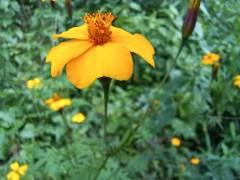
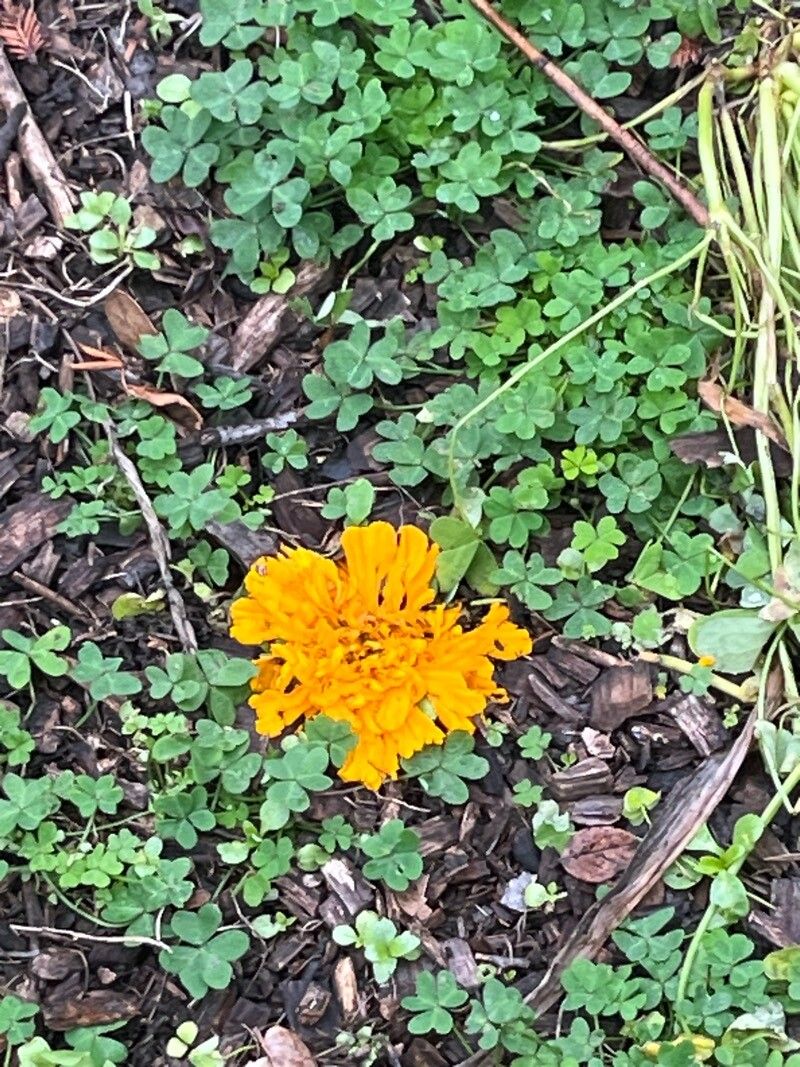
Yellow, orange, mahogany-red, and bicolors; solitary flower heads 1-2.5 inches (2.5-6.5 cm) across in single, semi-double, and fully double forms; continuous succession from June through first frostFoliage Description
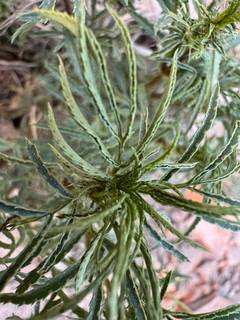
Dark green; finely pinnate compound leaves with narrow lance-shaped leaflets; release a strong musky-spicy scent when bruisedGrowing Conditions
Sun Requirements
Requires 6-8 hours of direct sunlight daily
• Full Sun: 6+ hours of direct sunlight
• Partial Shade: 3-6 hours of direct sunlight
• Full Shade: Less than 3 hours of direct sunlight
Care & Maintenance
Care Guide
Plants grow in full sun in average to lean, well-drained soil with a pH of 6.0-7.5. Transplants are set out after the last frost date, mid-May in Pacific Northwest lowlands once soil temperatures hold above 60°F (16°C); direct-sown seed germinates within 5-10 days under the same conditions. Overly rich soils produce leafy growth at the expense of flowers. Watering at the soil surface rather than from overhead reduces botrytis on double-flowered cultivars in humid summers. Powdery mildew occurs in late summer in poorly ventilated sites. For nematode suppression in vegetable rotations, plants are set at 6-inch (15 cm) spacing and tilled into the soil at season end. Plants die at the first hard frost.Pruning
Modern F1 hybrid series are largely self-cleaning. In older open-pollinated varieties, spent heads are pinched off to the nearest leaf node to extend flowering. The growing tip of a young transplant can be pinched once to encourage branching into a multi-stemmed form. Plants are removed after frost kill at the end of the growing season.Pruning Schedule
Prune: June–September
summerfall
Container Growing
Suitable for container growing
Minimum container size: 2 gallons
Toxicity
Non-toxicPlanting Guide
Planting Methods & Timing
Planting Method
both
Indoor Start
7 weeks before last frost
Direct Sow Timing
Direct sow after the last frost date (mid-May in Pacific Northwest lowlands) once soil temperatures hold above 60°F (16°C). Germination takes 5-10 days at 70-75°F (21-24°C). Transplants from indoor starts can be set out after all frost danger has passed.
Days to Maturity
50–70 days
Plant Spacing
9 inches