Tagetes, Genus, erecta, Species,
- Genus & species
Mexican marigold
Overview
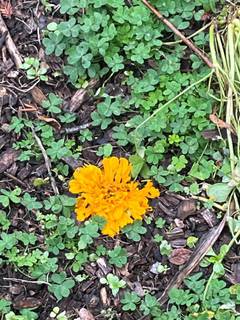
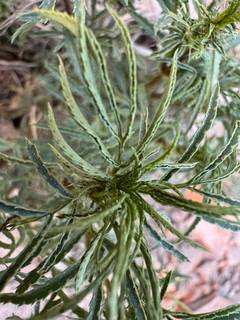
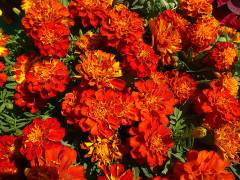
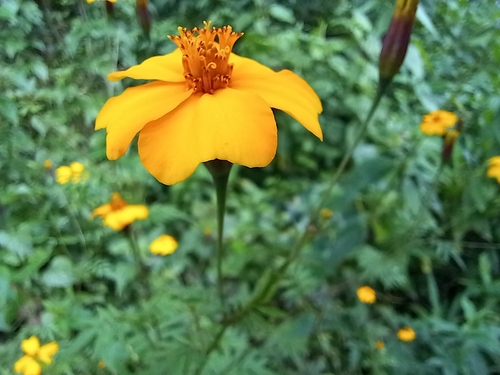
Tagetes erecta is an erect annual in the daisy family, growing 12-36 in (30-90 cm) tall, with tall cultivars reaching 4 ft (1.2 m) and dwarf forms staying near 10 in (25 cm). Stems are stout, branching, and ridged, bearing pinnately divided leaves 2-4 in (5-10 cm) long with toothed, lance-shaped segments that give off a pungent scent when bruised. From early summer until frost it produces solitary flower heads 2-4 in (5-10 cm) across in yellow, gold, orange, and creamy white, ranging from single daisy forms to fully double, ball-shaped heads. The heads are carried on swollen, cupped stalks. Seeds are slender black achenes tipped with a pale tuft. The species is grown across warm and temperate regions as a bedding annual and is central to Day of the Dead observances in Mexico, where it is known as cempasuchil. Roots release compounds that suppress some soil nematodes, which underlies its use in vegetable plots. The strong foliage odor is not to every gardener taste, and double-flowered heads can hold water and rot in wet weather.
Native Range
Tagetes erecta is native to Mexico and Central America. It has been cultivated for centuries and now grows as an ornamental and naturalized plant throughout warm regions worldwide.Suggested Uses
Used in annual beds, borders, and containers, spaced 8-18 in (20-45 cm) apart depending on cultivar size. Interplanted in vegetable gardens for the nematode-suppressing roots. Cut for fresh arrangements and used in Day of the Dead garlands and altars.How to Identify
Appearance
Size & Dimensions
Height1' - 3'
Width/Spread1' - 1'6"
Bloom Information
Flower heads open from early summer until the first hard frost, a span of several months in most climates. Removing faded heads keeps new buds forming. Bees, butterflies, and hoverflies visit the single and semidouble forms more readily than the dense doubles.
Detailed Descriptions
Flower Description
yellow, gold, orange, whiteFoliage Description
dark greenGrowing Conditions
Sun Requirements
Requires 6-10 hours of direct sunlight daily
• Full Sun: 6+ hours of direct sunlight
• Partial Shade: 3-6 hours of direct sunlight
• Full Shade: Less than 3 hours of direct sunlight
Water & Climate
Water Needs
Care & Maintenance
Care Guide
Grows in full sun on average, well-drained soil of moderate fertility. It tolerates heat and short dry spells but flowers most freely with steady moisture and even watering at the root zone. Soil pH from 6.0 to 7.5 is suitable. Sow seed indoors 4-6 weeks before the last frost or sow directly once soil has warmed. Overly rich soil produces lush foliage at the expense of flowers. Spider mites, slugs, and gray mold can appear in hot, dry, or damp conditions respectively.Pruning
Pinching young plants once encourages branching and more flower heads. Deadheading spent blooms through the season keeps flowering continuous and limits self-sowing. Plants are pulled or cut down once frost ends the display.Container Growing
Suitable for container growing
Minimum container size: 2 gallons