Tagetes, Genus, spp., Multiple species,
- Genus
- Multiple species
marigolds
Americas, centered in Mexico and Central America
Overview
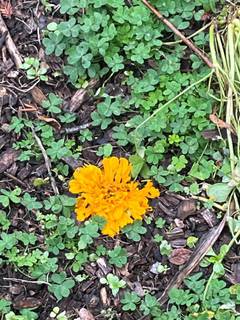
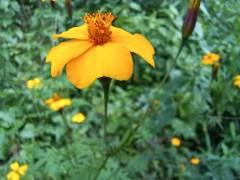
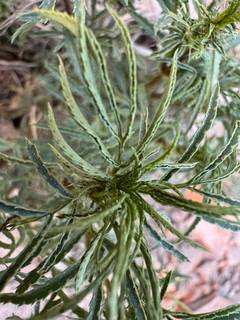
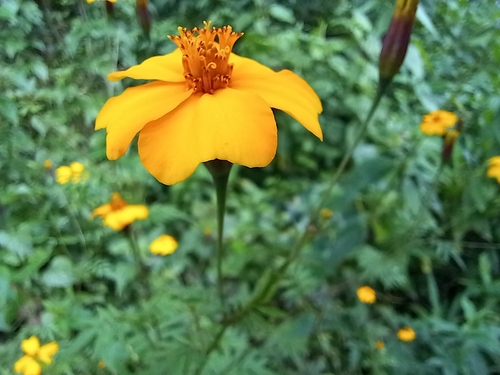
Tagetes is a genus of about 50 species of annual and perennial herbs in the family Asteraceae, native to the Americas with the greatest concentration of species in Mexico and Central America. Plants grow from 6 to 48 inches (15 to 120 cm) tall, forming branched, bushy mounds of pinnately divided leaves. The foliage carries scattered oil glands that release a pungent scent when bruised. Flower heads are borne singly or in clusters and measure 0.5 to 4 inches (1 to 10 cm) across, with ray florets in yellow, orange, red, mahogany, and bicolored combinations surrounding a central disc. Garden marigolds derive mainly from T. erecta, with tall stems and large double heads, and T. patula, which is shorter with smaller single or double heads; T. tenuifolia bears many small single flowers, and T. lucida is grown for its anise-scented leaves. Most cultivated forms flower without pause from early summer until frost. The genus produces thiophenes in its roots and foliage, compounds linked to suppression of certain soil nematodes. Seed forms in narrow black achenes tipped with a small tuft, and self-sown seedlings appear freely in warm climates.
Native Range
Native to the Americas, with the center of diversity in Mexico and Central America. Several species extend south through the Andes and across South America, and a few reach into the southwestern United States.How to Identify
Appearance
Size & Dimensions
Height6" - 4'
Width/Spread6" - 2'
Bloom Information
Flowering runs from early summer through the first autumn frosts, roughly June to October in temperate gardens. Heads open in succession over many weeks, and removal of spent heads extends the flowering period. In frost-free regions some species flower nearly year-round.
Detailed Descriptions
Flower Description
yellow, orange, red, and mahogany, often bicoloredFoliage Description
green to dark greenGrowing Conditions
Sun Requirements
Requires 6-12 hours of direct sunlight daily
• Full Sun: 6+ hours of direct sunlight
• Partial Shade: 3-6 hours of direct sunlight
• Full Shade: Less than 3 hours of direct sunlight
Water & Climate
Water Needs
Drought Tolerance
Drought tolerant when established
Care & Maintenance
Care Guide
Tagetes species grow in full sun and well-drained soil of moderate fertility, tolerating poor and dry ground once established. Seed germinates quickly in warm soil, and plants reach flowering size within two to three months of sowing. Rich soil and shade produce lank growth and fewer flowers. Even moisture supports continuous bloom, though established plants withstand short droughts. Tall forms of T. erecta may need staking in exposed sites to keep stems from bending under heavy heads.Pruning
Pinching young plants at 4 to 6 inches (10 to 15 cm) tall encourages branching and more flowering stems. Removing faded heads through the season maintains bloom and limits self-seeding. Cutting leggy plants back by one-third in midsummer prompts a fresh flush of growth.Container Growing
Suitable for container growing
Minimum container size: 1 gallons
Toxicity
Non-toxicPlanting Guide
Planting Methods & Timing
Planting Method
both
Indoor Start
6 weeks before last frost
Direct Sow Timing
After the last spring frost, once soil reaches 65 to 70F (18 to 21C)
Days to Maturity
45–90 days
Plant Spacing
10 inches