Syzygium, Genus, paniculatum, Species,
- Genus & species
Magenta lilly pilly
Overview
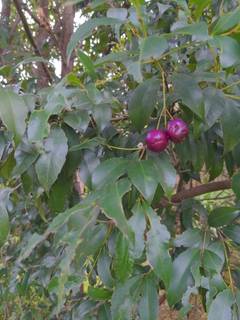
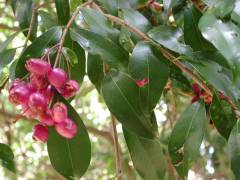
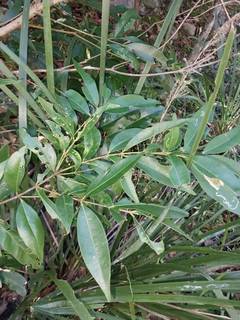
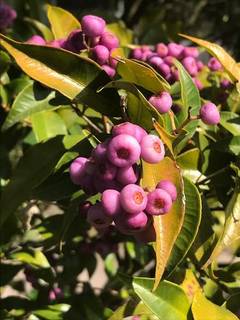
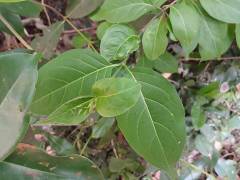
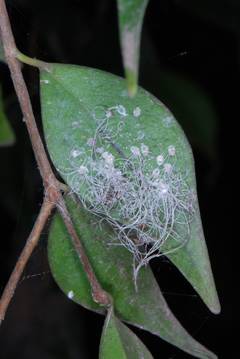
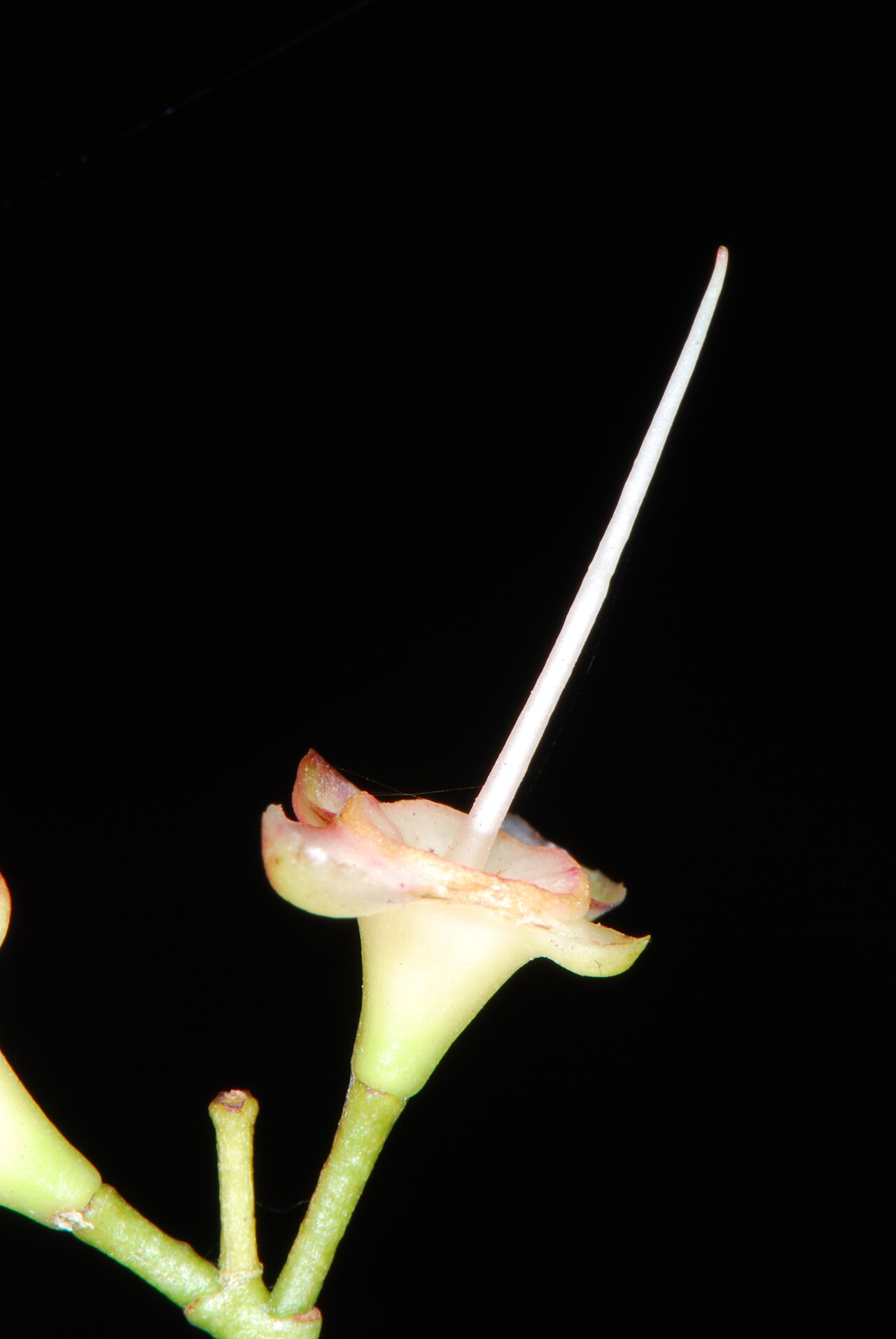
Syzygium paniculatum is an evergreen tree growing 15-25 feet (4.5-8 m) tall and 10-15 feet (3-4.5 m) wide in gardens, and to 50 feet (15 m) in undisturbed rainforest. The crown is dense and columnar when young, rounding with age, over flaky grey-brown bark. Leaves are opposite, elliptic to obovate, 1.5-3 inches (4-8 cm) long, glossy dark green with a blunt or rounded tip, and marked with translucent oil dots visible against the light; new growth flushes bronze-pink to coppery red for two to three weeks. Terminal panicles carry white to cream flowers 0.3-0.5 inch (8-13 mm) across, made up largely of stamens, over four to six weeks in summer. Fruit is a globular magenta to purple-red berry 0.6-0.8 inch (15-20 mm) across with crisp, tart-sweet flesh, ripening through autumn and winter. The species is listed as Vulnerable under Australian Commonwealth legislation and Endangered in New South Wales, with wild stands reduced to a narrow coastal strip. Psyllid insects raise pimple-like galls on new leaves in cultivation, distorting successive flushes. Young plants are damaged by frost below about 30 F (-1 C). Hardy in USDA zones 9-11.
Native Range
Syzygium paniculatum is native to a narrow coastal strip of New South Wales, Australia, from Bulahdelah in the north to the Conjola area in the south. It grows in littoral rainforest, in gallery rainforest along creeks, and on sandy soils immediately behind coastal dunes, at elevations under 250 feet (75 m). Wild stands are small and fragmented, and clearing of coastal land for development is the recorded cause of the decline.Suggested Uses
Grown as a clipped screening hedge at 3-8 feet (90-240 cm), as a street and courtyard tree in frost-free zones, and as a windbreak in coastal gardens, spaced 3-4 feet (90-120 cm) apart for hedging and 10-12 feet (3-3.7 m) for specimens. The fruit is eaten fresh and made into jams and jellies. Container culture works in pots of 15 gallons (57 L) or larger for balcony screening, with clipping twice a year.How to Identify
Appearance
Size & Dimensions
Height15' - 50'
Width/Spread10' - 15'
Bloom Information
Panicles open over four to six weeks, between November and February in the southern hemisphere and between May and July in northern hemisphere plantings. Flowers form at the tips of current season shoots, so clipping a hedge in late spring removes the flowering wood along with the fruit that would follow. The white stamen bundles carry nectar taken by honeybees, native bees, and honeyeaters in Australia. Fruit follows three to four months after flowering and colours over two to three weeks.
Detailed Descriptions
Flower Description
White to creamFoliage Description
Glossy dark green, with bronze-pink to coppery red new growthGrowing Conditions
Sun Requirements
Requires 4-10 hours of direct sunlight daily
• Full Sun: 6+ hours of direct sunlight
• Partial Shade: 3-6 hours of direct sunlight
• Full Shade: Less than 3 hours of direct sunlight
Care & Maintenance
Care Guide
Growth is fastest in full sun to light shade with four or more hours of direct light; deep shade produces open, drawn growth and little fruit. The species grows in humus-rich, free-draining soil at pH 5.5-7.0 and tolerates sand, loam, and clay that drains, along with salt-laden coastal wind. Roughly 1-1.5 inches (2.5-4 cm) of water per week suits young plants for the first three years, after which the tree carries two to three weeks between waterings but sheds leaves in extended drought. A 3-inch (8 cm) mulch of bark or leaf litter over the root zone holds moisture and moderates soil temperature. A balanced slow-release fertiliser low in phosphorus, applied in early spring and again in midsummer, supports hedge regrowth. Psyllid damage on new flushes is lowered by planting selected resistant cultivars and by cutting away distorted shoots at each clipping.Pruning
Hedges are clipped two or three times a year, with the first cut as the spring flush hardens and the last in early autumn, holding the plant at any height from 3 feet (90 cm) upward. Cutting into bare inner wood produces slow and patchy regrowth, so each cut leaves green foliage on the shoot. Specimen trees are lifted by taking off lower branches to a clear trunk of 6 feet (1.8 m) over two or three seasons. Clipping through late spring removes the flower buds and with them the autumn fruit crop.Pruning Schedule
Prune: March–April & August–September
early springsummer
Container Growing
Suitable for container growing
Minimum container size: 15 gallons