Syzygium, Genus, spp., Multiple species,
- Genus
- Multiple species
waterberries
Old World tropics and subtropics: Africa, Asia, Australia, and the Pacific
Overview
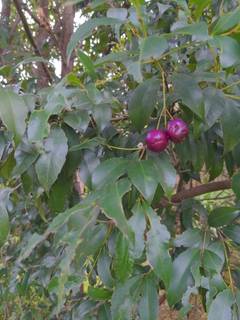
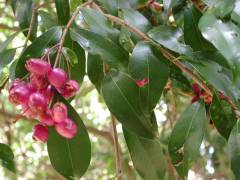
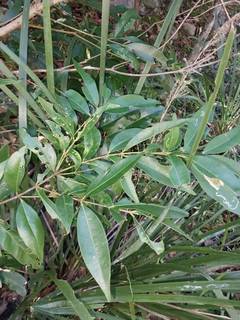
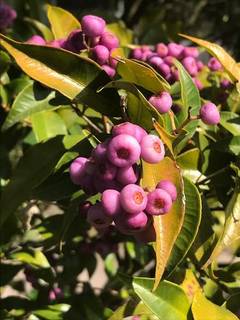
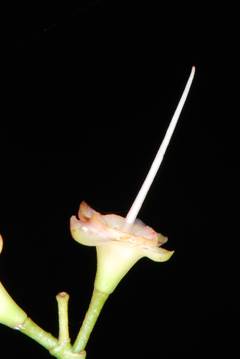
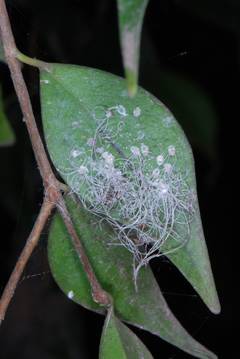
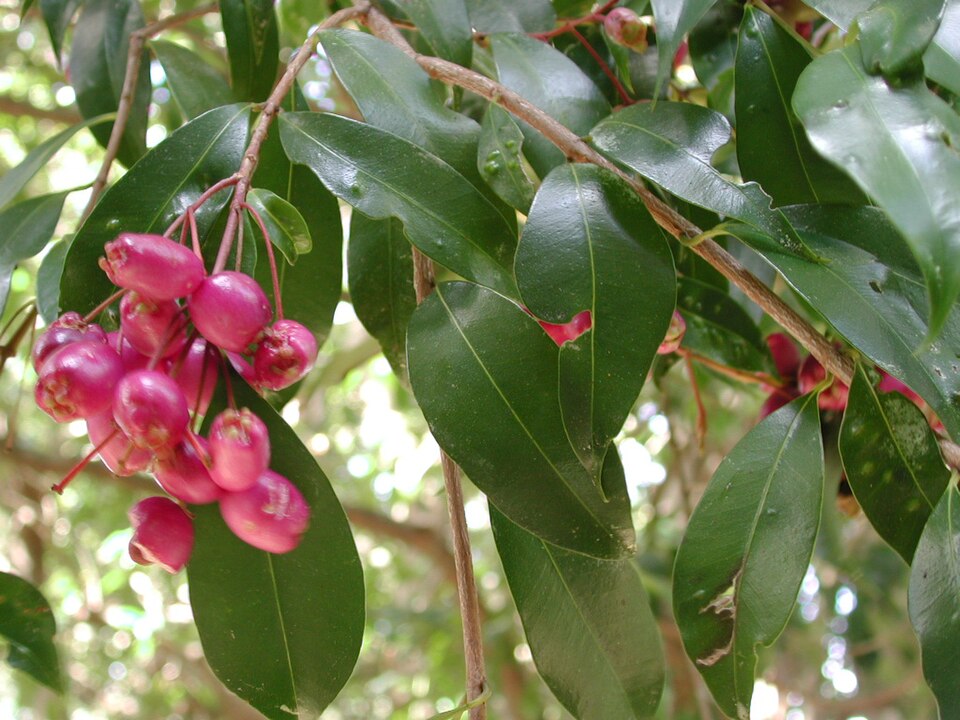
Syzygium is a genus of about 1,200 species of evergreen trees and shrubs in the myrtle family (Myrtaceae), distributed across tropical and subtropical Africa, Asia, Australia, and the Pacific islands. Plants range from low shrubs near 3 feet (1 m) to forest trees reaching 130 feet (40 m). The leaves are opposite, simple, and leathery, often 2-8 inches (5-20 cm) long, with a glossy upper surface and oil glands that release a scent when crushed. New growth in many species emerges red, pink, or bronze before turning green. Flowers are borne in clusters of four or five small petals and numerous projecting stamens, which form the visible part of the bloom in white, cream, pink, or red. The fruit is a fleshy berry 0.3-2 inches (8-50 mm) across, ranging from white and pink to purple-black, and is edible in many species including S. malaccense and S. jambos. The genus includes clove (S. aromaticum), grown for its dried flower buds. Most species are frost-sensitive and limited to USDA zones 9-12, which restricts outdoor cultivation in temperate regions. Several Australian species are grown as hedges and screens, though some are subject to psyllid damage that distorts new foliage.
Native Range
The genus is native to the Old World tropics and subtropics, with its greatest diversity in Southeast Asia, Malesia, and northeastern Australia. Species also occur in sub-Saharan Africa, Madagascar, the Indian subcontinent, and across the Pacific to New Caledonia.Suggested Uses
Shrubby species are used as hedges, screens, and topiary in frost-free gardens, spaced 3-6 feet (0.9-1.8 m) apart. Tree species are planted as shade and street trees in tropical and subtropical regions, and several are grown for edible fruit. Compact forms are grown in large containers on patios.How to Identify
Appearance
Size & Dimensions
Height3' - 130'
Width/Spread3' - 30'
Bloom Information
Flowering occurs mainly in spring and summer, though tropical species may bloom intermittently through the year. Individual flower clusters are short-lived, but the projecting stamens make flowering periods conspicuous over several weeks. Fruit follows within one to three months of bloom.
Detailed Descriptions
Flower Description
white, cream, pink, or redFoliage Description
glossy green, with red to bronze new growthGrowing Conditions
Sun Requirements
Requires 6-10 hours of direct sunlight daily
• Full Sun: 6+ hours of direct sunlight
• Partial Shade: 3-6 hours of direct sunlight
• Full Shade: Less than 3 hours of direct sunlight
Care & Maintenance
Care Guide
Most Syzygium species grow in full sun to part shade in moist, well-drained soils with a pH of 5.5-7.0. Consistent moisture sustains active growth, and brief dry spells are tolerated once plants are established, though prolonged drought causes leaf drop. Frost is the main limitation, with most species hardy only to USDA zones 9-12, although S. paniculatum withstands light frost to about 25F (-4C). Regular feeding during the warm season supports rapid growth. Psyllids, scale, and myrtle rust affect some species and can disfigure new foliage. Smaller species can be grown in containers in zones below 9 and moved indoors over winter.Pruning
Hedging species such as S. paniculatum and S. smithii tolerate regular shearing and are cut two or three times during the growing season to hold a formal shape. Tree species need little pruning beyond removal of crossing or damaged branches in late winter. Cutting into bare old wood produces slow regrowth in some species.Pruning Schedule
Prune: February & June
wintersummer
Container Growing
Suitable for container growing
Minimum container size: 10 gallons