Syncarpia, Genus, spp., Multiple species,
- Genus
- Multiple species
turpentine tree
Overview
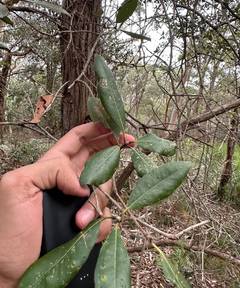
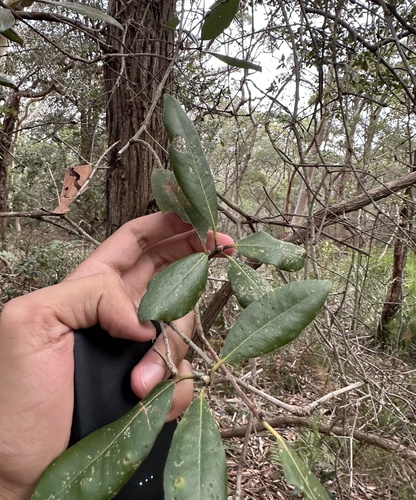
Syncarpia is a genus of about five species of evergreen trees in the myrtle family (Myrtaceae), endemic to eastern Australia. Plants form dense, columnar to rounded crowns and range from medium trees to forest giants; S. glomulifera, the turpentine, commonly reaches 80-115 feet (25-35 m) and occasionally 200 feet (60 m) on favourable sites. The thick, fibrous, deeply furrowed bark is reddish-brown and fire-resistant. Leaves are simple and appear whorled in fours because they cluster in opposite pairs at the stem tips; they are dark green above and paler, sometimes hairy, beneath. Small cream flowers fuse at their bases into compound heads of about seven, which develop into a single woody, multi-celled fruit, the feature that gives the genus its name from the Greek for joined fruit. The dense, interlocked timber is durable and resistant to marine borers and has been used for wharves and heavy construction. Syncarpia grows in warm-temperate rainforest and wet eucalypt forest on a range of soils but is frost-tender when young, which restricts cultivation to mild climates.
Native Range
Syncarpia is endemic to eastern Australia, where its species occur along the coast and ranges from north-eastern New South Wales into Queensland, with S. glomulifera the most widespread.Suggested Uses
Planted as a shade and specimen tree in parks, large gardens, and street plantings in mild climates, and used in forestry and revegetation for its durable timber and dense canopy. The fibrous bark and dense crown create habitat and nesting sites for birds.How to Identify
Appearance
Size & Dimensions
Height30' - 115'
Width/Spread20' - 50'
Bloom Information
Detailed Descriptions
Foliage Description
dark greenGrowing Conditions
Sun Requirements
Requires 6-12 hours of direct sunlight daily
• Full Sun: 6+ hours of direct sunlight
• Partial Shade: 3-6 hours of direct sunlight
• Full Shade: Less than 3 hours of direct sunlight