Syncarpia, Genus, glomulifera, Species,
- Genus & species
turpentine
Overview
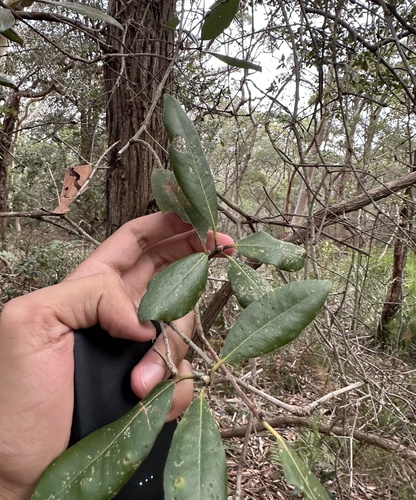
Syncarpia glomulifera is an evergreen tree in the myrtle family reaching 80-130 feet (25-40 m) tall, with a straight trunk and thick, fibrous, reddish-brown bark that is deeply furrowed and stringy. Leaves are arranged in apparent whorls of four, oval to elliptic, 1.5-4 inches (4-10 cm) long, dark green and glossy above, paler and softly hairy beneath. Small cream-white flowers are fused at the base into rounded compound heads about 0.6-1 inch (15-25 mm) across, opening in spring and early summer. These develop into woody compound capsules that hold the seed. Growth is slow to moderate. The dense, durable timber and thick bark make the tree strongly fire- and termite-resistant. Its large size and slow growth limit its use to large properties and parkland rather than small gardens.
Native Range
Native to eastern Australia, along the coast and ranges of New South Wales and southeastern Queensland. Grows in tall wet sclerophyll forest and rainforest margins on moist, fertile soils, from near sea level to about 3,300 feet (1,000 m).Suggested Uses
Grown as a shade, timber, and habitat tree in large gardens, parks, and rural plantings, spaced 30-50 feet (9-15 m) apart. The flowers and hollows of mature trees support birds, insects, and mammals. Its eventual size and slow growth limit its use to spacious sites well away from buildings.How to Identify
Appearance
Size & Dimensions
Height80' - 130'
Width/Spread30' - 50'
Bloom Information
Flowers in spring and early summer, mainly September to December. Flowering lasts about 4-6 weeks and varies in intensity between years. The cream flower heads draw nectar-feeding insects and birds. Woody seed capsules mature over the following months and hold seed on the tree.
Detailed Descriptions
Foliage Description
dark greenGrowing Conditions
Sun Requirements
Requires 5-10 hours of direct sunlight daily
• Full Sun: 6+ hours of direct sunlight
• Partial Shade: 3-6 hours of direct sunlight
• Full Shade: Less than 3 hours of direct sunlight
Care & Maintenance
Care Guide
Grows in moist, fertile, well-drained soil in full sun to part shade, with shelter when young. Water young trees through the first few summers; established trees draw on deep moisture and rainfall. The species tolerates a range of soils but grows most strongly in deep, moist ground. Few pests or diseases are serious. The thick bark gives the mature tree strong resistance to fire. Slow early growth means several years pass before the tree gains height.Pruning
Prune in late winter to remove dead or low limbs and to raise the crown on young trees. Formative pruning when young builds a sound branch structure. The tree reshoots from epicormic buds and a woody lignotuber after fire or damage. Large pruning wounds on old trees close slowly.Pruning Schedule
Prune: July–August
winter