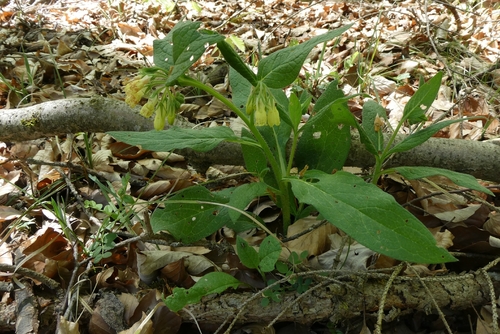
Symphytum, Genus, tuberosum, Species,
- Genus & species
tuberous comfrey
Central, southern, and eastern Europe and western Asia
Overview
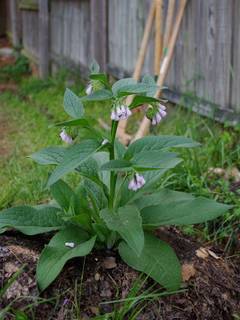
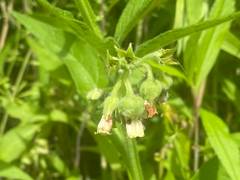
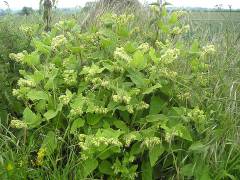
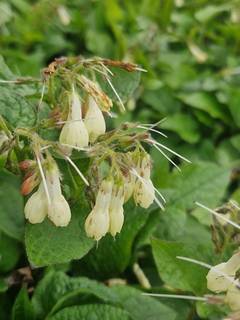
Symphytum tuberosum is a rhizomatous perennial 8-20 inches (20-50 cm) tall that spreads by thickened, tuberous underground stems to form loose colonies. The bristly, ovate to lanceolate leaves are 4-8 inches (10-20 cm) long, mid to dark green and rough to the touch. In late spring and early summer it bears nodding clusters of tubular, pale creamy-yellow flowers about 0.6 inch (15 mm) long at the stem tips. It grows in damp deciduous woodland, hedge banks, and shaded streamsides, tolerating deep shade better than open sun. Compared with common comfrey (S. officinale), it is shorter, spreads more slowly, and has yellow rather than purple or pink flowers, making it less aggressive in a garden setting. The roots and foliage contain pyrrolizidine alkaloids that are toxic to people and animals if eaten, and repeated handling of the bristly leaves can irritate skin. Top growth dies down in autumn and the plant overwinters as dormant tubers. Once settled it needs little attention and persists for many years in the same spot.
Native Range
Symphytum tuberosum is native to central, southern, and eastern Europe, extending into western Asia. It grows naturally in damp deciduous woodland, along shaded hedgerows, and on streambanks. It is naturalized in parts of Britain and northern Europe beyond its native range.Suggested Uses
Used as ground cover in shaded and woodland gardens, under deciduous trees and shrubs, and along damp shaded banks. It combines with ferns, hostas, and other woodland perennials. Its spreading habit and toxic foliage make it unsuited to small mixed borders or areas used by grazing animals.How to Identify
Appearance
Size & Dimensions
Height8" - 1'8"
Width/Spread1' - 2'
Bloom Information
Pale yellow tubular flowers appear from April to June in nodding terminal clusters. Each flower is around 0.6 inch (15 mm) long and is visited mainly by long-tongued bumblebees. Flowering lasts roughly four to six weeks before the plant sets seed and begins to die back.
Detailed Descriptions
Foliage Description
Mid to dark greenGrowing Conditions
Sun Requirements
Requires 2-6 hours of direct sunlight daily
• Full Sun: 6+ hours of direct sunlight
• Partial Shade: 3-6 hours of direct sunlight
• Full Shade: Less than 3 hours of direct sunlight