Styphnolobium, Genus, spp., Multiple species,
- Genus
- Multiple species
pagoda tree
Overview
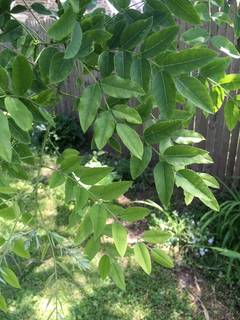
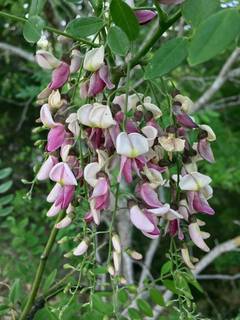
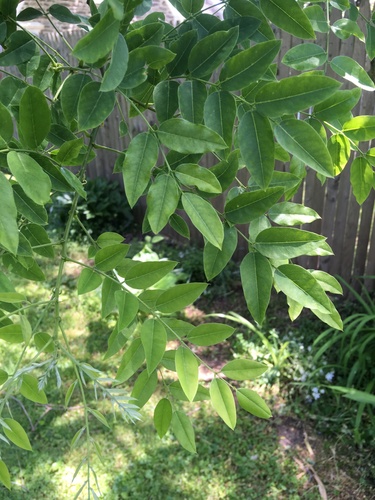
Styphnolobium is a small genus of about nine species of deciduous trees and shrubs in the legume family (Fabaceae), native to eastern Asia and North America and segregated from the genus Sophora. The most cultivated species, S. japonicum, the Japanese pagoda or scholar tree, grows 40-70 feet (12-21 m) tall with a broad, rounded crown and pinnately compound leaves of 7-17 leaflets. In late summer it carries large, branching panicles of creamy-white, pea-like flowers, later than most flowering trees, followed by knobby, constricted pods that look like beads on a string. S. affine, called Eves necklace, is a smaller tree of the south-central United States with pink-tinged flowers and black bead-like pods. Styphnolobium grows in full sun on deep, well-drained soils and tolerates heat, drought, urban conditions, and a range of pH once established. The seeds and pods contain toxic alkaloids and are poisonous if eaten. Young trees can be slow to start flowering, often taking several years, and the litter of fallen flowers and pods can be heavy.
Native Range
Styphnolobium is native to eastern Asia and North America. S. japonicum comes from China and Korea, despite its common name, while S. affine grows in the south-central United States, from Texas and Oklahoma into adjacent states. Trees occur in woodland, riverbanks, and rocky slopes.Suggested Uses
Styphnolobium is used as a shade and street tree in parks, large gardens, and urban plantings for its late-summer flowers and heat tolerance. S. affine suits smaller gardens and native plantings in the south-central United States. The heavy flower and pod litter limits use over paving and seating.How to Identify
Appearance
Size & Dimensions
Height20' - 70'
Width/Spread20' - 50'
Bloom Information
Flowering occurs in mid to late summer, generally July to August, weeks after most flowering trees finish. The branching sprays of creamy flowers open over two to three weeks and drop a carpet of petals beneath the tree. Bead-like pods develop through autumn and may persist into winter.
Detailed Descriptions
Flower Description
creamy-white to pink-tingedFoliage Description
greenGrowing Conditions
Sun Requirements
Requires 6-12 hours of direct sunlight daily
• Full Sun: 6+ hours of direct sunlight
• Partial Shade: 3-6 hours of direct sunlight
• Full Shade: Less than 3 hours of direct sunlight