Stipa, Genus, spp., Multiple species,
- Genus
- Multiple species
needle grasses
Overview
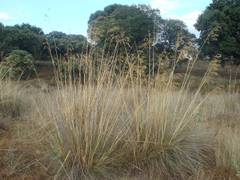
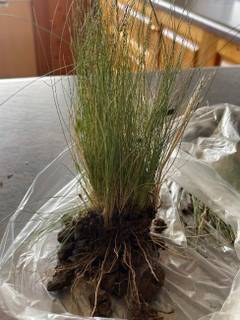
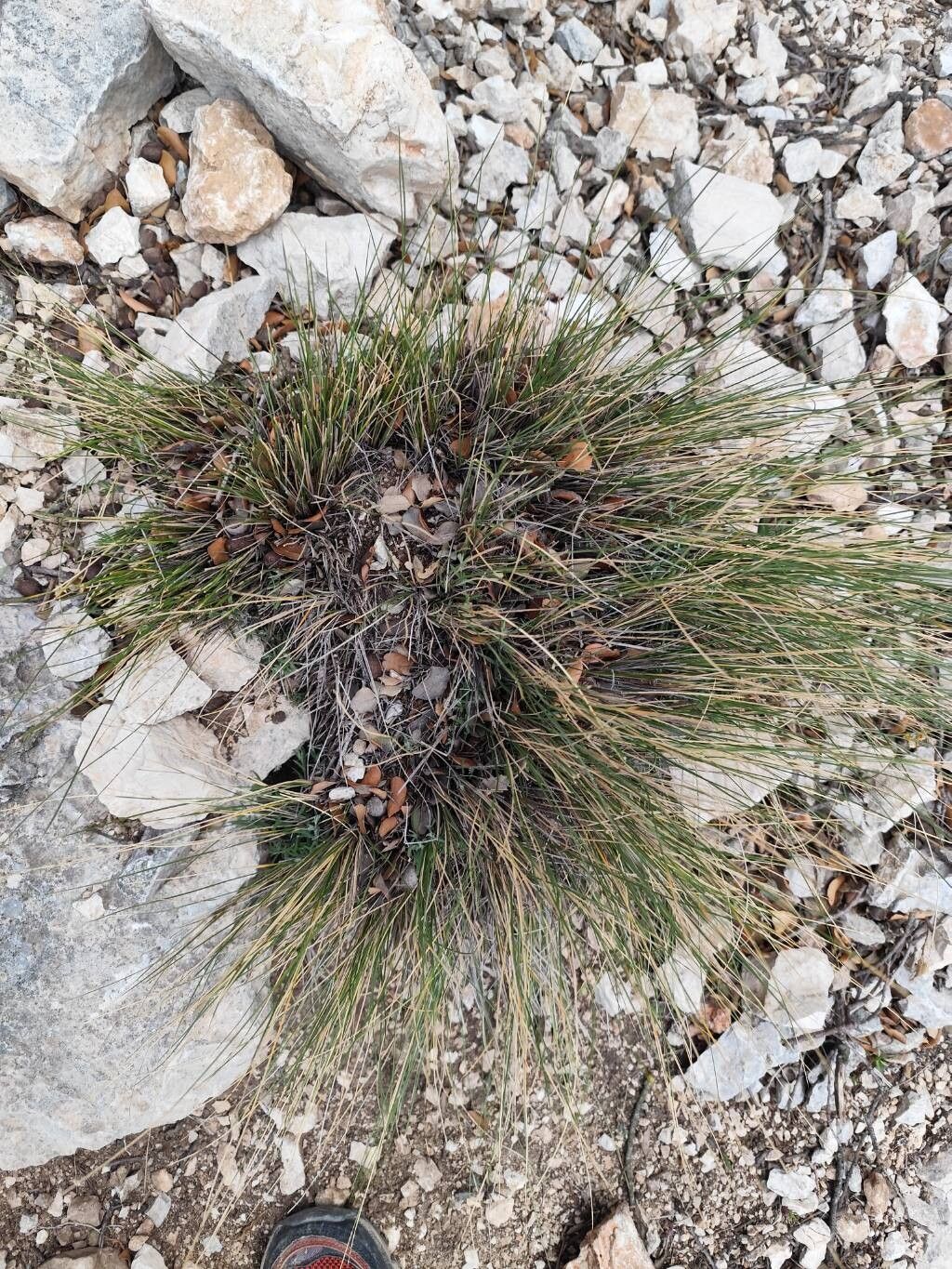
Stipa is a genus of perennial bunchgrasses in the grass family, grown for feathery flower heads and long, twisting awns. Plants form dense tufts of narrow, often rolled leaves 8-30 inches (20-75 cm) long, with flowering stems rising 1-8 feet (0.3-2.4 m) tall by species. The flowers are carried in loose to narrow panicles, each seed tipped with a slender awn that ranges from 1 to 12 inches (2.5-30 cm) long, straight or bent and often feathered, catching light and wind. In S. gigantea the golden, oat-like spikelets hang on tall airy stems, while S. pennata bears silky white plumes. The sharp-pointed seeds and stiff awns can work into clothing, animal coats, and skin, and in pasture they can injure grazing livestock. Most species are warm-climate, drought-tolerant grasses of open ground, growing in full sun and tolerating poor, dry soils. Foliage is green to blue-green, fading to straw color in winter, and many species are evergreen to semi-evergreen in mild areas. Some, such as the plant long sold as Stipa tenuissima, self-seed freely and have become weedy where introduced. Clumps are long-lived but can die out in the center with age.
Native Range
The genus Stipa is native to warm-temperate grasslands, steppes, and dry hills across southern Europe, the Mediterranean, and Asia, and in its broad sense the Americas, though many New World species have been moved to Nassella, Hesperostipa, and related genera. Plants grow in open, sunny, dry sites on poor soils, from lowland steppe to rocky mountain slopes. Several ornamental species come from southern Europe and the Mediterranean.Suggested Uses
Grown in gravel gardens, dry borders, prairie-style plantings, and containers, spaced 12-24 inches (30-60 cm) apart, and massed for the movement of the awned heads in wind. Used on dry banks and in Mediterranean and naturalistic gardens where soil drains freely. The seed heads are also cut for dried arrangements.How to Identify
Appearance
Size & Dimensions
Height1' - 8'
Width/Spread1' - 3'
Bloom Information
Flowers from late spring through summer, generally May through August, with timing varying by species and climate. The awned seed heads form in early summer and persist for weeks, catching light and moving in the wind, before shattering and dropping seed. S. gigantea flowers in early summer and holds its heads into autumn. Flowering is heaviest in full sun.
Detailed Descriptions
Flower Description
green to golden, with silvery or buff awnsFoliage Description
green to blue-green, straw in winterGrowing Conditions
Sun Requirements
Requires 6-12 hours of direct sunlight daily
• Full Sun: 6+ hours of direct sunlight
• Partial Shade: 3-6 hours of direct sunlight
• Full Shade: Less than 3 hours of direct sunlight
Care & Maintenance
Care Guide
Grows in full sun in light, well-drained soil, tolerating drought, heat, and poor ground once established; wet or rich soil causes soft growth and rot. Plants are watered only to establish, after which most need no irrigation. Evergreen species are combed through with gloved hands in spring to remove dead blades rather than cut hard, while deciduous species are cut back before new growth. Self-seeding can be heavy in species such as the one sold as Stipa tenuissima, producing many volunteers in open ground. Little feeding is needed. Clumps may be divided in spring when the centers die out.Pruning
Cut deciduous species back to a few inches in late winter before new growth begins. Comb or rake evergreen and semi-evergreen species in spring to pull out dead blades, as cutting them hard can damage the clump. Remove spent flower stems after seed drops to limit self-seeding. Divide tired clumps in spring.Container Growing
Suitable for container growing
Minimum container size: 3 gallons