Sorghum, Genus, spp., Multiple species,
- Genus
- Multiple species
Johnsongrasses, milos, sudangrasses, and allies
Africa, Asia, and Australia (tropics and subtropics)
Overview
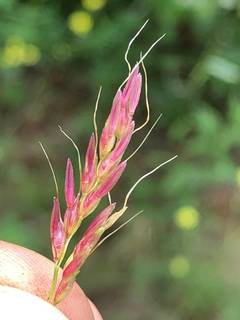
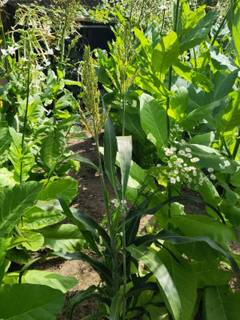
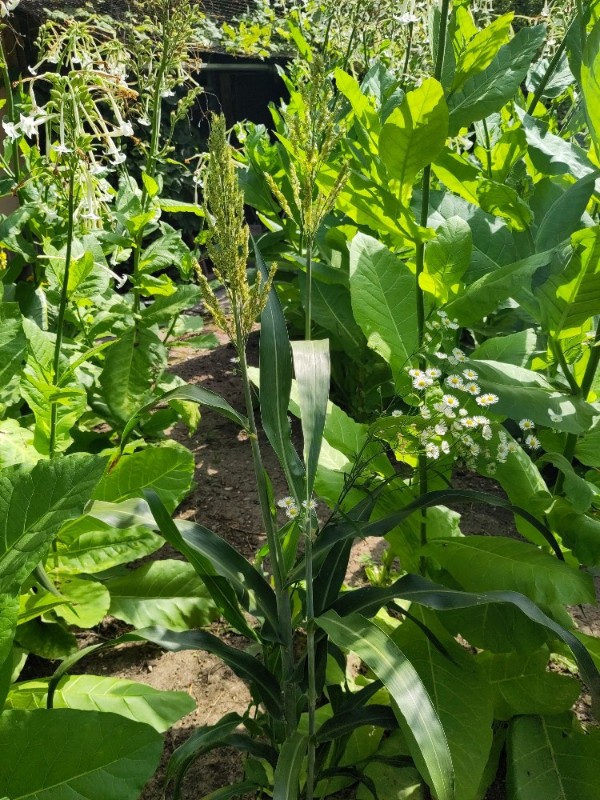
Sorghum is a genus of about 25 species of annual and perennial grasses in the family Poaceae, native to warm regions of Africa, Asia, and Australia. Plants grow 2-13 ft (0.6-4 m) tall on stout, often solid stems, with broad, flat leaf blades 1-3 in (2.5-8 cm) wide and large, branched seed panicles at the top. S. bicolor is a major cereal grown worldwide for grain, syrup, forage, and broom fibers, while S. halepense, Johnson grass, is a rhizomatous perennial that has become an invasive weed across warm regions. The panicles carry many small spikelets that ripen from green to red, brown, or tan grain. Young, wilted, or frost-damaged foliage can accumulate cyanogenic compounds and nitrates that poison grazing livestock. Most species tolerate heat and drought and grow in a wide range of soils. The rhizomatous perennials spread aggressively and are hard to remove once established.
Native Range
Sorghum is native to Africa, with additional species in Asia, the Middle East, and Australia. The cultivated grain sorghum S. bicolor was domesticated in northeastern Africa. Several wild and weedy species have spread to warm regions worldwide.Suggested Uses
Grown as a grain, syrup, forage, and biofuel crop, and as broomcorn for brush fibers. Ornamental forms with red or black seed heads appear in cut and dried arrangements and as tall annual screens. The seed heads supply food for grain-eating birds.How to Identify
Appearance
Size & Dimensions
Height2' - 13'
Width/Spread1' - 3'
Bloom Information
Flowering and grain set occur in summer and autumn, generally July to October, about two to four months after sowing in annual types. The wind-pollinated panicles shed pollen over one to two weeks. Perennial species flower repeatedly through the warm season.
Detailed Descriptions
Flower Description
green maturing to red, brown, or tanFoliage Description
greenGrowing Conditions
Sun Requirements
Requires 6-12 hours of direct sunlight daily
• Full Sun: 6+ hours of direct sunlight
• Partial Shade: 3-6 hours of direct sunlight
• Full Shade: Less than 3 hours of direct sunlight
Care & Maintenance
Care Guide
Plants grow in full sun and warm soil with a pH near 5.5 to 7.5, tolerating heat, drought, and poor or heavy soils more readily than many cereals. Annual grain and forage types are sown after the soil warms in late spring and harvested in autumn. Growth slows and foliage risks cyanide buildup under drought stress or after frost. Established plants need little water once rooted. Perennial species spread by rhizome and are contained where they are not wanted as a crop.Pruning
Annual types are cut at harvest once the grain or forage matures, and stubble is cleared after the season. Forage sorghum is mown or grazed when tall, then allowed to regrow. Johnson grass and other perennials are mown or removed before seed set to limit spread.Toxicity Warning
Toxic to petsPlanting Guide
Planting Methods & Timing
Planting Method
direct sow
Days to Maturity
90–120 days
Plant Spacing
6 inches