Scilla, Genus, spp., Multiple species,
- Genus
- Multiple species
squills
Europe, Mediterranean Basin, Middle East, Africa, and temperate Asia
Overview
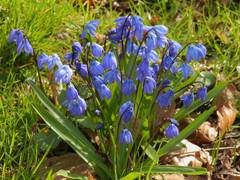
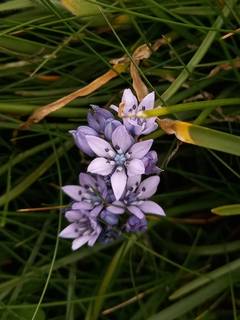
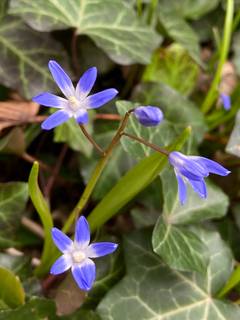
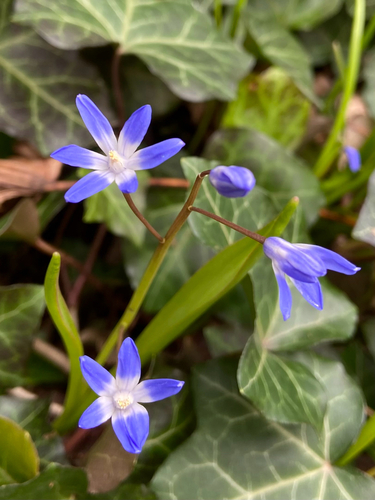
Scilla is a genus of about 80 species of bulbous perennials in the asparagus family (Asparagaceae), known as squills. Plants grow from small tunicate bulbs and reach 4-12 inches (10-30 cm) tall in flower, with a basal tuft of two to several strap-shaped leaves. The flowers are star- or bell-shaped, 0.3-0.8 inch (8-20 mm) across, and carried in loose to dense racemes, most often blue but also white, pink, and violet depending on the species. The majority bloom in early spring, emerging soon after snowmelt, while a few species flower in autumn. After flowering the foliage yellows and dies back, and the bulbs rest dormant through summer. All parts contain cardiac glycosides and saponins that are poisonous to people and pets if eaten. Native to temperate and Mediterranean regions of the Old World, several species naturalize freely and spread by offset bulbs and self-sown seed to form drifts. The bulbs are hardy and undemanding, needing only well-drained soil and a sunny to lightly shaded position. Scilla differs from related genera such as Chionodoxa, with which it is sometimes combined.
Native Range
Scilla is native to Europe, the Mediterranean Basin, the Middle East, Africa, and temperate Asia, growing in woodland, meadow, and mountain habitats. Several species have naturalized in North America and elsewhere as garden escapes.Suggested Uses
Planted in drifts for early-spring color in rock gardens, woodland edges, and under deciduous trees and shrubs. Squills naturalize in lawns and grassy banks where the foliage can be left to die back. The small bulbs also suit pots, troughs, and forced indoor displays.How to Identify
Appearance
Size & Dimensions
Height4" - 1'
Width/Spread3" - 6"
Bloom Information
Most Scilla flower in early spring, often appearing within days of the snow melting and lasting two to three weeks. A smaller group of species blooms in autumn on naked stems before the leaves appear. The early flowers are visited by bees and other insects emerging at the start of the season.
Detailed Descriptions
Flower Description
blue, white, pink, or violetFoliage Description
greenGrowing Conditions
Sun Requirements
Requires 4-8 hours of direct sunlight daily
• Full Sun: 6+ hours of direct sunlight
• Partial Shade: 3-6 hours of direct sunlight
• Full Shade: Less than 3 hours of direct sunlight
Care & Maintenance
Care Guide
Grow Scilla in full sun to part shade in well-drained soil with a pH of 6.0-7.5. Set the bulbs 2-4 inches (5-10 cm) deep and 2-4 inches (5-10 cm) apart in autumn, in a spot where they can stay undisturbed for years. Keep the soil moist during growth and flowering, then allow it to dry as the foliage fades and the bulbs enter summer dormancy. The bulbs are hardy in zones 3-8 and need no winter protection in that range. Congested clumps can be lifted and divided after the leaves die down if flowering thins. Bulb rot can occur in waterlogged ground, and the toxic bulbs are generally left alone by deer and rodents.Pruning
No pruning is needed beyond letting the foliage die down naturally after flowering so the bulbs can store energy for the next year. Spent flower stems can be removed to limit self-seeding where spread is not wanted. Faded leaves are cleared once they have yellowed completely.Container Growing
Suitable for container growing
Minimum container size: 1 gallons