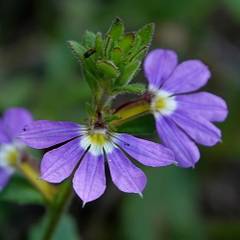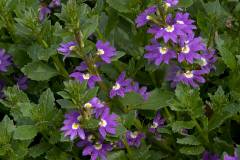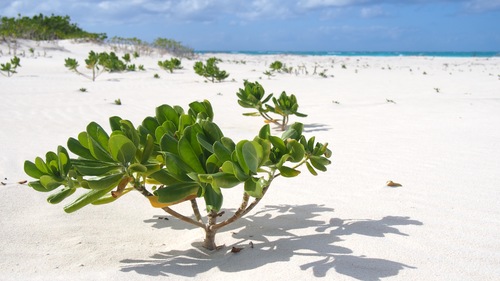
Scaevola, Genus, taccada, Species,
- Genus & species
beach naupaka
Overview
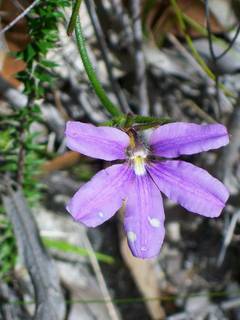
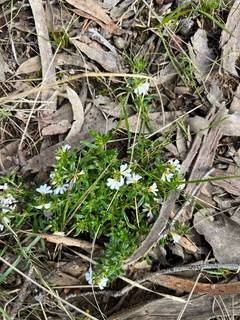
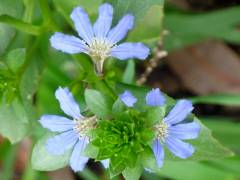
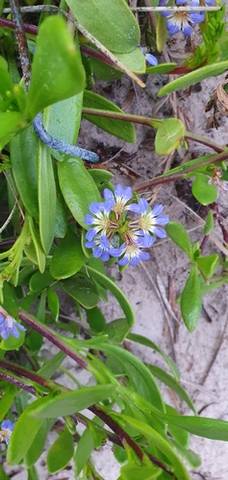
Scaevola taccada is an evergreen coastal shrub in the family Goodeniaceae, growing 3-10 feet (1-3 m) tall and often wider, with thick, succulent, light green leaves 3-8 inches (7.5-20 cm) long clustered toward the branch tips. The white to cream flowers are about 0.75-1 inch (2-2.5 cm) across and shaped like a half-fan, with all five lobes spread to one side, which gives rise to the names half-flower and naupaka. Round white fleshy fruits about 0.4 inch (1 cm) wide follow and float in seawater, dispersing the plant along shorelines. Native to coasts of the Indian and Pacific Oceans, from East Africa through tropical Asia to Hawaii and the Pacific islands, it grows on beaches, dunes, and rocky shores at the edge of the sea. It withstands salt spray, sandy soil, wind, and drought, which makes it a common dune-stabilizing and windbreak plant in the tropics. S. taccada is frost-sensitive and limited to frost-free climates. It has naturalized aggressively in Florida and the Caribbean, where it is listed as an invasive species and displaces native beach vegetation.
Native Range
Native to tropical coasts of the Indian and Pacific Oceans, from East Africa and Madagascar through southern Asia and northern Australia to Hawaii and the Pacific islands. It grows on sandy beaches, dunes, and rocky shorelines within the reach of salt spray.Suggested Uses
Used for dune stabilization, coastal hedging, windbreaks, and seaside landscaping in tropical and frost-free regions, spaced 4-6 feet (1.2-1.8 m) apart for screening. Its salt and wind tolerance suit beachfront and oceanside gardens where few other shrubs survive. In areas where it is classed as invasive, native coastal shrubs are planted in its place.How to Identify
Appearance
Size & Dimensions
Height3' - 10'
Width/Spread4' - 10'
Bloom Information
In frost-free climates it flowers and fruits more or less year-round, with flushes following rainfall. The small white half-flowers are borne in the leaf axils near the stem tips. White buoyant fruits are usually present alongside the flowers.
Detailed Descriptions
Flower Description
white to creamFoliage Description
light greenGrowing Conditions
Sun Requirements
Requires 6-12 hours of direct sunlight daily
• Full Sun: 6+ hours of direct sunlight
• Partial Shade: 3-6 hours of direct sunlight
• Full Shade: Less than 3 hours of direct sunlight
Care & Maintenance
Care Guide
Grow S. taccada in full sun in sandy, fast-draining soil and it grows in the harsh conditions of coastal sites with salt spray, wind, and reflected heat. It is highly drought and salt tolerant once established and needs little or no irrigation in suitable climates. It does not tolerate frost or prolonged cold and grows only in tropical and frost-free subtropical areas. Rich soil and heavy watering are unnecessary and can reduce its compact form. In Florida and other regions where it is invasive, planting is restricted and removal of existing plants is encouraged to protect native shoreline species.Pruning
It tolerates regular trimming and shearing, which keeps it dense as a hedge or low screen. Cutting back leggy stems restores a compact habit. Pruned stems can re-root from cuttings, which contributes to its spread in regions where it is invasive.Pruning Schedule
Prune: March–April
early spring
Container Growing
Suitable for container growing
Minimum container size: 7 gallons