Scaevola, Genus, spp., Multiple species,
- Genus
- Multiple species
fanflowers
Australia and tropical coasts worldwide
Overview
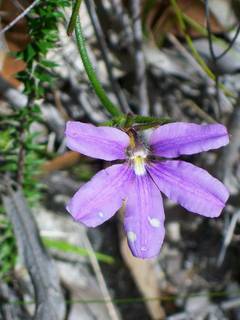
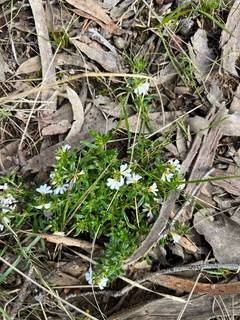
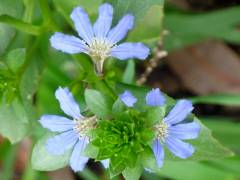
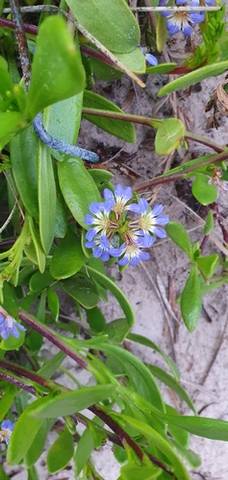
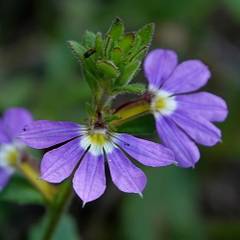
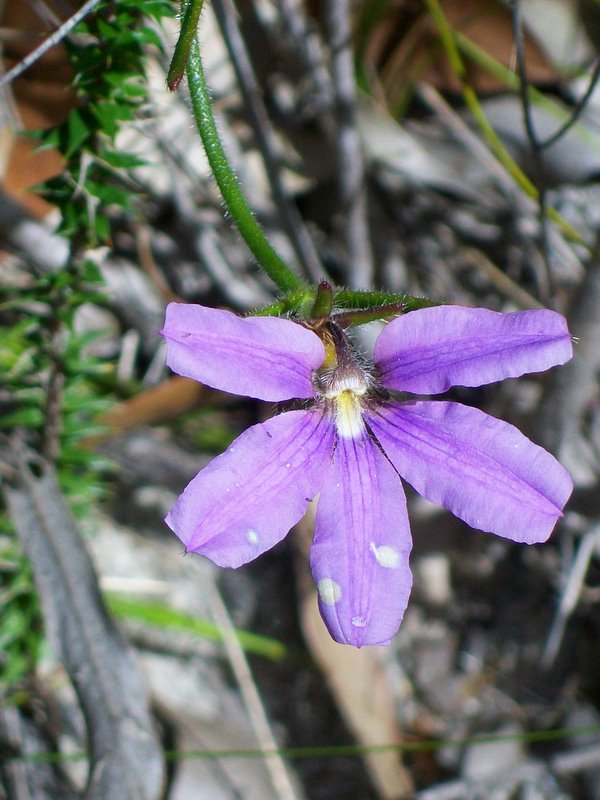
Scaevola is a genus of about 70 to 130 species of herbs, subshrubs, and shrubs in the family Goodeniaceae, known as fanflowers and centred on Australia, with some species on tropical coasts worldwide. The plants are recognised by their fan-shaped flowers, in which all five lobes are spread to one side like an open hand, in blue, mauve, purple, white, or yellow. Habit ranges from low, spreading, and trailing herbs to upright coastal shrubs, with most garden forms 6 to 18 inches (15 to 45 cm) tall and spreading wider. S. aemula, the fairy fan-flower, and its cultivars are grown as trailing bedding and container plants that flower from spring until frost. S. taccada, beach naupaka, is a salt-tolerant seaside shrub of tropical shores. Plants grow quickly in warm conditions, tolerate heat, wind, and salt, and flower over a long season with little deadheading. Most are frost tender, grown as annuals or container plants where winters are cold, and they rot in cold, wet soils. The genus is grown for its long display of fan-shaped flowers in beds, baskets, and coastal plantings.
Native Range
Scaevola is centred on Australia, where most species are found, with others in the Pacific, Asia, Africa, and the Americas. S. taccada grows on tropical and subtropical beaches around the world, including parts of Florida and Hawaii, where it can become invasive. The genus is not native to most of North America.Suggested Uses
Fanflowers are grown as trailing plants for hanging baskets, window boxes, and container edges, and as spreading ground cover and bedding in warm borders. The long bloom and heat tolerance suit them to summer pots and coastal gardens. S. taccada is used for dune and seaside planting in frost-free regions, though it is avoided where it has become invasive.How to Identify
Appearance
Size & Dimensions
Height6" - 1'6"
Width/Spread1' - 3'
Bloom Information
Garden fanflowers bloom from late spring until the first frost, flowering steadily through summer and autumn without needing deadheading. In frost-free climates they can flower year-round. The coastal shrub species flower over much of the warm season.
Detailed Descriptions
Flower Description
Blue, mauve, purple, white, or yellowFoliage Description
GreenGrowing Conditions
Sun Requirements
Requires 6-10 hours of direct sunlight daily
• Full Sun: 6+ hours of direct sunlight
• Partial Shade: 3-6 hours of direct sunlight
• Full Shade: Less than 3 hours of direct sunlight
Care & Maintenance
Care Guide
Scaevola grows in full sun to light shade in light, free-draining soil and tolerates heat, wind, coastal salt, and short dry spells once established. Plants flower most freely in warm, sunny positions in soil on the lean side, as rich, wet ground can cause soft growth and root rot. A soil pH from about 5.5 to 7.0 suits them. The bedding forms are frost tender, grown as annuals or in containers where winters are cold, and respond to light, regular feeding through the season. Trailing stems can be trimmed to keep plants neat. Few pests trouble them, though they dislike cold, soggy conditions.Pruning
Trailing stems are trimmed through the season to keep plants compact and full, and a light shear mid-season can renew flowering if growth thins. The bedding forms are pulled out at the end of the season in cold climates. Coastal shrubs are clipped after flowering to shape them.Container Growing
Suitable for container growing
Minimum container size: 2 gallons