Sapindus, Genus, mukorossi, Species,
- Genus & species
Chinese soapberry
Overview
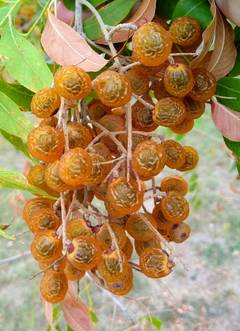
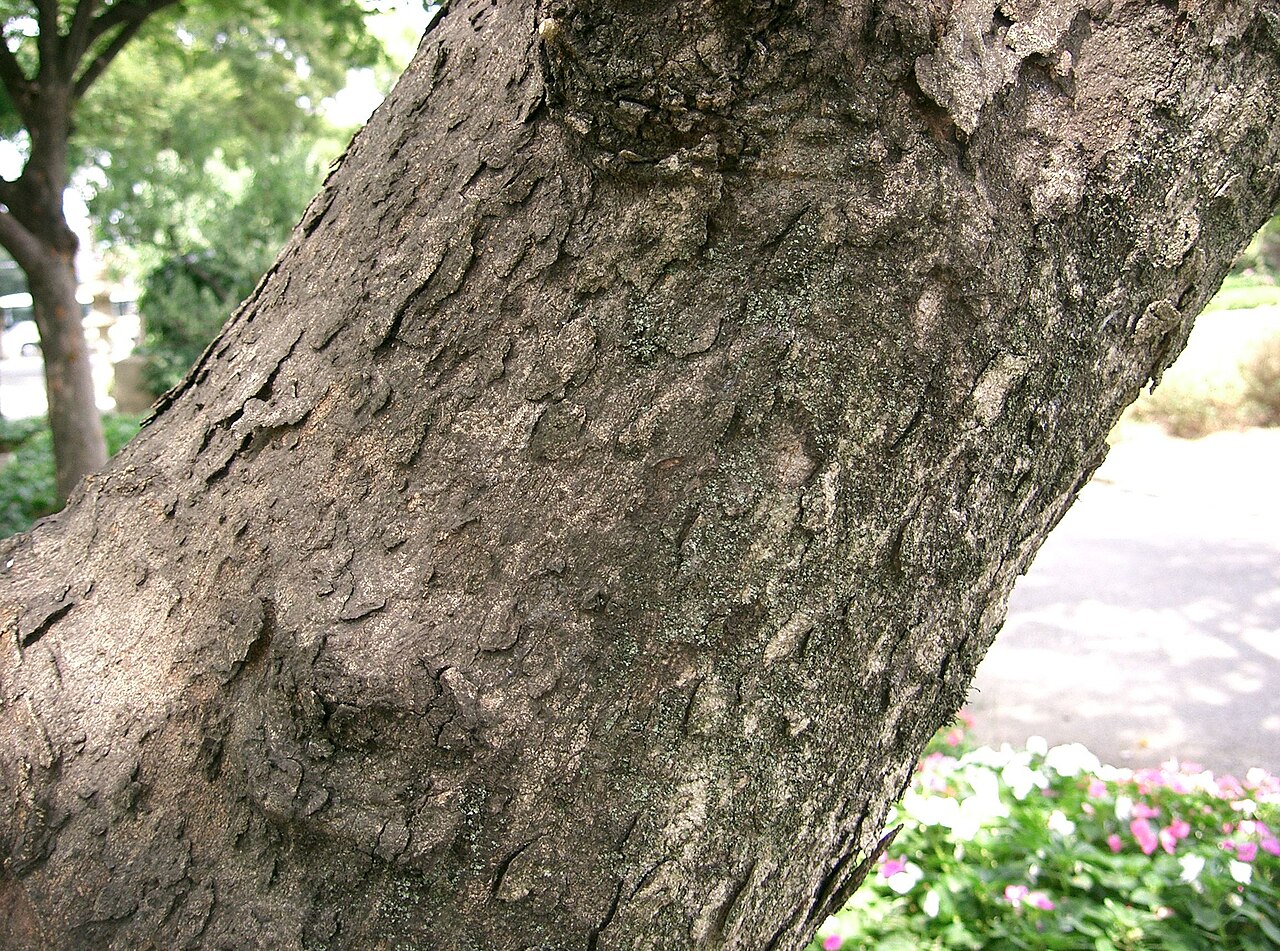
Sapindus mukorossi is a deciduous tree reaching 40–80 feet (12–24 m) tall with a rounded, spreading crown 30–40 feet (9–12 m) wide. Leaves are even-pinnate, 10–20 inches (25–50 cm) long, with 8–16 lance-shaped leaflets each 3–8 inches (8–20 cm) long, glossy green above and turning yellow in autumn before dropping. Bark is grey-brown and smooth on young trunks and becomes fissured with age. Small greenish-white flowers, about 0.2 inch (5 mm) across, open in terminal panicles 8–12 inches (20–30 cm) long in May–June. Globose drupes 0.8–1 inch (20–25 mm) in diameter ripen from green to translucent yellow-brown in October–November and persist after leaf drop; each encloses one black seed about 0.5 inch (12 mm) wide. The fleshy fruit wall contains saponins and forms a lather in water. Growth is 12–24 inches (30–60 cm) per year in warm climates, and seed-grown trees begin fruiting after roughly 8–10 years. Trees tolerate temperatures to about 14°F (−10°C), and young stems can be damaged by hard frost in zone 8. Fallen fruit accumulates beneath the canopy in autumn, and the large mature size limits use in small gardens.
Native Range
Native to the Himalayan foothills of India and Nepal, southern and central China, Taiwan, southern Japan, and mainland Southeast Asia. Grows in lowland and hillside forests, forest margins, and village groves at elevations up to 4,900 feet (1,500 m).Suggested Uses
Planted as a shade tree in parks and large gardens at 25–30 feet (7.5–9 m) spacing. The dried fruit wall is used in Asia as a natural detergent and shampoo ingredient. Mature size limits use in small gardens.How to Identify
Appearance
Size & Dimensions
Height40' - 80'
Width/Spread30' - 40'
Bloom Information
Flowers open in May–June in zones 8–10, in terminal panicles 8–12 inches (20–30 cm) long. Individual flowers are about 0.2 inch (5 mm) across and last several days, with total bloom lasting 3–4 weeks. Fruit develops from July and ripens in October–November.
Detailed Descriptions
Foliage Description
Glossy green, turning yellow in autumnGrowing Conditions
Sun Requirements
Requires 6-10 hours of direct sunlight daily
• Full Sun: 6+ hours of direct sunlight
• Partial Shade: 3-6 hours of direct sunlight
• Full Shade: Less than 3 hours of direct sunlight
Care & Maintenance
Care Guide
Trees grow in full sun in deep, well-drained loam, and tolerate clay and sandy soils at pH 5.5–7.5. Water weekly during the first 2 growing seasons; established trees tolerate dry spells of 3–4 weeks, though growth slows. Mature trees in fertile soil need no routine feeding. Young trees in zone 8 can suffer stem dieback below 14°F (−10°C). Fruit drop from October to December leaves sticky pulp beneath the canopy. Occasional pests include scale insects, and leaf spots develop in humid summers.Pruning
Young trees are structurally pruned in late winter to select a single central leader and well-spaced scaffold branches. Mature trees need only removal of dead or crossing wood, done in winter or early spring. Branches are removed at the branch collar.Pruning Schedule
Prune: February–March
winterearly spring