Sapindus, Genus, spp., Multiple species,
- Genus
- Multiple species
soapberry
Warm Americas, Asia, and the Pacific
Overview
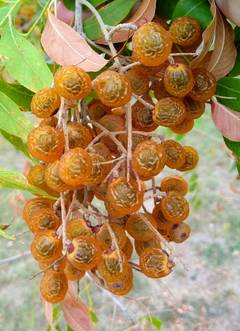
Sapindus is a genus of around a dozen species of deciduous and evergreen trees and shrubs in the soapberry family (Sapindaceae), found in warm temperate and tropical parts of the Americas, Asia, and the Pacific. Plants grow 15-50 ft (4.5-15 m) tall with spreading, rounded crowns and pinnately compound leaves 6-18 in (15-45 cm) long, divided into several narrow leaflets. Branched clusters of small whitish flowers open in late spring and summer, followed by round, amber to brown fruits about 0.5-0.8 in (12-20 mm) across, each enclosing one or more hard black seeds. The fleshy fruit walls are rich in saponins and have long been used as a natural soap, giving the genus its common names. Species grow on a range of soils in full sun and tolerate heat, drought, and poor ground once established. The fallen fruits and seeds can litter paving beneath the tree. Deciduous species turn yellow in autumn.
Native Range
Sapindus occurs in the warmer Americas from the southern United States to South America, and across southern and eastern Asia to the Pacific. Species grow in dry forest, woodland, riverbanks, and disturbed ground.Suggested Uses
Grown as a shade and street tree in warm climates, and in dry-climate and low-water landscapes. The fruits are harvested as a natural soap, and the hard seeds are used for beads.How to Identify
Appearance
Size & Dimensions
Height15' - 50'
Width/Spread15' - 40'
Bloom Information
Detailed Descriptions
Foliage Description
greenGrowing Conditions
Sun Requirements
Requires 6-10 hours of direct sunlight daily
• Full Sun: 6+ hours of direct sunlight
• Partial Shade: 3-6 hours of direct sunlight
• Full Shade: Less than 3 hours of direct sunlight
Care & Maintenance
Care Guide
Sapindus grows in full sun on a wide range of well-drained soils, from sandy to clay, and tolerates heat, drought, and urban conditions once established. A soil pH near 6.0-7.5 is suitable. Young trees benefit from regular water, after which the genus is largely self-reliant. Deciduous species drop their leaves and fruit in autumn, and the saponin-rich fruits can stain or litter paving below. Few serious pests or diseases affect it.Pruning
Prune in winter while deciduous species are dormant, removing dead, damaged, or crossing branches to build a strong, open crown. Young trees are shaped to a clear trunk, and little routine pruning is needed once the framework is set.Pruning Schedule
Prune: January–February
winter