Sanguisorba, Genus, officinalis, Species,
- Genus & species
Great burnet
Europe and temperate Asia, with populations in northwestern North America
Overview
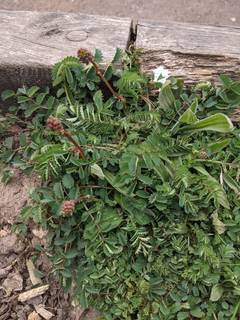
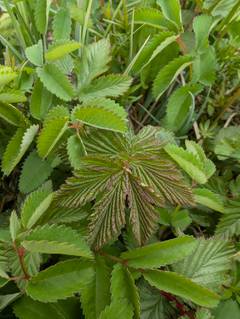
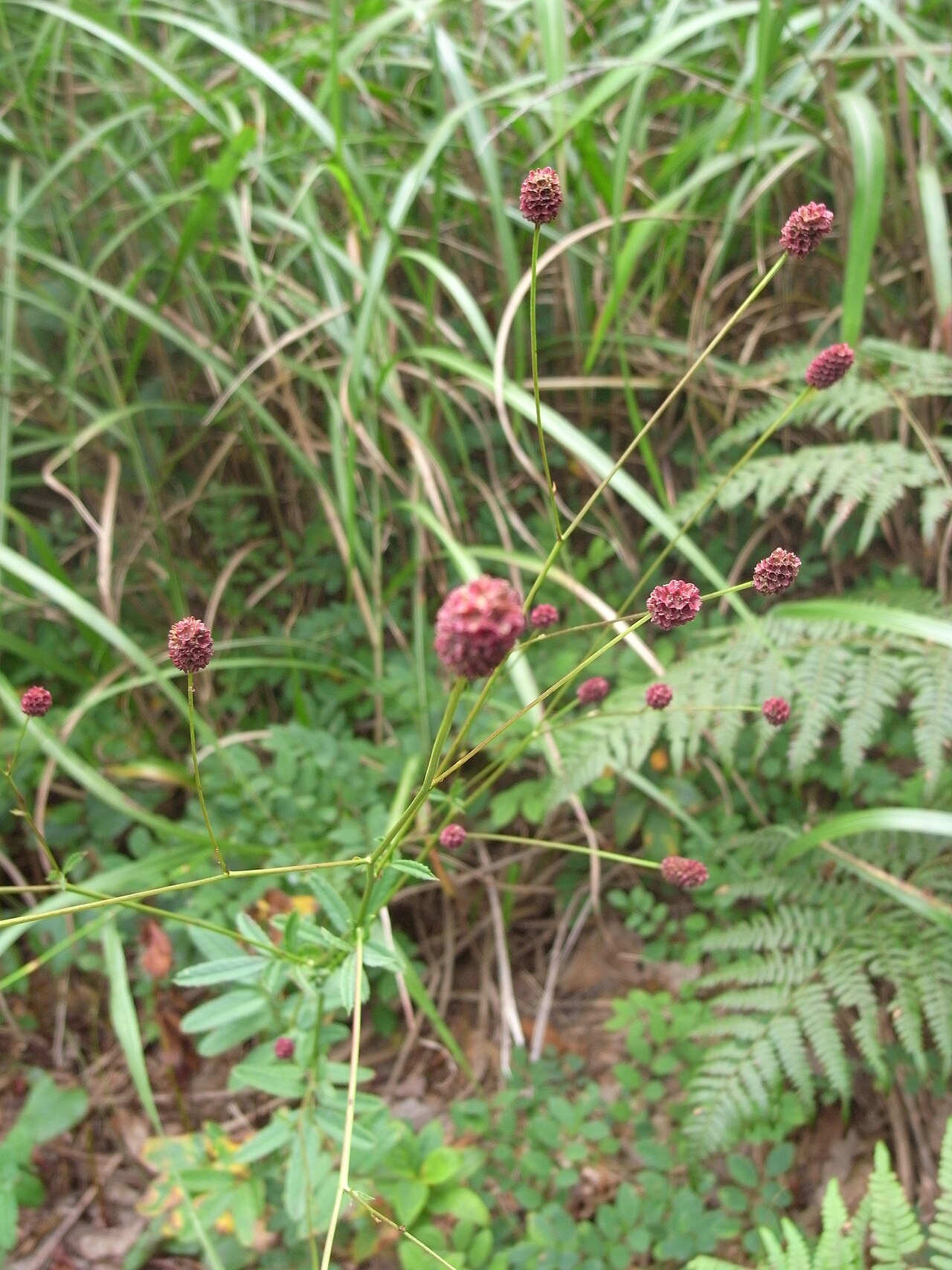
Sanguisorba officinalis is a herbaceous perennial forming a clump 24-48 inches (60-120 cm) tall and 18-24 inches (45-60 cm) wide from a thick rhizome. Basal leaves are pinnate, 6-12 inches (15-30 cm) long, with 7 to 15 ovate to oblong leaflets 0.8-1.6 inches (2-4 cm) long, blue-green above and toothed along the margin. Flowering stems are wiry, branched in the upper third, and carry dense oblong heads 0.4-1.2 inches (1-3 cm) long in deep maroon-red to purple-brown. The flowers have no petals; the colour comes from four sepals, and the stamens project only slightly. Heads open from June through September, from the top downward. Stems of 36-48 inches (90-120 cm) fall outward in soil of high fertility or under less than 4 hours of sun and need support from May in those positions. Foliage yellows and dies back after the first frosts. Plants establish slowly and reach full size in the third season, and drought during June and July browns the leaf edges and aborts developing heads.
Native Range
Sanguisorba officinalis grows in damp meadows, fen margins, riverside grassland, and open woodland across Europe and temperate Asia east to Japan, with populations in northwestern North America. It occupies neutral to slightly alkaline soils that stay moist through summer, from sea level to 8,200 feet (2,500 m). Populations in western Europe have declined with the drainage and reseeding of wet meadow.Suggested Uses
Planted in damp borders, prairie-style plantings, and pond margins at 18-24 inch (45-60 cm) spacing, where the thin stems rise through grasses without shading them. Used in wet meadow restoration on neutral soils, and the species is the larval host for the dusky large blue butterfly Phengaris nausithous in central Europe. Container culture uses pots of 5 gallons (19 L) or larger standing in a saucer of water, and cut stems hold 7-10 days in a vase.How to Identify
Appearance
Size & Dimensions
Height2' - 4'
Width/Spread1'6" - 2'
Bloom Information
Heads open from June through September in zones 4-8, with peak flowering in July and August. An individual head lasts 2-3 weeks and opens from the tip downward. Total bloom on a plant runs 10-12 weeks. Flowering is 2-3 weeks later on plants in part shade than on those in full sun, and drought in June shortens the season by 3-4 weeks.
Detailed Descriptions
Foliage Description
blue-greenGrowing Conditions
Sun Requirements
Requires 4-10 hours of direct sunlight daily
• Full Sun: 6+ hours of direct sunlight
• Partial Shade: 3-6 hours of direct sunlight
• Full Shade: Less than 3 hours of direct sunlight
Care & Maintenance
Care Guide
Soil stays moist through the growing season, and plants wilt and abort flower heads after 7-10 days of dry conditions in June and July. Plants take 1-1.5 inches (25-38 mm) of water weekly where rain is short, and they grow at pond margins and in ground that floods briefly through winter. Fertiliser is not applied, since added nitrogen produces stems that fall outward under the weight of the heads. Stems reaching 36-48 inches (90-120 cm) are supported with rings or brushwood from May in exposed positions. Powdery mildew develops on the basal foliage in dry late summers and marks the leaves without killing the plant. Clumps are divided in March or October every 4-5 years as the centre thins, and the thick rhizome is cut with a spade rather than pulled apart.Pruning
Flower stems are cut at the base in November, or left standing through winter, since the dark heads hold their shape on the stem until they break down in February. Dead foliage is cleared to the crown in March before new shoots emerge. Cutting the whole plant back by half in late May reduces final height by 8-12 inches (20-30 cm) and delays flowering by 10-14 days. Spent heads removed in July prompt a lighter second set of stems in September.Pruning Schedule
Prune: March & November
early springfall
Container Growing
Suitable for container growing
Minimum container size: 5 gallons