Sanguisorba, Genus, spp., Multiple species,
- Genus
- Multiple species
burnets
Overview
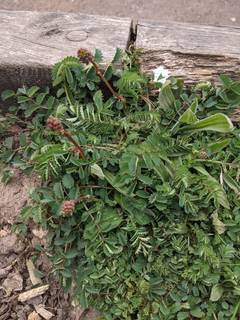
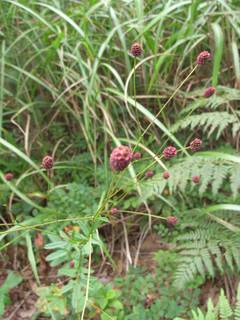
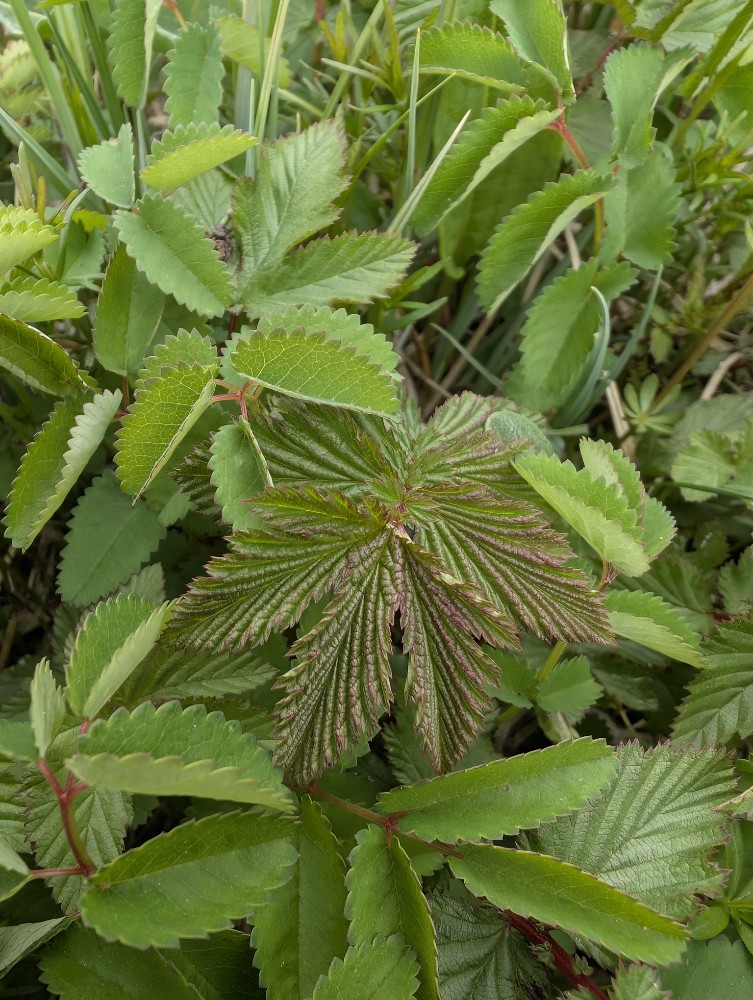
Sanguisorba is a genus of about 20 to 30 perennials in the rose family, grown for bottlebrush-like flower spikes and ferny, divided foliage. Plants form clumps of basal leaves with a flowering stem rising 1-6 feet (0.3-1.8 m) tall depending on species. The pinnate leaves are divided into many toothed, oval leaflets 0.5-2 inches (1-5 cm) long, blue-green and aromatic in some species, with S. minor smelling of cucumber when crushed. The small petalless flowers are packed into dense, rounded to cylindrical heads 0.5-3 inches (1-8 cm) long, held above the foliage; depending on species they are white, greenish, pink, or deep maroon-red, with prominent stamens giving a fuzzy look. Bloom runs from early summer into autumn, the upper flowers in each spike often opening first. Plants spread slowly by rhizomes or stay in tight clumps, and most grow in moist soil, with S. officinalis of damp meadows and S. minor of dry chalk grassland. Taller species can flop and may need support. S. minor, salad burnet, has long been grown as a salad and seasoning herb. Foliage dies back in winter, and clumps re-emerge from the crown in spring.
Native Range
The genus Sanguisorba is native across the temperate Northern Hemisphere, in Europe, Asia, and North America. Plants grow in damp meadows, streamsides, marsh edges, and moist grassland, with some species such as S. minor on drier chalk and limestone grassland. S. canadensis is native to wet meadows and bogs of eastern North America, while many ornamental species come from the mountains of China, Japan, and Korea.Suggested Uses
Grown in moist borders, prairie and meadow plantings, rain gardens, and beside ponds and streams, spaced 12-24 inches (30-60 cm) apart. The airy flower stems are used among grasses and late perennials in naturalistic plantings. S. minor is grown in herb gardens for its cucumber-flavored leaves.How to Identify
Appearance
Size & Dimensions
Height1' - 6'
Width/Spread1' - 3'
Bloom Information
Blooms from early summer into autumn, generally June through September, with timing varying by species. Each spike opens its flowers over one to three weeks, and a clump flowers for several weeks overall. Spring-sown plants may bloom the first year in mild areas. Cool, moist conditions extend the display.
Detailed Descriptions
Flower Description
white, green, pink, or maroon-redFoliage Description
blue-greenGrowing Conditions
Sun Requirements
Requires 4-10 hours of direct sunlight daily
• Full Sun: 6+ hours of direct sunlight
• Partial Shade: 3-6 hours of direct sunlight
• Full Shade: Less than 3 hours of direct sunlight
Care & Maintenance
Care Guide
Grows in full sun to part shade in moist, fertile soil that does not dry out, though S. minor also tolerates dry, alkaline ground. Plants are watered in dry spells, as drought causes leaf scorch and early dormancy in the moisture-dependent species. Taller species are given support or grown among sturdy neighbors to prevent flopping. Little feeding is needed in average soil. Clumps are divided every three to four years in spring to keep them vigorous. Foliage dies back in winter and is cleared before spring growth. Few pests trouble the genus, though powdery mildew can appear in dry summers.Pruning
Cut flowering stems back after bloom to limit self-seeding, or leave the dark seed heads for winter structure. Remove old foliage in late winter before new growth begins. Taller species are cut back by a third in late spring to reduce height and flopping. Division in spring renews crowded clumps.Container Growing
Suitable for container growing
Minimum container size: 3 gallons