Richea, Genus, spp., Multiple species,
- Genus
- Multiple species
richea
Tasmania and alpine southeastern Australia
Overview
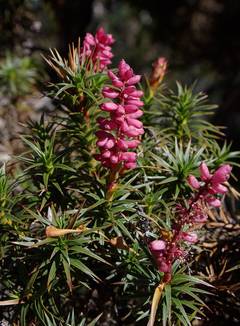
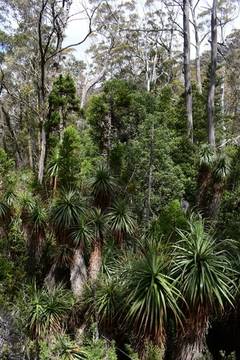
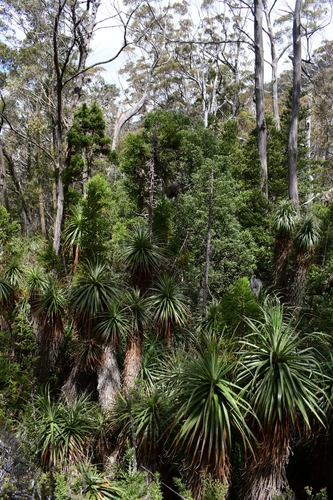
Richea is a genus of evergreen shrubs and small trees in the heath family (Ericaceae), with about eleven species concentrated in Tasmania and a few in mainland southeastern Australia. The genus spans a wide size range, from low alpine shrubs under 3 ft (0.9 m) to R. pandanifolia, a single-stemmed form reaching 30 ft (9 m). The stiff, narrow leaves are sheathing at the base and taper to a sharp point, crowded spirally so that shoots resemble those of a monocot; they range 1-24 in (2.5-60 cm) long across the genus. Flowers are small and packed into dense terminal or axillary spikes in white, cream, orange, pink, or red. A feature of the genus is the fused petals, which separate at the base and lift off as a small cap rather than opening outward. Most species grow in cool, wet, peaty alpine and subalpine habitats with high rainfall and sharp drainage, and they grow slowly. They tolerate poor, acidic soils but fail in dry, alkaline, or heat-prone sites.
Native Range
Richea is endemic to Australia, with the centre of diversity in the cool, wet mountains of Tasmania and outliers in alpine New South Wales and Victoria. Species grow in subalpine heath, moorland, and montane rainforest margins.Suggested Uses
Grown in cool-climate rock, peat, and alpine gardens, and in moist woodland settings with acidic soil. Taller species such as R. pandanifolia are used as feature plants in cool, high-rainfall gardens.How to Identify
Appearance
Size & Dimensions
Height1' - 30'
Width/Spread1' - 10'
Bloom Information
Flowering runs through spring and summer, roughly October to February in the native range, varying with altitude. The dense flower spikes hold their colour for several weeks, and the shed petal-caps often persist briefly on the spike before falling.
Detailed Descriptions
Flower Description
white, cream, orange, pink, or redFoliage Description
greenGrowing Conditions
Sun Requirements
Requires 4-8 hours of direct sunlight daily
• Full Sun: 6+ hours of direct sunlight
• Partial Shade: 3-6 hours of direct sunlight
• Full Shade: Less than 3 hours of direct sunlight
Care & Maintenance
Care Guide
Richea needs cool, moist, acidic conditions with high humidity and sharply drained peaty or sandy soils, conditions found in its alpine homeland. A soil pH of about 4.5-5.5 suits the genus, which is intolerant of lime and high phosphorus. Most species grow in full sun to part shade where summers stay cool and moisture is constant. They are slow-growing and resent root disturbance, heat, and prolonged dryness. Outside cool, high-rainfall climates the genus is difficult to maintain in cultivation.Pruning
Little pruning is needed beyond removing spent flower spikes and dead leaves. The genus does not reshoot reliably from old bare wood, so hard cutting back is avoided and any shaping is limited to young growth.Pruning Schedule
Prune: February–March
summerfall
Container Growing
Suitable for container growing
Minimum container size: 5 gallons