Rheum, Genus, spp., Multiple species,
- Genus
- Multiple species
Overview
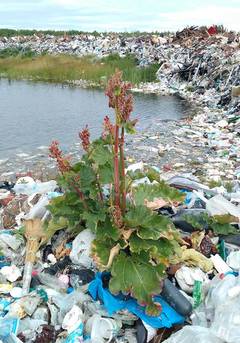
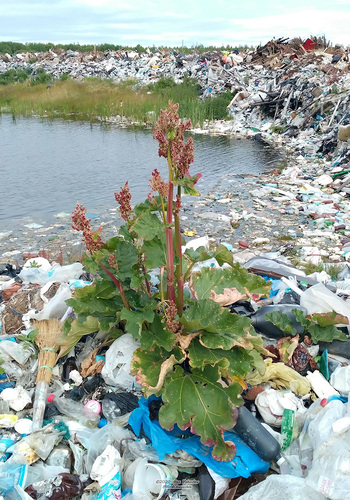
Rheum is a genus of about 60 herbaceous perennials in the family Polygonaceae, native to temperate and cool Asia and including garden rhubarb, Rheum rhabarbarum, and ornamental species such as Rheum palmatum. Plants grow from stout, branching rhizomes and form bold clumps 2-8 feet (0.6-2.4 m) tall in flower, with large basal leaves on thick, fleshy stalks. The leaf blades are 1-3 feet (30-90 cm) wide, rounded to triangular or deeply palmately lobed depending on species, with wavy or jagged margins and often red-tinted veins and stalks. Tall, branched flower spikes rise well above the foliage in late spring to summer, carrying many small cream, greenish, or red flowers, followed by winged, papery seeds. Growth is fast in the growing season; plants die back to the rhizome in winter and resprout in spring. The leaf stalks of garden rhubarb are eaten, while the leaf blades contain high levels of oxalic acid and are not edible. Clumps enlarge for many years and can be lifted and divided. In hot, dry sites the foliage scorches and plants go dormant early.
Native Range
Rheum is native to temperate and montane Asia, from the Caucasus, Siberia, and the Himalayas to China and Mongolia. Species grow in mountain meadows, rocky slopes, riverbanks, and steppe on deep, fertile, moist soils, often at high elevations with cold winters and cool summers.Suggested Uses
Garden rhubarb is grown in kitchen gardens for its edible stalks, spaced 3-4 feet (0.9-1.2 m) apart, while ornamental species such as Rheum palmatum are grown in borders, bog gardens, and beside water for their large leaves and tall spikes. The bold foliage suits damp, fertile sites and naturalistic plantings. Plants need room, as clumps reach 3-6 feet (0.9-1.8 m) across.How to Identify
Appearance
Size & Dimensions
Height2' - 8'
Width/Spread3' - 6'
Bloom Information
Flower spikes rise in late spring to early summer, generally May to July, lasting 2-4 weeks. Established plants flower more freely than young ones, and removing the spike directs energy into leaf and stalk growth. Seed ripens by midsummer on plants left to flower.
Detailed Descriptions
Flower Description
cream to greenish or redFoliage Description
green with red-tinted veinsGrowing Conditions
Sun Requirements
Requires 4-8 hours of direct sunlight daily
• Full Sun: 6+ hours of direct sunlight
• Partial Shade: 3-6 hours of direct sunlight
• Full Shade: Less than 3 hours of direct sunlight
Care & Maintenance
Care Guide
Plants grow in full sun to part shade on deep, fertile, moisture-retentive soil with good drainage, and respond to heavy feeding and mulch. Water through dry spells, since drought checks growth and pushes plants into early dormancy. Crowns rot in waterlogged winter soil, so a freely draining site matters in wet climates. Lift and divide congested clumps every 5-10 years in autumn or early spring, replanting sections with at least one bud. Crown rot, leaf spot, and slugs are the main problems. The leaf blades contain oxalic acid and are toxic if eaten, though the leaf stalks of garden rhubarb are edible.Pruning
Remove flower spikes as they emerge to keep growth in the leaves and stalks. Pull or cut spent and yellowing leaves through the season, and clear dead foliage after winter dieback. Lifting and dividing every 5-10 years renews crowded clumps.Pruning Schedule
Prune: May–June
late springsummer