Image 1 of 3
1 / 3
Plant Reference
Rheum, Genus, palmatum, Species, 'Atrosanguineum', Cultivar,
- Genus & species
- Cultivar
ornamental rhubarb
China (western and northwestern provinces — Sichuan, Gansu, Qinghai)
Overview
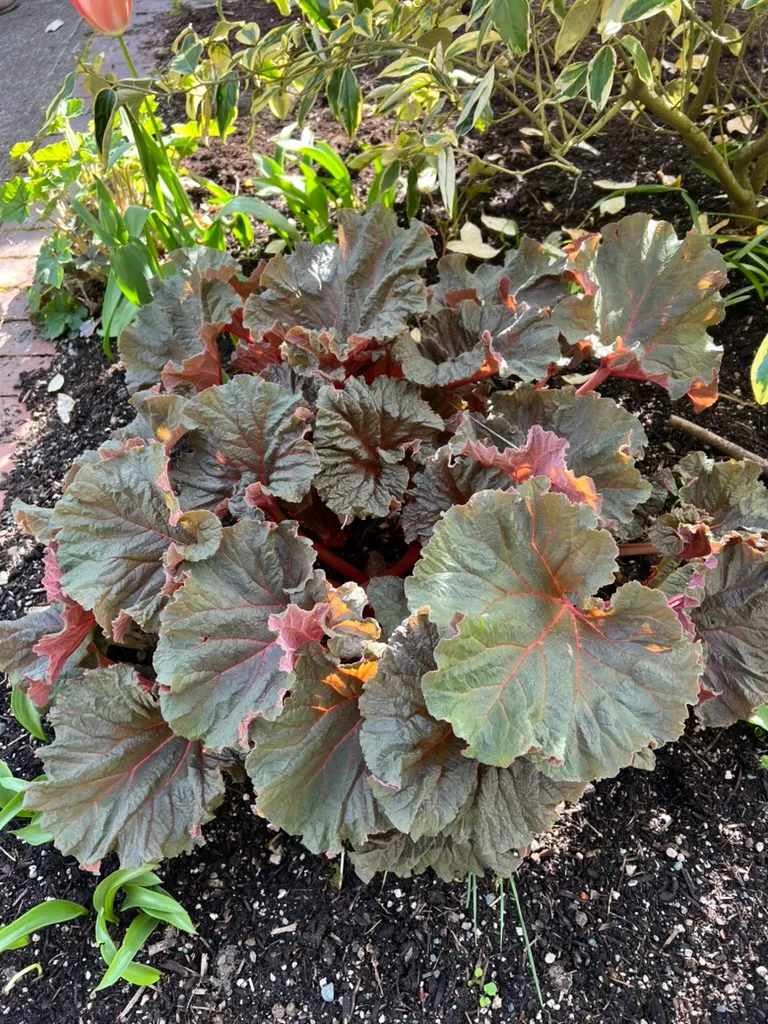
Rheum palmatum 'Atrosanguineum' is ornamental rhubarb, growing 60–84 inches (150–210 cm) tall in flower and 60–72 inches (150–180 cm) wide. Emerging foliage is deep red-purple — the cultivar name 'Atrosanguineum' means 'dark blood-red,' and the spring foliage color is the cultivar feature (the species type has green emerging leaves). The large palmately lobed leaves 24–36 inches (60–90 cm) across mature to dark green with reddish undersides through summer. Deep crimson-red flower plumes (tall panicles) 24–36 inches (60–90 cm) on thick stems in early summer. In the buckwheat family (Polygonaceae). Related to culinary rhubarb (R. × hybridum) but not grown for eating — the leaves of R. palmatum contain higher levels of oxalic acid (toxic to humans and animals — causes kidney damage). The thick fleshy root has been used in traditional Chinese medicine under the name 'da huang' as a purgative for over 2,000 years. Requires consistently moist to wet soil — the large leaf surface area results in high water demand. The foliage wilts in afternoon heat without adequate soil moisture. Native to western and northwestern China (Sichuan, Gansu, Qinghai provinces), growing in mountain meadows and stream margins at 5,000–11,000 feet (1,500–3,300 m). Full sun to partial shade — afternoon shade reduces wilting in warm climates. Deer-resistant. Zones 5–9. Growth rate is fast.
Native Range
Native to western and northwestern China (Sichuan, Gansu, Qinghai provinces), growing in mountain meadows and stream margins at 5,000–11,000 feet (1,500–3,300 m) elevation.Suggested Uses
Grown as a specimen at pond margins, stream banks, and moist borders in zones 5–9. The red-purple spring foliage and the crimson flower plumes are the seasonal features. Requires consistently moist soil and 60–72 inches (150–180 cm) of space. Leaves toxic (oxalic acid). Deer-resistant.How to Identify
Appearance
Size & Dimensions
Height5' - 7'
Width/Spread5' - 6'
Bloom Information
Early summer (June), lasting 2–3 weeks. Deep crimson-red flower plumes 24–36 inches (60–90 cm) on thick stems. The spring red-purple foliage color (before the leaves mature to green) is the earlier seasonal feature.
Detailed Descriptions
Flower Description
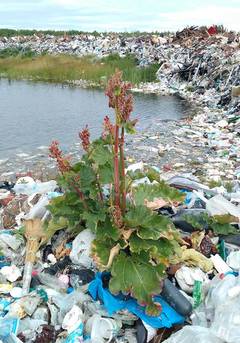
Deep crimson-red, in tall plume-like panicles 24-36 inches (60-90 cm)Foliage Description
Emerging deep red-purple, maturing to dark green with reddish undersides; large, palmately lobed, 24-36 inches (60-90 cm) acrossGrowing Conditions
Sun Requirements
Requires 4-8 hours of direct sunlight daily
• Full Sun: 6+ hours of direct sunlight
• Partial Shade: 3-6 hours of direct sunlight
• Full Shade: Less than 3 hours of direct sunlight
Care & Maintenance
Care Guide
Part sun to full sun (afternoon shade in warm climates). Consistently moist to wet soil — the large leaves wilt without adequate moisture. Space 60–72 inches (150–180 cm). Leaves contain oxalic acid — toxic (not edible). The root is used in traditional Chinese medicine. Deer-resistant. Zones 5–9.Pruning
Remove spent flower stalks at the base after bloom. Cut dead foliage to the ground in late autumn or early spring. No division needed unless the clump is congested.Pruning Schedule
Prune: March & November
fallearly spring