Reynoutria, Genus, ×, Hybrid, bohemica, Species,
- Genus & species
- Hybrid
bohemian knotweed
Hybrid origin; parent species from eastern Asia; naturalized in Europe and North America
Overview
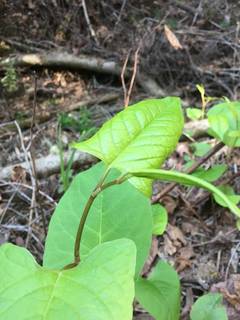
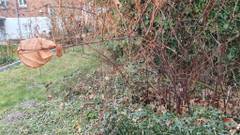
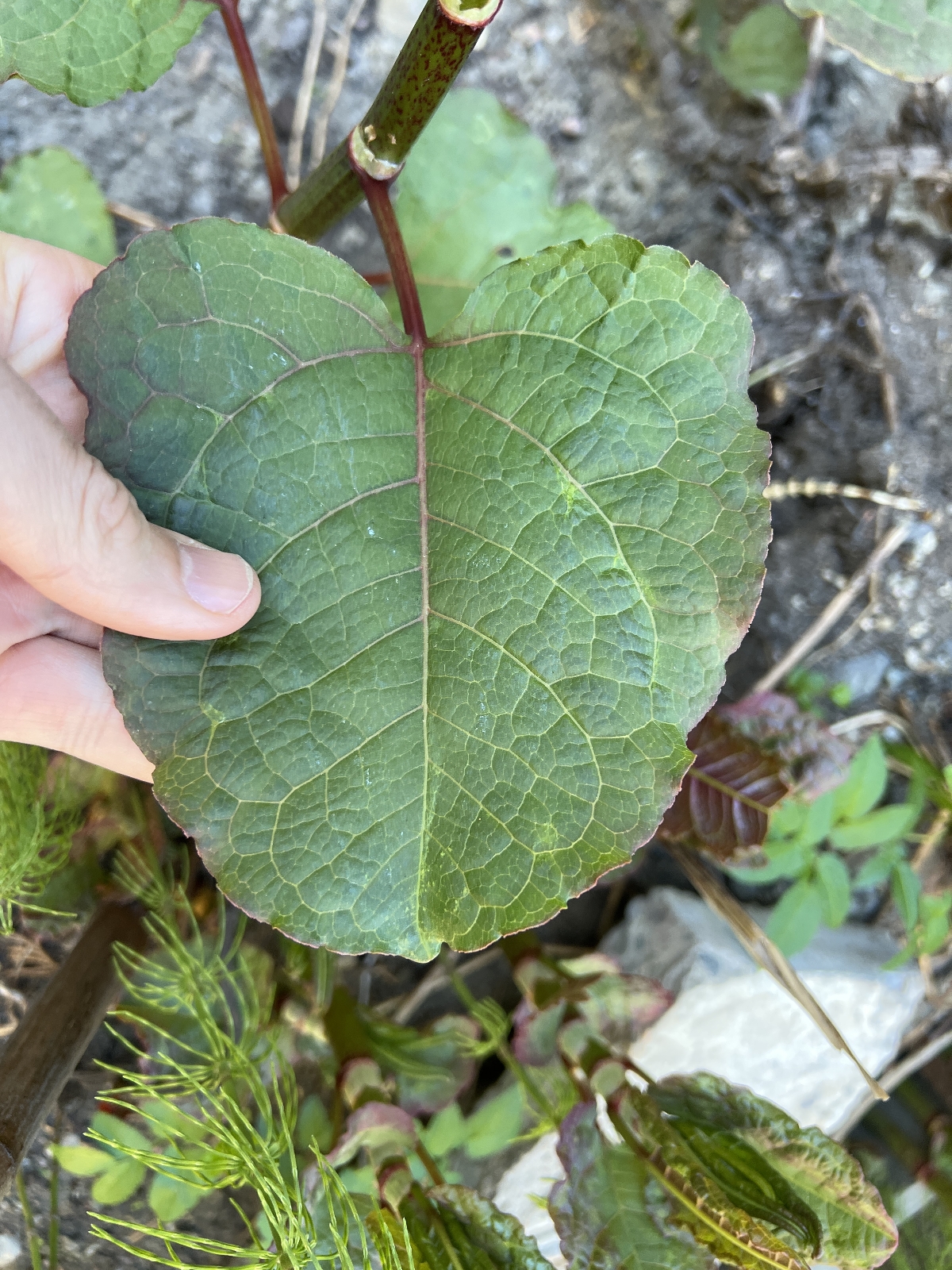
Reynoutria × bohemica is a vigorous herbaceous perennial reaching 7–13 feet (2–4 m) tall in a single season, a hybrid between Japanese knotweed Reynoutria japonica and giant knotweed Reynoutria sachalinensis. Hollow, bamboo-like stems are green flecked with red and arise from a deep, woody rhizome network that can extend many feet from the parent plant. Broad leaves 4–10 inches (10–25 cm) long are intermediate in size and shape between the two parents, with a tapering or slightly heart-shaped base. Sprays of small greenish-white flowers open in branched clusters in late summer. The plant dies back to the ground in winter, leaving tan persistent canes, and resprouts from rhizomes in spring. It spreads almost entirely by rhizome and stem fragments, since most plants are a single clone, and even small fragments root and form new stands. Reynoutria × bohemica is listed as an invasive or controlled weed across the United Kingdom, Europe, and much of North America, and its disposal is regulated as controlled waste in some jurisdictions. The dense stands crowd out other vegetation and can damage pavement and foundations.
Native Range
Reynoutria × bohemica is a hybrid that arose where its two introduced parent species grew together outside their native ranges. Its parents are native to eastern Asia, including Japan, Korea, China, and Sakhalin. The hybrid now occurs across Europe and North America as an aggressive colonizer of riverbanks, roadsides, and waste ground.Suggested Uses
Reynoutria × bohemica has no garden use because of its invasive spread and regulatory status. Related knotweeds were historically planted as ornamental screens and for erosion control, uses now discouraged. The young spring shoots are edible and have been used like rhubarb where the plant already grows.How to Identify
Appearance
Size & Dimensions
Height7' - 13'
Width/Spread6' - 15'
Bloom Information
Flowering occurs in late summer, from about August to September, with branched sprays of tiny greenish-white flowers along the upper stems. The flowers draw bees and other late-season insects. Seed set is variable and often low, so spread is mainly vegetative. Stems turn tan and persist through winter after the plant dies back.
Detailed Descriptions
Foliage Description
greenGrowing Conditions
Sun Requirements
Requires 4-10 hours of direct sunlight daily
• Full Sun: 6+ hours of direct sunlight
• Partial Shade: 3-6 hours of direct sunlight
• Full Shade: Less than 3 hours of direct sunlight
Care & Maintenance
Care Guide
The plant grows in full sun to partial shade on almost any soil across a pH of 4.5–7.5, including poor, disturbed, and riverbank ground. It withstands flooding, drought, and cutting, and resprouts from rhizomes and fragments left in the soil. Because it is invasive, planting is restricted or prohibited in many regions, and established stands are managed through repeated cutting and herbicide treatment over several years. Soil, rhizomes, and cut canes from infested sites are handled as regulated waste in some areas. The plant needs no care to persist and spreads without intervention. Containment relies on barriers and ongoing monitoring rather than ordinary cultivation.Pruning
Repeated cutting of the canes through the season, several times a year over several years, gradually drains the rhizome reserves but rarely clears a stand on its own. Cut stems are not composted or moved off-site, since fragments root readily. Combining cutting with stem-injected or foliar herbicide gives more reliable control.Pruning Schedule
Prune: June–August
summer