Reynoutria, Genus, spp., Multiple species,
- Genus
- Multiple species
rhizomatous knotweeds
Overview
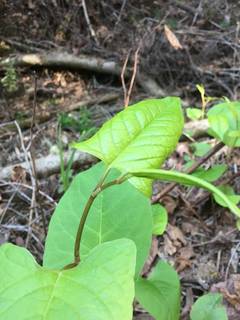
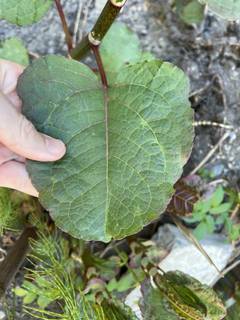
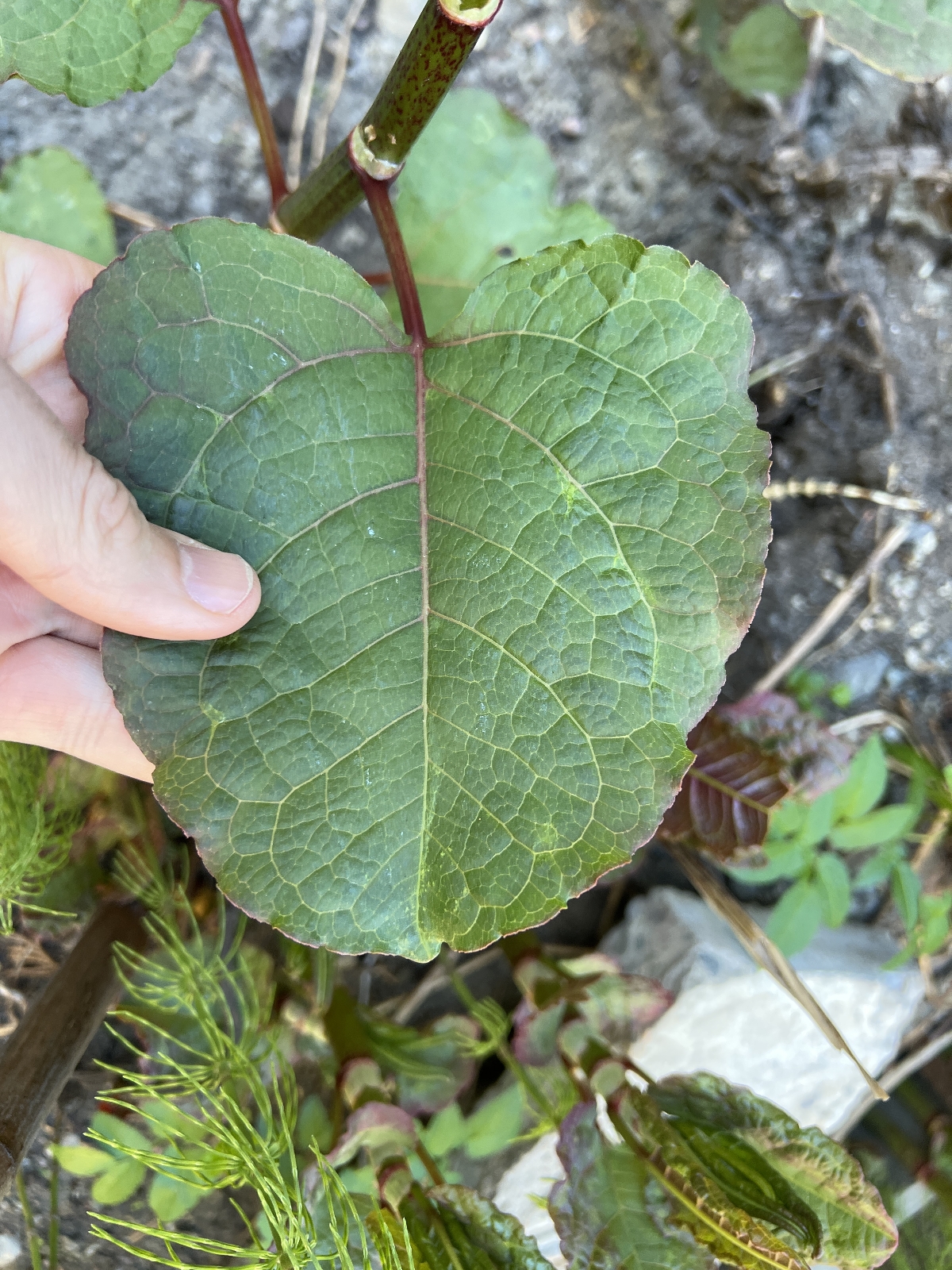
Reynoutria is a genus of rhizomatous herbaceous perennials in the buckwheat family (Polygonaceae), native to eastern Asia and including Japanese knotweed (R. japonica), giant knotweed (R. sachalinensis), and their hybrid R. × bohemica. Plants emerge each spring from thick woody rhizomes and produce hollow, jointed, bamboo-like canes that reach 3 to 13 ft (1 to 4 m) in one season, dying back to ground level after autumn frost. The alternate leaves are oval to broadly triangular with a flat or heart-shaped base, 2 to 16 in (5 to 40 cm) long depending on species, set in a zig-zag pattern along the stems. Cream to greenish-white flowers open in branched sprays from the leaf axils in late summer and early autumn, followed by small winged fruits. The rhizome system extends up to 23 ft (7 m) sideways and 10 ft (3 m) deep, letting the genus build dense single-species stands. Reynoutria spreads mainly by rhizome and stem fragments rather than seed and is listed as an invasive plant across Europe and North America, where it lifts pavement and damages drains and flood defenses. Control takes repeated cutting or herbicide over several seasons, because fragments as small as 0.4 in (1 cm) can regrow.
Native Range
The genus is native to eastern Asia, including Japan, China, Korea, and the Russian Far East, where species grow on volcanic slopes, riverbanks, and disturbed ground. It has naturalized widely across Europe, North America, and New Zealand.Suggested Uses
Reynoutria was grown historically as a screen and for bank stabilization, and the young shoots are eaten as a sour vegetable in parts of its native range. It is now classed as invasive across much of Europe and North America and is rarely planted.How to Identify
Appearance
Size & Dimensions
Height3' - 13'
Width/Spread6' - 15'
Bloom Information
Reynoutria flowers from August to October, producing branched sprays of small cream to greenish-white blooms along the upper stems. R. sachalinensis tends to flower earlier than R. japonica. The flowers are followed by small three-winged fruits, though many naturalized stands set little viable seed.
Detailed Descriptions
Flower Description
cream to greenish-whiteFoliage Description
greenGrowing Conditions
Sun Requirements
Requires 4-12 hours of direct sunlight daily
• Full Sun: 6+ hours of direct sunlight
• Partial Shade: 3-6 hours of direct sunlight
• Full Shade: Less than 3 hours of direct sunlight
Care & Maintenance
Care Guide
Reynoutria grows in full sun to part shade and tolerates a wide range of soils, from sand to clay and pH 4.5 to 7.5, including poor and disturbed ground. It withstands drought, flooding, salt, and temperatures across USDA zones 4 to 9 once the rhizomes are set. Growth is fastest in moist, fertile soil near water, where canes reach their full height. The genus takes no feeding or irrigation and regrows strongly after cutting, mowing, or burning. Because of the rhizome spread, containment by deep root barriers or repeated removal over several seasons is needed wherever it is not wanted.Pruning
Canes are cut to the ground to limit height, but cutting alone drives dense regrowth from the rhizomes rather than killing the plant. Cut material is handled as regulated waste in many regions because discarded fragments root and form new colonies. Repeated cutting through the growing season over several years gradually drains the rhizome reserves.Pruning Schedule
Prune: June–August
summer