Pyrrhopappus, Genus, carolinianus, Species,
- Genus & species
Carolina desert-chicory
SunFull Sun – Part Shade
Overview
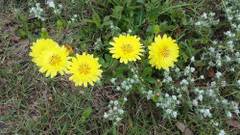
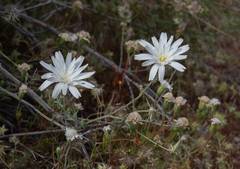
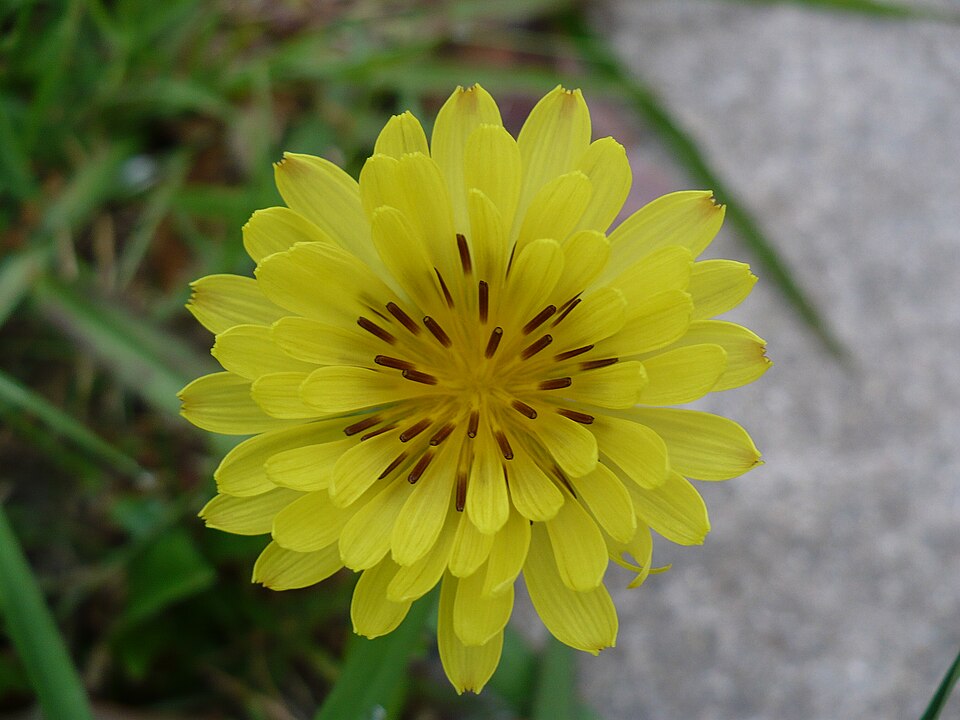
Pyrrhopappus carolinianus is an annual or biennial herb in the family Asteraceae, growing 1-5 feet (30-150 cm) tall on branched, leafy stems that exude milky sap when cut. Lower leaves are lance-shaped and often deeply lobed, 2-8 inches (5-20 cm) long, while upper leaves are smaller and clasp the stem. The flower heads are 1-1.5 inches (2.5-4 cm) across, made entirely of pale yellow ray florets, opening in the morning and closing by afternoon. Five-lobed anther tubes give the center a slightly darker cast. Each head matures into a globe of tan, parachute-tipped seeds like a dandelion. Unlike the low rosette of true dandelions, this plant is tall and leafy-stemmed. It grows in open, disturbed ground including fields, roadsides, prairies, and woodland edges, often in sandy or moist soil. As a short-lived plant it finishes flowering and seeds in one or two seasons. One limitation is its weedy spread from wind-blown seed in cultivated areas.
Native Range
Pyrrhopappus carolinianus is native to the eastern and central United States, from the mid-Atlantic and Midwest south to Texas and Florida. It grows in fields, prairies, open woods, and disturbed roadside ground.Suggested Uses
Pyrrhopappus carolinianus is used in meadow, prairie, and pollinator plantings where its morning flowers draw bees. It suits naturalized and restoration areas on open ground. It is more often a weed of disturbed sites than a planted ornamental.How to Identify
Appearance
Size & Dimensions
Height1' - 5'
Width/Spread1' - 2'
Bloom Information
Flowering runs from late spring through summer, generally April to July, and sometimes into fall. The heads open in the morning and close by midday, with new heads opening over several weeks. Wind-dispersed seed follows within a few weeks of each bloom.
Detailed Descriptions
Foliage Description
greenGrowing Conditions
Sun Requirements
Requires 4-12 hours of direct sunlight daily
• Full Sun: 6+ hours of direct sunlight
• Partial Shade: 3-6 hours of direct sunlight
• Full Shade: Less than 3 hours of direct sunlight
Water & Climate
Water Needs
Drought Tolerance
Drought tolerant when established
Care & Maintenance
Care Guide
Pyrrhopappus carolinianus grows in full sun to light shade on sandy, loamy, or moist soils and tolerates poor, disturbed ground. It germinates with spring rains and needs no supplemental water in regions with summer moisture. The plant self-sows quickly and behaves as a pioneer of open ground. It carries little pest or disease pressure. In gardens it appears mostly in meadow or naturalized plantings rather than tended beds. Plants decline after setting seed.Pruning
No structural pruning is needed. Cutting plants back before the seed heads ripen reduces self-sowing in cultivated areas. Spent plants can be removed once flowering ends.Toxicity
Non-toxicPlanting Guide
Planting Methods & Timing
Planting Method
direct sow
Direct Sow Timing
Spring
Days to Maturity
60–90 days
Plant Spacing
12 inches