Pyrrhopappus, Genus, spp., Multiple species,
- Genus
- Multiple species
Desert chicories
South-central and southeastern North America
Overview
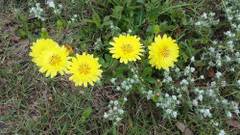
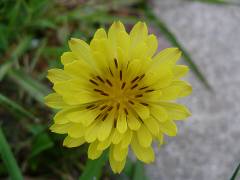
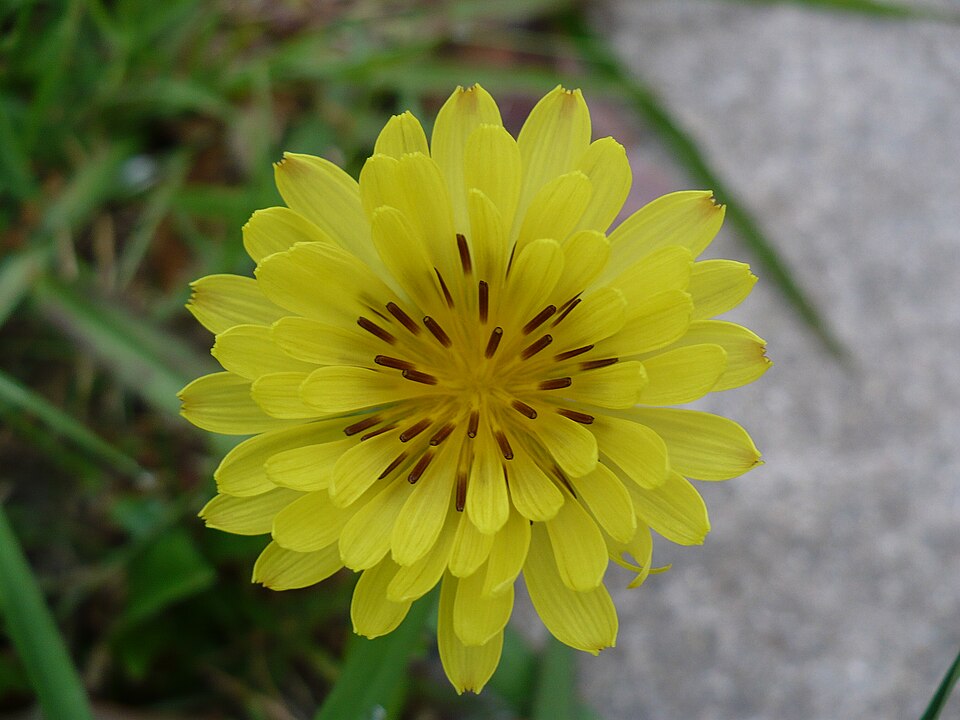
Pyrrhopappus is a small genus of about four to seven species in the daisy family (Asteraceae), called desert-chicories or false dandelions and native to North America. The genus grows across the central and southern United States and into Mexico, on prairies, fields, roadsides, and other open, disturbed ground. Plants are annuals, biennials, or short-lived perennials with milky sap, a basal rosette of toothed or lobed leaves, and branched stems 1 to 3 ft (30 to 90 cm) tall. Each head holds only strap-shaped ray florets and looks much like a dandelion or wild chicory, opening pale to bright yellow in morning sun and closing by afternoon heat. The clearest mark of the genus is the pappus: the tuft of bristles atop each seed is reddish or tawny rather than white, the trait behind the scientific name, which means flame-colored pappus. Heads open from spring into summer and draw small bees and other insects, while finches take the ripe seed. Plants set seed freely and behave as pioneers of bare soil, so they come and go with disturbance rather than holding a fixed place in the garden.
Native Range
The genus is native to North America, centered in the south-central and southeastern United States and reaching into northeastern Mexico. Species follow open prairie, sandy fields, and roadsides.Suggested Uses
Used in meadow, prairie, and pollinator plantings and in restoration of open, sandy ground across the central and southern United States. The yellow morning flowers suit naturalistic and wildflower gardens, sown in drifts. Seed heads feed small finches and sparrows.How to Identify
Appearance
Size & Dimensions
Height1' - 3'
Width/Spread6" - 1'6"
Bloom Information
Detailed Descriptions
Foliage Description
greenGrowing Conditions
Sun Requirements
Requires 6-10 hours of direct sunlight daily
• Full Sun: 6+ hours of direct sunlight
• Partial Shade: 3-6 hours of direct sunlight
• Full Shade: Less than 3 hours of direct sunlight