Pyracantha, Genus,
- Genus
firethorns
Southern Europe and the Mediterranean east through the Himalayas to eastern Asia
Overview
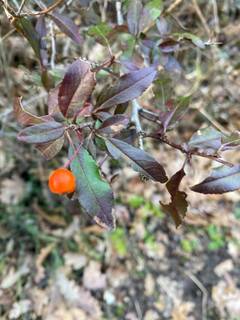
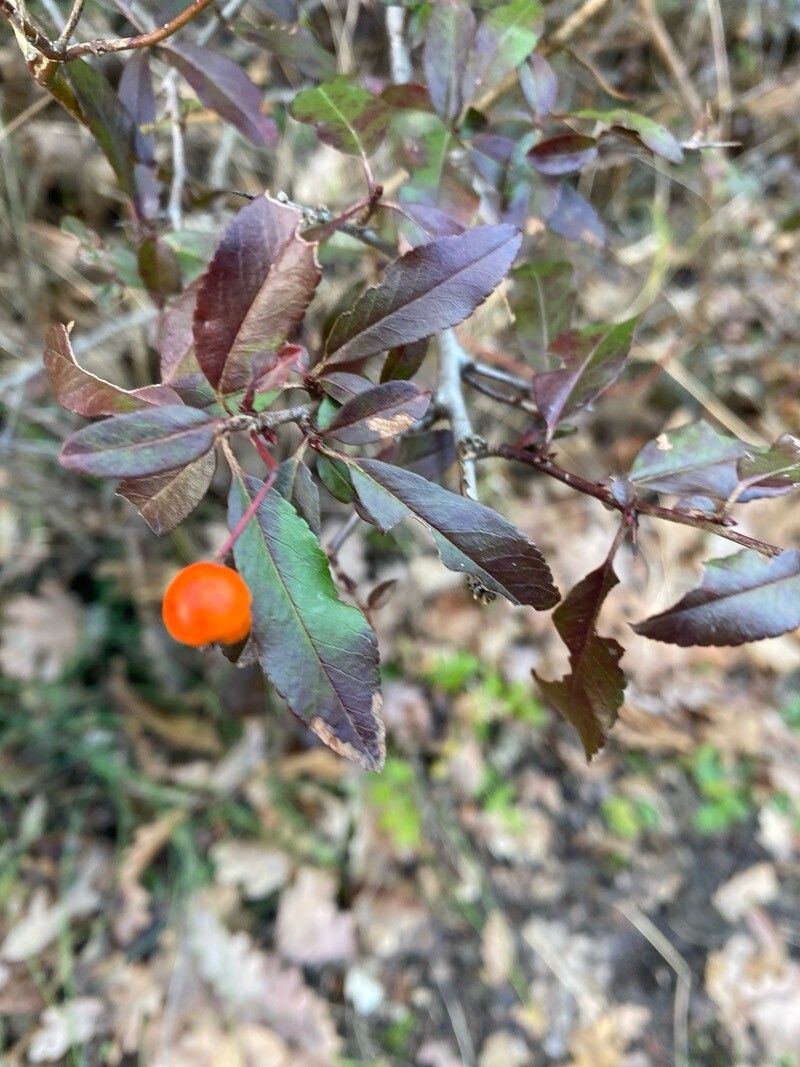
Pyracantha is a genus of about seven species of thorny evergreen shrubs in the rose family (Rosaceae), known as firethorns. Plants form dense, stiff-branched shrubs 6-16 feet (1.8-5 m) tall and wide, armed with sharp woody spines along the stems. The small, glossy, oval leaves are 1-2 inches (2.5-5 cm) long and stay on the plant through winter. In late spring the shrubs carry broad flat clusters of small white five-petaled flowers with a heavy scent. These are followed in autumn by dense bunches of small pome fruits in red, orange, or yellow that persist into winter and draw birds. The genus is native from southern Europe across to southeastern Asia and tolerates poor soil, heat, and drought once established. Plants take hard pruning and are often trained flat against walls as espaliers or grown as dense barrier hedges. Fireblight and scab can disfigure or kill susceptible plants in some regions. The spines make placement near paths a consideration, and the dense growth gives nesting cover for birds.
Native Range
Pyracantha is native to a band stretching from southern Europe and the Mediterranean through the Caucasus and Himalayas to southwestern and eastern Asia, including China. Plants grow in scrub, woodland edges, and rocky slopes, and several species have naturalized beyond their native range.Suggested Uses
Grown as a thorny barrier or security hedge, trained flat against walls and fences as an espalier, and planted as a freestanding shrub for autumn berry color. The dense spiny growth screens boundaries and gives shelter and food for birds. Lower-growing forms are used as bank cover and informal screening.How to Identify
Appearance
Size & Dimensions
Height6' - 16'
Width/Spread6' - 12'
Bloom Information
Firethorns bloom in late spring, when broad clusters of small white flowers cover the previous year's wood. The flowers have a strong scent and are worked heavily by bees and other insects. Pollinated flowers set the berries that color up from late summer and hold through autumn and winter.
Detailed Descriptions
Foliage Description
dark greenGrowing Conditions
Sun Requirements
Requires 6-10 hours of direct sunlight daily
• Full Sun: 6+ hours of direct sunlight
• Partial Shade: 3-6 hours of direct sunlight
• Full Shade: Less than 3 hours of direct sunlight
Care & Maintenance
Care Guide
Grow Pyracantha in full sun to part shade in any well-drained soil with a pH of 5.5-7.5; flowering and fruiting are heaviest in full sun. The plants tolerate heat, wind, poor ground, and drought once established, needing watering mainly in their first seasons. They are hardy in zones 6-9 and need little feeding. Because flowers and berries form on second-year and older wood, hard or late pruning removes the coming crop. Fireblight, scab, and woolly aphids are the main problems, and scab can blacken both leaves and fruit in wet climates. The sharp spines call for placement away from heavy foot traffic.Pruning
Prune after flowering or once the berries show, cutting back the long whippy shoots to shape the plant while keeping the older fruiting wood. Wall-trained plants are tied in and trimmed two or three times through summer to hold them flat. Heavy renewal cuts are made in late winter at the cost of that year's flowers and fruit.Pruning Schedule
Prune: June–July
summer
Container Growing
Suitable for container growing
Minimum container size: 10 gallons