Ptilotus, Genus, exaltatus, Species,
- Genus & species
pink mulla mulla
Overview
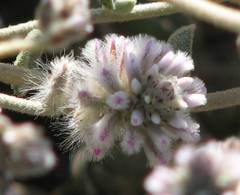
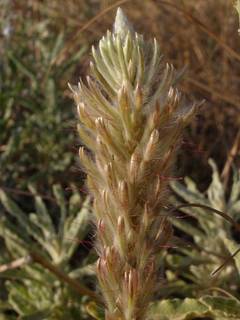
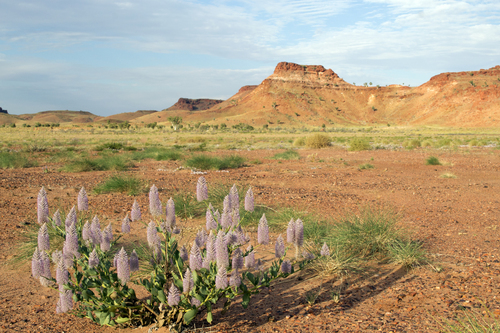
An erect herb reaching 12-48 inches (30-120 cm) tall and 8-16 inches (20-40 cm) wide, growing from a basal rosette of fleshy gray-green leaves. Stem leaves are oblong to lance-shaped, 1-4 inches (2.5-10 cm) long, with wavy margins and a bluish cast. Flowers are packed into dense conical to cylindrical spikes 2-6 inches (5-15 cm) long and 1.5-2.5 inches (4-6 cm) wide, each spike covered in soft silvery hairs and colored pink to purple, fading to silver-gray with age. Flowering occurs after rain, mainly spring through summer. Fruit a small dry utricle holding a single seed. Growth is fast in warm, dry conditions. Foliage and stems collapse in prolonged wet or humid weather, which encourages stem rot.
Native Range
Native to arid and semi-arid inland Australia across Western Australia, the Northern Territory, South Australia, Queensland, and western New South Wales. Grows on sandy plains, red loams, and gravelly soils in open shrubland and grassland, flowering after seasonal rain.Suggested Uses
Planted in dry rockeries, gravel gardens, and containers in hot, sunny positions at 10-16 inch (25-40 cm) spacing. The spikes are cut for fresh and dried floral use. Suited to low-water and arid-climate plantings.How to Identify
Appearance
Size & Dimensions
Height1' - 4'
Width/Spread8" - 1'4"
Colors
Bloom Information
Flowers mainly spring through summer, triggered by rainfall, and can appear at other times after rain in warm regions. Individual spikes hold color for 4-8 weeks, fading from pink to silver-gray. The spikes are cut for fresh and dried floral use. Hot, dry conditions extend the display.
Detailed Descriptions
Flower Description
Pink to purple, fading to silver-grayFoliage Description
Gray-greenGrowing Conditions
Sun Requirements
Requires 6-10 hours of direct sunlight daily
• Full Sun: 6+ hours of direct sunlight
• Partial Shade: 3-6 hours of direct sunlight
• Full Shade: Less than 3 hours of direct sunlight
Care & Maintenance
Care Guide
Water sparingly once established; the plant is adapted to dry conditions and decays in wet or humid soils. Grows in full sun on free-draining sandy or gravelly soils of low fertility. Overwatering and high humidity cause stem and root rot, the main cause of failure in cultivation. Heavy clay and poorly drained ground shorten its life. Few pests occur in dry, open positions. Plants are often grown as annuals outside arid climates.Pruning
Remove spent flower spikes to prolong the flowering period and tidy the rosette. Cut flowering stems for fresh or dried arrangements as they reach full color. Plants need no structural pruning. Trim collapsed stems after wet weather to reduce rot.Pruning Schedule
Prune: March
fall
Container Growing
Suitable for container growing
Minimum container size: 2 gallons