Ptilotus, Genus, spp., Multiple species,
- Genus
- Multiple species
mulla mulla
Overview
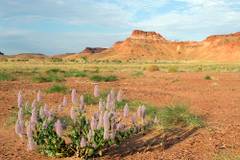
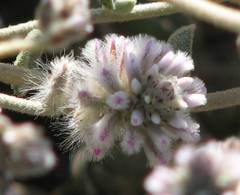
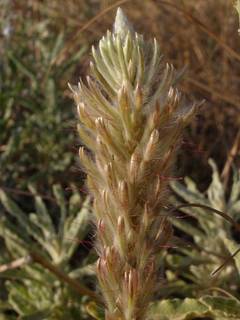
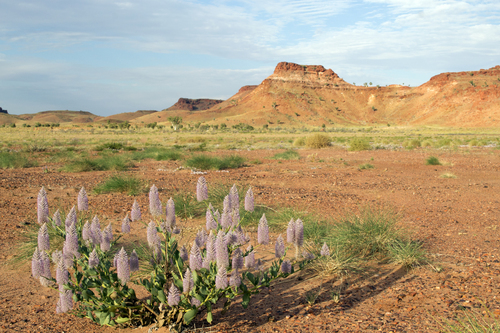
Ptilotus is a large genus of around 120 species of annual and perennial herbs and subshrubs in the amaranth family (Amaranthaceae), almost all native to Australia. Plants range from low, ground-hugging forms a few inches high to upright stems 1-4 feet (0.3-1.2 m) tall, often with fleshy, blue-green leaves. The flowers are tiny but densely packed into cylindrical or cone-shaped spikes 1-6 inches (2.5-15 cm) long, and each flower is clothed in soft hairs, giving the whole spike a feathery, almost woolly look. Spike color spans pink, mauve, purple, silver-grey, green, and yellow, and the colors hold for a long time, making several species useful as fresh and dried cut flowers. P. exaltatus, pink mulla mulla, and P. nobilis are among the species grown ornamentally. The genus is adapted to hot, arid and semi-arid country and requires full sun and sharp drainage; in humid climates or wet, heavy soils the plants rot and are often short-lived. Many species behave as annuals in cultivation.
Native Range
Ptilotus is almost entirely endemic to Australia, where it is widespread across the arid and semi-arid interior as well as seasonally dry parts of the north and west, with a few species reaching nearby parts of Malesia. Plants grow on sandy plains, stony rises, and in open woodland, often in nutrient-poor soils.Suggested Uses
Grown in dry, gravel, native, and container gardens in hot climates, and as a warm-season bedding plant elsewhere. The long-lasting feathery spikes are used as fresh and dried cut flowers. Compact forms suit pots, rockeries, and the front of sunny, well-drained borders.How to Identify
Appearance
Size & Dimensions
Height4" - 4'
Width/Spread8" - 2'
Colors
Foliage Colors
Fall Foliage Colors
Bloom Information
Flowering peaks in spring and into summer, often after rain, with the timing varying across Australia regions. The feathery spikes hold their color for many weeks, longer than many soft flowers. In warm climates some species flower over an extended period.
Detailed Descriptions
Flower Description
pink, purple, silver, green, or yellowFoliage Description
blue-green to grey-greenGrowing Conditions
Sun Requirements
Requires 8-12 hours of direct sunlight daily
• Full Sun: 6+ hours of direct sunlight
• Partial Shade: 3-6 hours of direct sunlight
• Full Shade: Less than 3 hours of direct sunlight
Care & Maintenance
Care Guide
Grow Ptilotus in full sun in very sharply drained, sandy or gritty, low-fertility soil. The genus needs heat and tolerates intense sun and drought, but it is highly prone to rot in humid air, wet soil, or shade. Water sparingly and only when the soil is dry, keeping water off the foliage. Lean soil produces sturdier plants and better flowering, so rich feeding is limited. In cold or wet-winter climates, grow it in containers of free-draining mix or treat it as a warm-season annual. Good airflow reduces fungal problems.Pruning
Ptilotus needs little pruning. Spent flower spikes can be cut back to encourage further bloom and to keep plants tidy. On perennial species, light trimming after flowering maintains a compact shape.Container Growing
Suitable for container growing
Minimum container size: 2 gallons