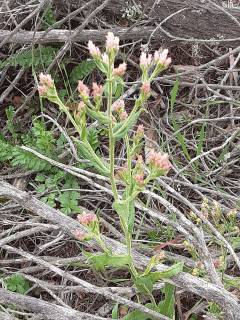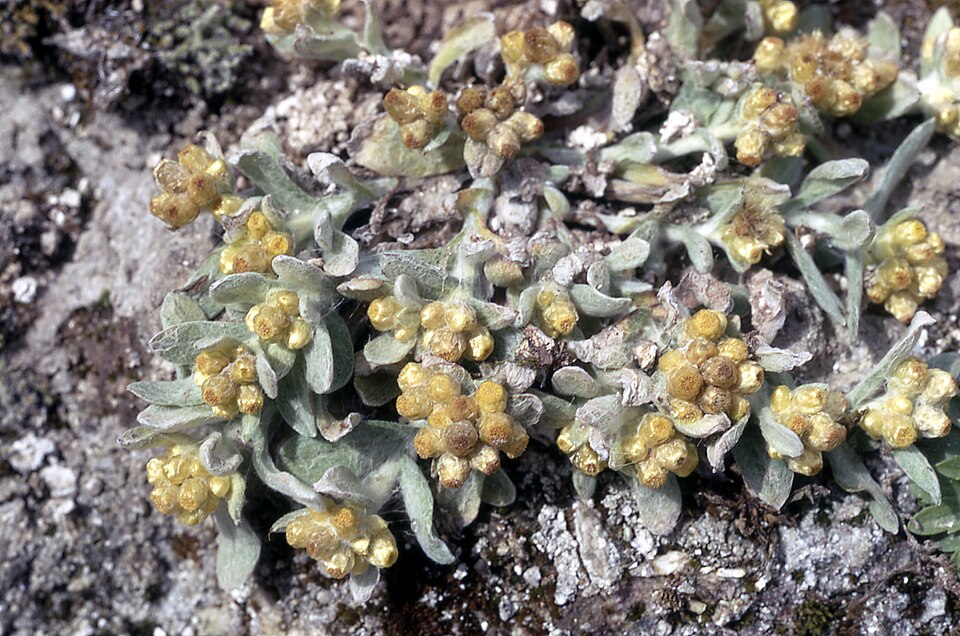
Pseudognaphalium, Genus, stramineum, Species,
- Genus & species
cottonbatting plant
Overview
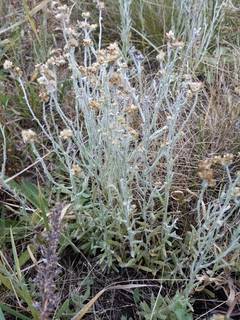
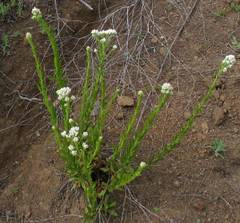
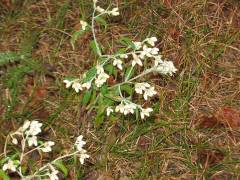
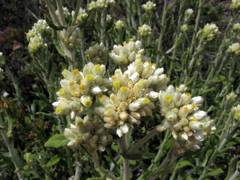
Pseudognaphalium stramineum is an annual or short-lived biennial in the aster family that grows 8–24 inches (20–60 cm) tall and 6–14 inches (15–35 cm) wide. The erect, branching stems and the narrow leaves are covered in dense white woolly hairs, giving the whole plant a gray-felted surface. The leaves are linear to oblong, 1–3 inches (2.5–8 cm) long, stalkless, and clasp the stem at the base. From spring through summer the stems end in crowded, rounded clusters of small flower heads, each head 0.2–0.3 inch (5–7 mm) long and wrapped in papery, straw-colored to whitish bracts that persist as the flowers age. The tiny disc florets are pale yellow and are pollinated by small bees and flies. The plant grows in sandy or gravelly open ground, roadsides, washes, and disturbed fields, germinating with autumn or winter rains and flowering before summer drought. It is a larval host for the American lady butterfly. After seed set the woolly stems dry to a straw color and the annual root dies. It self-sows readily on bare soil but does not persist in dense vegetation or shaded sites.
Native Range
Native to western North America, from British Columbia and the western United States south through California into Mexico. It grows in dry, open, sandy or disturbed ground, including roadsides, washes, and fallow fields.Suggested Uses
Pseudognaphalium stramineum is used in native pollinator plantings, dry meadow restorations, and habitat gardens as a larval host for the American lady butterfly. The persistent papery flower clusters are sometimes cut and dried for arrangements. It suits low-water, sandy sites where taller plants struggle.How to Identify
Appearance
Size & Dimensions
Height8" - 2'
Width/Spread6" - 1'2"
Bloom Information
Flowering runs from spring into summer, generally May to August depending on rainfall and elevation. The papery straw-colored heads hold their shape for several weeks and remain on the dried stems after the florets fade. Seed disperses on wind-borne pappus by late summer.
Detailed Descriptions
Flower Description
straw-yellow to whiteFoliage Description
gray-green, white-woollyGrowing Conditions
Sun Requirements
Requires 6-12 hours of direct sunlight daily
• Full Sun: 6+ hours of direct sunlight
• Partial Shade: 3-6 hours of direct sunlight
• Full Shade: Less than 3 hours of direct sunlight
Water & Climate
Water Needs
Drought Tolerance
Drought tolerant when established
Care & Maintenance
Care Guide
Pseudognaphalium stramineum grows in full sun on dry, well-drained sandy or gravelly soils and tolerates poor, low-fertility ground. It needs no supplemental irrigation and completes its life cycle on seasonal rainfall, germinating after autumn or winter rains. The woolly coating helps it withstand heat and drought. It does not tolerate shade, rich moist soils, or crowding by taller plants. Seed sown on the soil surface in autumn germinates without pretreatment. As an annual, the plant dies after flowering and relies on self-sown seed to return.Pruning
Pseudognaphalium stramineum requires no pruning as a single-season annual. Dried stems can be cut and removed after seed disperses, or left standing through winter. Self-sown seedlings appear on bare soil the following season.Toxicity
Non-toxicPlanting Guide
Planting Methods & Timing
Planting Method
direct sow